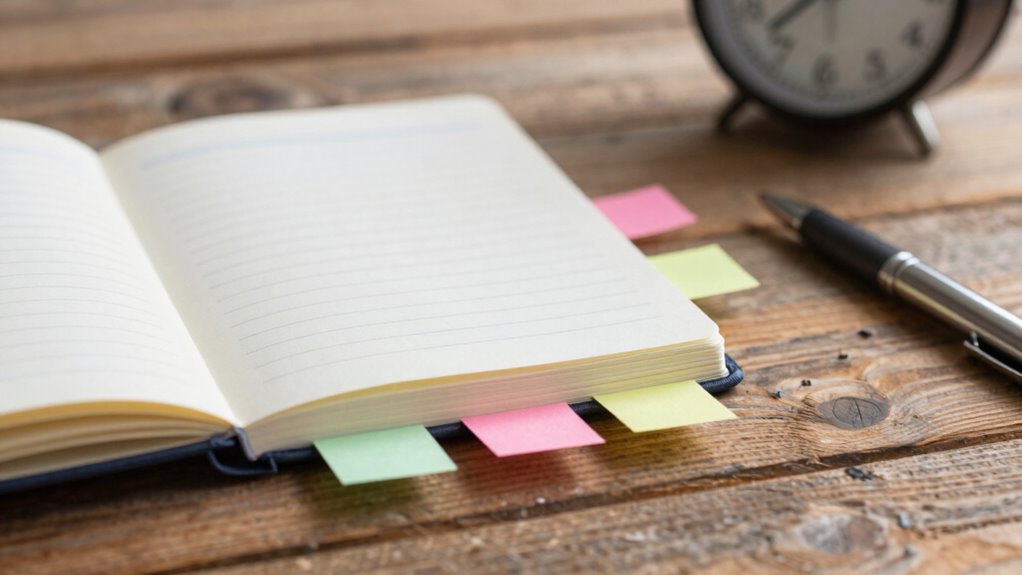

To use friction to build better habits, focus on making bad behaviors harder and positive ones easier. Remove obstacles that prevent you from practicing good habits, like keeping workout clothes nearby or using app blockers for distraction. Add barriers to undesirable actions, such as leaving your phone in another room. Pair habits together and find accountability partners to stay consistent. Keep exploring these strategies to discover more ways friction can help shape your habits effectively.

Get the little things that make your day delivered free — and shop member deals
- Fast, free delivery on millions of items
- Access to Prime Big Deal Days deals on October 6–7
- Prime Video, Amazon Music and more included
Key Takeaways
- Increase physical or mental barriers to make undesirable habits more difficult to perform.
- Reduce accessibility of bad habits by removing triggers or placing obstacles in their path.
- Make desired habits easier to access by organizing tools and resources nearby.
- Use environmental cues and natural settings to make positive habits more appealing.
- Incorporate accountability partners to add social resistance against reverting to old behaviors.

Friction can be a powerful tool for building better habits because it naturally discourages unwanted behaviors while making desired ones easier. When you introduce obstacles or barriers to bad habits, you create a natural deterrent that makes quitting or avoiding those behaviors simpler. At the same time, reducing friction around good habits makes them more appealing and easier to stick with. One effective way to do this is through habit stacking, which involves attaching a new habit to an existing one. For example, if you already brush your teeth every morning, you can stack a habit like writing a quick journal entry or doing a few stretches immediately afterward. This leverages the momentum of an established routine to make the new habit automatic, reducing the mental effort required and increasing your chances of success.
However, to maximize the impact of habit stacking, you should also consider the role of accountability partners. When you involve someone else in your journey, you add an extra layer of resistance for old, unwanted behaviors. Knowing that someone is checking in on your progress or expects you to follow through makes it harder to slip back into old patterns. Your accountability partner can help you stay committed, especially during moments when motivation wanes. They serve as a reminder and a motivator, making it more inconvenient to abandon your new habits. This social resistance works alongside physical and mental barriers, creating an extensive system that supports your growth.
To effectively use friction, start by identifying habits you want to develop and then find ways to make bad habits more difficult. For instance, if you’re trying to reduce screen time, you might leave your phone in another room or set up app blockers during certain hours. Conversely, make your desired habits more accessible by placing necessary tools within easy reach. For example, keep your workout clothes nearby or set out your journal the night before. Incorporating natural elements like outdoor or garden spaces can also make engaging in habits more enjoyable and less monotonous. Additionally, understanding behavioral patterns can help you design more effective friction strategies tailored to your specific habits. Implementing digital tools that provide reminders and tracking features can further support your efforts to stay consistent. Combining habit stacking with the support of accountability partners amplifies your chances of success. Share your goals with someone you trust, and schedule regular check-ins to discuss progress. This approach adds emotional and social resistance to discourage complacency and reinforce your commitments.
Frequently Asked Questions
Can Friction Be Too High and Hinder Habit Formation?
Yes, friction can be too high and hinder habit formation. When habit resistance becomes excessive, it creates a barrier that discourages you from sticking to new behaviors. To foster better habits, aim for a friction balance—making actions easy enough to perform consistently but still meaningful enough to reinforce change. Too much friction slows progress, so reduce unnecessary obstacles to keep yourself motivated and engaged in developing new habits.
How Do I Measure Effective Friction Levels?
Imagine trying to walk through a swamp of molasses—that’s what measuring effective friction levels feels like. To do it, track your habit consistency and note when obstacles cause delays or avoidance. If you find yourself skipping routines or feeling resistant, friction is too high. Reducing unnecessary barriers helps you gauge the sweet spot where friction encourages habit formation without becoming a tedious swamp, making progress smoother and more sustainable.
Does Friction Work Differently for Various Habits?
Yes, friction works differently for various habits because each habit involves unique motivation barriers and adaptation processes. When you introduce friction, it might be more effective for habits that require overcoming significant barriers, like avoiding junk food, but less so for habits that need consistent motivation, like exercising. By understanding how each habit adapts and the barriers involved, you can tailor friction levels to make habit formation more effective.
How Long Does It Take for Friction to Influence Habits?
Like the tortoise’s steady pace in Aesop’s fable, friction influences habits gradually. You’ll see changes in habit consistency within days to weeks, depending on friction intensity. Higher friction creates quicker, stronger barriers, while lower friction takes longer to alter behavior. Be patient, as consistent application of friction, tailored to your habits, shapes your routines over time, making desired behaviors easier and undesired ones harder.
Can Friction Backfire and Cause Resistance?
Friction can backfire if it creates excessive motivation barriers or habit obstacles, making the new behavior seem too difficult or discouraging. When friction is too high, you might feel resistant or overwhelmed, leading to avoidance rather than persistence. To avoid this, apply just enough friction to challenge yourself without causing frustration. Adjust gradually, ensuring the habit remains manageable, so it supports your motivation rather than hindering it.
Conclusion
By intentionally adding friction to your bad habits, you’ll find it easier to break free and build better routines. Sometimes, life’s small coincidences—like losing your phone when you’re trying to skip social media—align perfectly to make change effortless. Remember, the universe often nudges us in unexpected ways. So, trust these little moments, and let friction guide you toward the habits that truly serve you, turning everyday coincidences into catalysts for growth.
Products Worth Considering
As an affiliate, we earn on qualifying purchases.