
TL;DR

Get the little things that make your day delivered free with Prime
- Fast, free delivery on millions of items
- Prime Video, Amazon Music and more included
- Member-only deals all year
This article examines the defining features of high school culture in the 1970s, including fashion, music, social movements, and extracurricular activities. It highlights how these trends reflected broader societal changes and influenced future generations.
High school students in the 1970s embraced a culture marked by distinctive fashion, music, and social activism, reflecting broader societal shifts of the decade. These trends shaped the identities of a generation and left lasting influences on American youth culture. Understanding the importance of culture can help explain how these influences persisted.
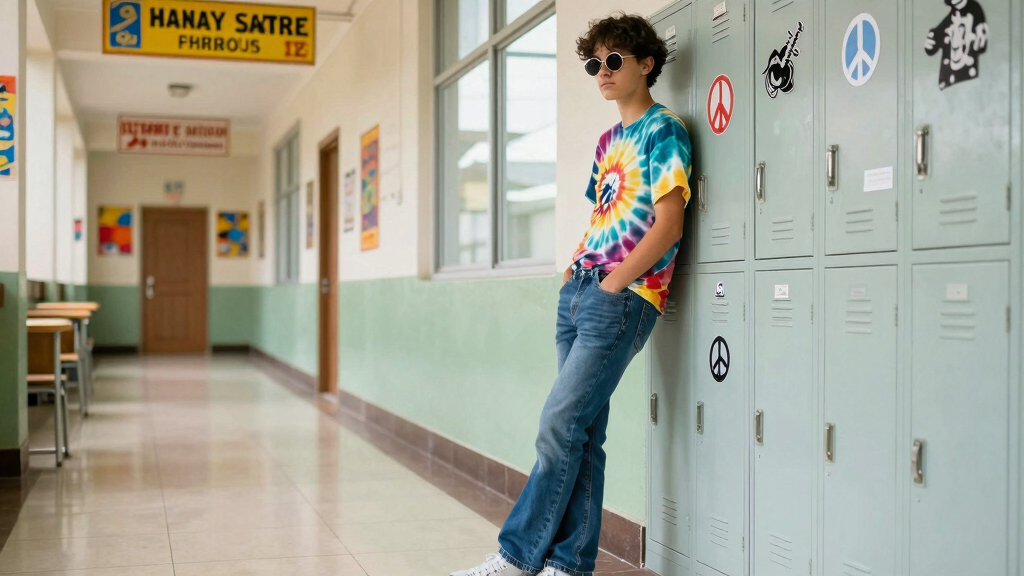
During the 1970s, high school culture was characterized by a diverse array of fashion styles, including bell-bottom jeans, tie-dye shirts, and platform shoes, influenced by the broader countercultural movements of the era. Cultural trends of the 1970s played a significant role in shaping student identities. Music played a central role, with rock, disco, and punk becoming popular among students, shaping social scenes and identity expression. Additionally, the decade saw increased engagement in social and political activism, with students participating in protests related to civil rights, anti-war movements, and environmental issues, reflecting a politically conscious youth demographic. The role of culture in activism remains relevant today. Extracurricular activities like skateboarding, roller skating, and the rise of student-led organizations also defined the social landscape of high schools during this period, fostering a sense of community and rebellion.
Cultural Impact of 1970s High School Trends
The trends of the 1970s in high school culture are significant because they mirror the broader societal shifts of the decade, including increased youth activism, changing gender roles, and the influence of popular music and fashion. These developments contributed to shaping modern youth identity and continue to influence contemporary teen culture. Understanding this era helps contextualize ongoing discussions about youth expression and social engagement.
The 1970s followed a tumultuous period marked by the Vietnam War, civil rights struggles, and economic challenges. High school students were influenced by these societal issues, which fueled activism and a desire for change. The decade also saw the rise of new music genres and fashion trends that challenged traditional norms, fostering a rebellious spirit among youth. Schools became sites of both conformity and rebellion, reflecting the wider cultural tensions of the era. These trends were documented through media, music, and firsthand accounts, providing a vivid picture of teenage life during this transformative decade.
“The 1970s high school scene was a mirror of societal upheaval, with students using fashion and music as forms of resistance and identity.”
— Dr. Lisa Martinez, cultural historian
Unclear Aspects of 1970s High School Cultural Shifts
While broad trends are well-documented, specific regional differences and the full extent of youth activism’s impact on school policies remain less clear. Additionally, the influence of emerging subcultures like punk and new wave on mainstream high school culture is still being studied, with some sources suggesting a more significant impact than others.
Future Research and Reflection on 1970s Youth Culture
Further research will explore how 1970s high school trends influenced subsequent decades, particularly the 1980s and beyond. Historians and cultural analysts aim to better understand the lasting legacy of this era’s youth movements and fashion, as well as their role in shaping modern student activism and identity expression.
Key Questions
How did fashion in the 1970s high schools reflect societal changes?
Fashion like bell-bottoms, tie-dye shirts, and platform shoes symbolized rebellion, individuality, and the influence of countercultural movements, reflecting broader societal shifts towards greater personal freedom and expression.
What role did music play in 1970s high school culture?
Music genres such as rock, disco, and punk were central to social life, shaping identities and fostering a sense of community among students, while also serving as a platform for expressing political and social views.
Were high school protests and activism common during the 1970s?
Yes, many students participated in protests related to civil rights, anti-war efforts, and environmental issues, reflecting the politically engaged youth demographic of the decade.
How did extracurricular activities change during this period?
Activities like skateboarding, roller skating, and student-led groups gained popularity, fostering new forms of social interaction and rebellion within high schools.
What is the lasting influence of 1970s high school trends today?
Many fashion, music, and activism styles from the 1970s continue to influence contemporary youth culture, emphasizing individuality and social engagement.
Source: rss
Products Worth Considering
As an affiliate, we earn on qualifying purchases.