
Self-discipline isn’t just about willpower; it’s a skill you can build through intentional habits and adjusting your environment. You’ll find that designing routines makes sticking to goals easier, and small wins boost your motivation over time. setbacks are part of the process—view them as chances to learn and improve. If you keep exploring, you’ll discover how shaping your habits and surroundings can make self-discipline feel more natural and achievable.
Key Takeaways
- Self-discipline is a skill developed through intentional practice, not an innate trait.
- Building habits and routines reduces mental effort and makes discipline feel more natural.
- Designing your environment with cues supports automatic positive behaviors.
- Success relies on persistence, patience, and learning from setbacks, not just willpower.
- Focus on small, manageable steps and celebrate progress to stay motivated long-term.
Have you ever wondered how some people stick to their goals while others give up easily? The secret often lies in their approach to self-discipline. For beginners, understanding that self-discipline isn’t about willpower alone is a crucial first step. Instead, it’s about developing effective motivational strategies that make sticking to your goals feel less like a chore and more like a natural part of your routine. When you’re just starting, relying solely on sheer motivation can be frustrating because motivation tends to fluctuate. That’s why focusing on building habits becomes essential. Habit formation helps you create automatic behaviors that support your goals without requiring constant effort or decision-making.
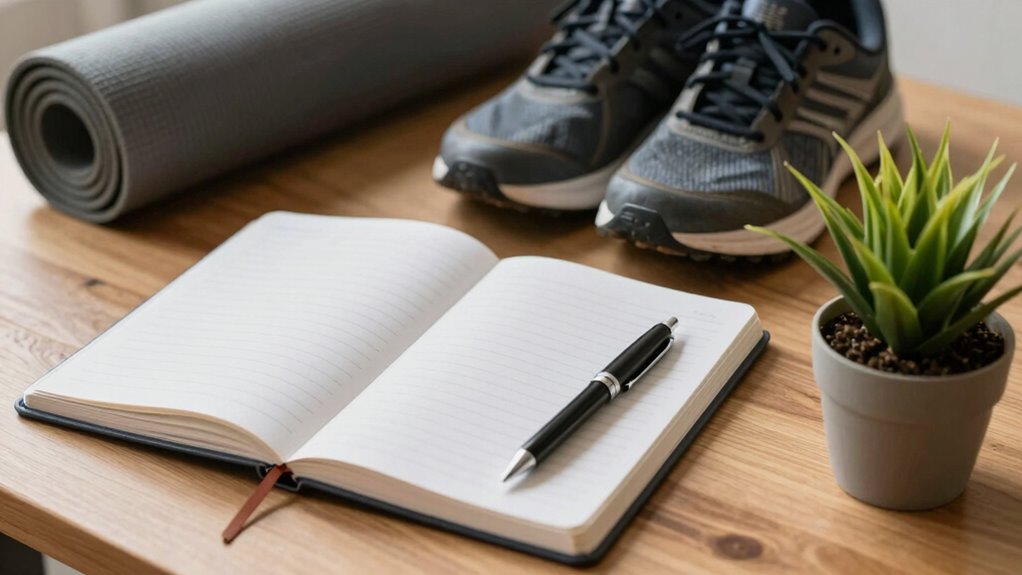
The truth about self-discipline is that it’s less about forcing yourself to do difficult things and more about designing your environment and routines so that success becomes inevitable. For example, if you want to exercise regularly, setting out your workout clothes the night before or scheduling workouts at the same time each day makes it easier to follow through. These small adjustments are powerful because they turn discipline into a series of habits, reducing the mental load and making it feel effortless over time. It’s not about being perfect every day but about consistency. When you embed positive actions into your daily life, you start to build a resilient mindset that can withstand setbacks.
Many beginners believe that self-discipline is a trait you either have or don’t have, but that’s a misconception. It’s a skill you develop through intentional practice. You can strengthen your self-control by setting clear, realistic goals and breaking them into manageable steps. Celebrate small wins along the way—each one reinforces your motivation and boosts your confidence. Over time, these small victories help solidify behaviors into habits, which then require less conscious effort. Additionally, understanding the importance of contrast ratio in visual clarity can help you optimize your environment for better focus and motivation. Recognizing the role of habit formation as a foundational element in building self-discipline underscores the importance of intentional design in your routines. Incorporating environmental cues can further support your habit development by making positive behaviors more accessible and automatic. Interestingly, just as the right horsepower can enhance a dirt bike’s performance, enhancing your self-discipline capacity involves increasing your awareness and intentionality. Developing a consistent routine can also be supported by incorporating water resistance elements, such as reducing distractions, to strengthen your focus. Remember, motivation can be fleeting, but habits stick around even when motivation dips.
Another aspect of the truth about self-discipline is that setbacks are normal. Instead of viewing failure as a sign to quit, see it as part of the learning process. When you encounter obstacles, analyze what caused the slip-up and adjust your strategies accordingly. Developing a growth mindset allows you to see setbacks as opportunities to improve your motivational strategies and refine your habit formation techniques. The journey to self-discipline isn’t about perfection; it’s about persistence, patience, and making incremental changes that become part of who you are. By focusing on these principles, you set yourself up for long-term success rather than short-lived bursts of effort.
Frequently Asked Questions
Can Self-Discipline Be Learned or Is It Innate?
Self-discipline can definitely be learned. It’s not just innate but builds through consistent practice. Using willpower strategies helps you resist temptations, while habit formation makes disciplined actions automatic over time. By setting small, achievable goals and sticking to routines, you strengthen your self-control muscles. With patience and persistence, you’ll notice improvements, proving that self-discipline is something you develop, not something you’re born with.
How Long Does It Take to Develop Self-Discipline?
You can develop self-discipline in as little as three weeks through consistent habit formation and willpower management. It varies depending on your commitment, but regular practice helps reinforce positive behaviors. By focusing on small, achievable goals daily, you strengthen your self-control muscles. Over time, these habits become automatic, making discipline feel more natural. Remember, patience and persistence are key to transforming your self-discipline skills.
Can Self-Discipline Improve With Age?
Yes, self-discipline can improve with age, especially as you refine your habit formation and build mental resilience. Research suggests that as you grow older, you develop better impulse control and emotional regulation, which bolster discipline. Your experiences also teach you how to manage setbacks more effectively, making it easier to stay committed. So, with time, you often become more skilled at maintaining focus and consistency, strengthening your self-discipline.
What Are Common Mistakes Beginners Make?
You often make mistakes like expecting instant results or relying solely on willpower strength. When you jump into habit formation without gradual progress, setbacks seem bigger. Failing to set clear, achievable goals can also derail your efforts. Remember, self-discipline improves through consistent practice and patience. Don’t rely only on willpower—build habits step-by-step, and over time, your discipline will grow stronger naturally.
Is Self-Discipline the Same as Motivation?
Think of motivation as a spark that ignites a fire, but self-discipline is the steady flame that keeps it burning. You might believe willpower myths or discipline myths, but they’re not the same—motivation fades, while discipline sustains. When you rely solely on motivation, you risk losing momentum, but cultivating discipline guarantees progress even when enthusiasm wanes. Self-discipline is your anchor amid fluctuating motivation levels.
Conclusion
Think of self-discipline as a muscle—you build it stronger with each small effort. Remember, progress isn’t about giant leaps but steady steps forward. Every time you resist temptation or stay focused, you’re crafting a sturdy foundation for success. Keep pushing, even on tough days, because each small victory adds up. Before you know it, your self-discipline will be a reliable compass guiding you through life’s challenges, turning your goals into realities.
Products Worth Considering
As an affiliate, we earn on qualifying purchases.