
To stay calm during a stressful day, focus on grounding yourself in the present with quick mindfulness exercises. Take intentional pauses to breathe deeply—inhale through your nose, hold, then exhale slowly—to signal your nervous system to relax. Use your senses to check in with your surroundings, noticing sights, sounds, or textures. These simple techniques can help you regain clarity and emotional balance swiftly. Keep exploring ways to find calm even in chaos.

Get the little things that make your day delivered free with Prime
- Fast, free delivery on millions of items
- Prime Video, Amazon Music and more included
- Member-only deals all year
Key Takeaways
- Practice mindfulness exercises to stay grounded in the present moment and reduce overwhelming thoughts.
- Use deep breathing techniques to activate your relaxation response and lower stress levels.
- Take small, intentional pauses to reset and approach challenges with a clearer, calmer mindset.
- Perform sensory check-ins to anchor yourself and manage emotional reactions effectively.
- Incorporate quick stress-relief methods throughout the day to maintain emotional resilience and focus.
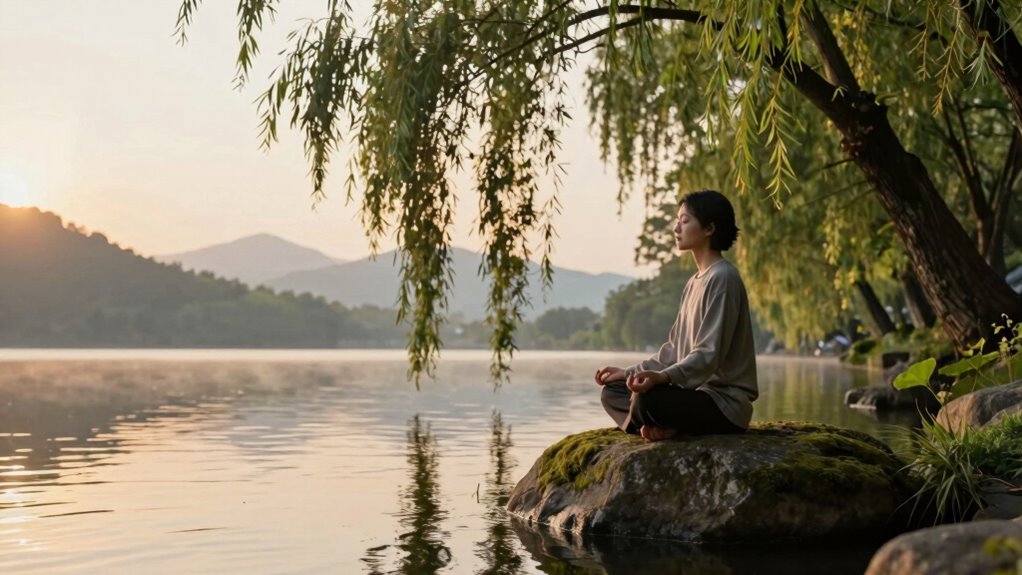
When a stressful day hits, staying calm can feel impossible, but it’s entirely within your control. You might feel overwhelmed by deadlines, unexpected problems, or constant noise, but simple techniques can help you regain your sense of calm quickly. One of the most effective ways to do this is through mindfulness exercises. These exercises encourage you to focus on the present moment, helping you detach from worries about the past or future. You can practice mindfulness by taking a few moments to observe your surroundings—notice the sounds, the textures, or your breathing. This grounding technique pulls your attention away from stressors and centers you in the here and now.
Alongside mindfulness, breathing techniques are powerful tools to reduce tension. When stress levels rise, your breathing often becomes shallow or rapid, which signals your body to remain in a heightened state. By deliberately slowing and deepening your breath, you send a calming message to your nervous system. Try inhaling slowly through your nose for a count of four, holding your breath for a count of four, then exhaling gently through your mouth for another count of four. Repeat this cycle a few times, focusing solely on your breath. This simple exercise can lower your heart rate, decrease anxiety, and restore a sense of control, even in chaotic moments.
In addition to these techniques, it helps to create small, intentional pauses throughout your day. When you feel tension building, pause for a moment—step back from your tasks, take a few deep breaths, and reset your mindset. These mini-breaks serve as mental resets, preventing stress from escalating and allowing you to approach challenges with greater clarity. If you find your mind racing, try a quick mindfulness exercise, like focusing on your five senses: what you see, hear, touch, smell, and taste. This sensory check-in anchors you in the present, making it easier to manage your emotional responses.
Frequently Asked Questions
Can Breathing Exercises Alone Reduce All Stress Types?
Breathing techniques can considerably reduce many types of stress, but they might not eliminate all stress sources alone. Relaxation methods like deep breathing help calm your nervous system, easing anxiety and tension. However, intricate stressors, like work pressure or emotional issues, may require additional strategies such as exercise, mindfulness, or talking to someone. Combining breathing exercises with other relaxation methods offers a more thorough approach to managing stress effectively.
How Long Does It Take to Feel Calmer After Practicing Mindfulness?
You can feel the calming effects of mindfulness within just a few minutes of practice, often noticing increased relaxation in 10-15 minutes. The duration of mindfulness practice influences how quickly you experience these calming effects, with longer sessions typically deepening your sense of calm. Consistent daily practice helps your mind settle faster over time, making it easier to stay calm during stressful moments.
Are There Specific Foods That Help Improve Stress Resilience?
Did you know that incorporating nutrient-rich foods can boost your stress resilience by up to 20%? Eating stress-fighting snacks like nuts, seeds, dark chocolate, and berries helps your body manage stress better. These foods are packed with antioxidants, magnesium, and healthy fats that support brain health and regulate cortisol levels. By including them in your diet, you’ll strengthen your ability to stay calm and composed during tough days.
What Should I Do if Stress Worsens Despite Calming Techniques?
If stress worsens despite calming techniques, you should activate emergency strategies like deep breathing or grounding exercises to regain control. Don’t hesitate to seek support from friends, family, or a mental health professional—they can offer guidance and reassurance. Remember, it’s okay to ask for help when stress becomes overwhelming. Prioritizing your mental health is essential, and reaching out can make a significant difference in managing intense feelings.
How Can I Prevent Stress From Building up in the First Place?
Think of your day as a garden; without proper care, weeds of stress can take over. To prevent this, prioritize work-life balance by setting clear boundaries and scheduling regular breaks. Practice effective time management—plan your day, avoid overcommitment, and delegate tasks. This proactive approach keeps stress at bay, allowing your garden to flourish. Stay mindful of your limits, nurture your well-being, and cultivate a calmer, more balanced life.
Conclusion
Remember, even in the storm of a hectic day, you hold the anchor to your calm. Just like a lighthouse guides ships through turbulent waters, your breath and mindset can steer you back to peace. Stay mindful, breathe deeply, and trust that this storm will pass. When you embrace these tools, you’re not just surviving the chaos—you’re steering your way through it with grace. Keep your calm, and let your inner strength shine through.
Products Worth Considering
As an affiliate, we earn on qualifying purchases.