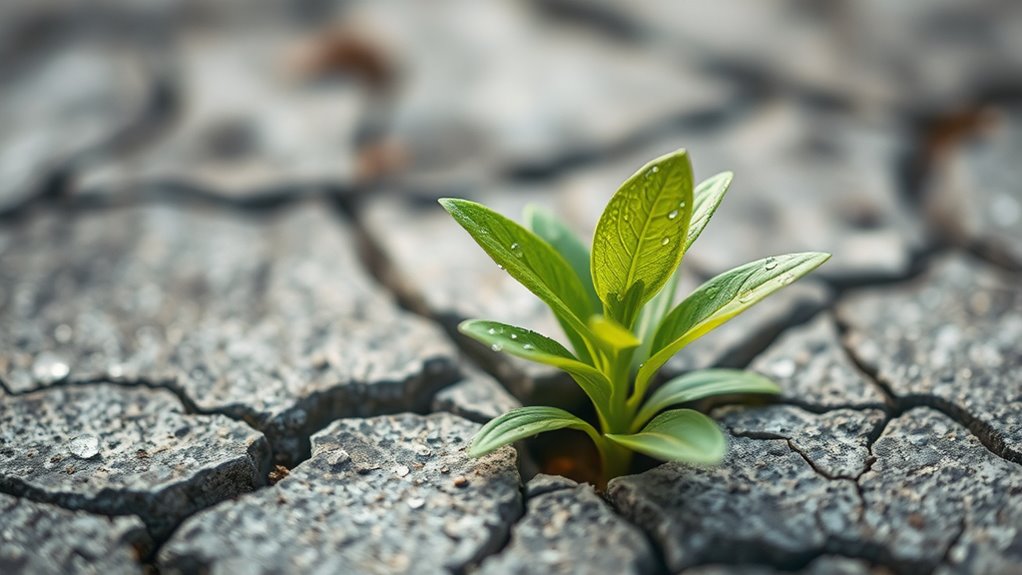

To bounce back quickly, focus on small, intentional actions daily that strengthen your resilience muscles. Simple practices like taking deep breaths, pausing before reacting, or setting boundaries can help manage stress and emotional setbacks. These tiny shifts build your ability to stay calm, respond flexibly, and recover faster from challenges. If you keep applying micro-resilience techniques, you’ll find setbacks less overwhelming and your confidence growing over time. Discover how these small steps can make a big difference.
Key Takeaways
- Practice small, intentional actions like deep breathing or pausing to build emotional agility and reduce reactivity.
- Incorporate daily micro-habits such as gratitude or setting boundaries to strengthen resilience muscles over time.
- Use quick stress management techniques, like stepping away or reframing, to maintain perspective and avoid overwhelm.
- Recognize and accept emotions without judgment, enabling constructive responses and faster recovery from setbacks.
- Consistently applying micro-resilience strategies increases confidence and enables quicker bouncing back from challenges.
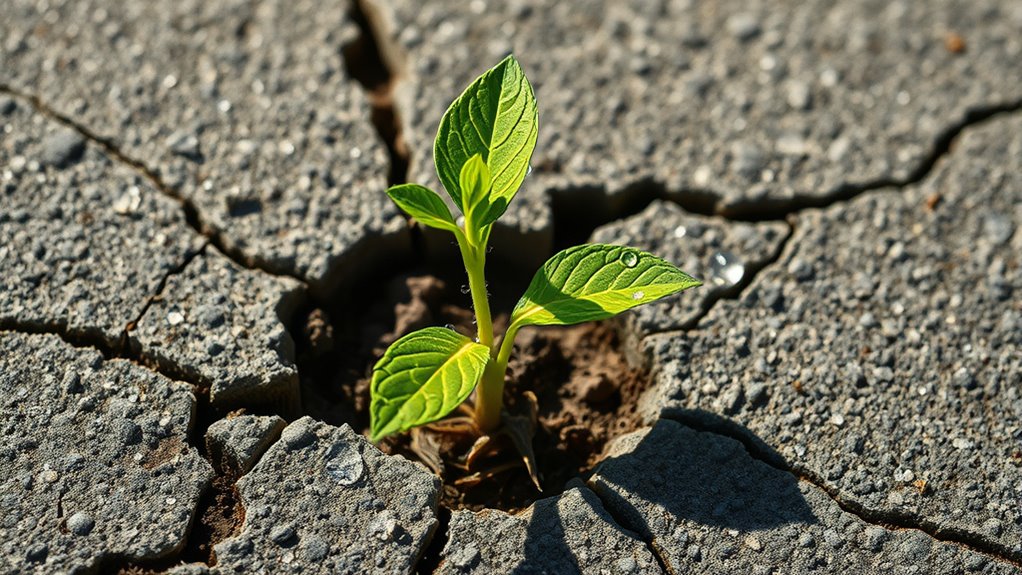
Have you ever wondered how small, everyday actions can build your ability to bounce back from setbacks? It’s all about micro-resilience—those tiny, intentional steps you take consistently that strengthen your mental and emotional muscles. When you master these small shifts, you become better equipped to handle stress management and develop emotional agility, making setbacks feel less overwhelming and more manageable. The key lies in recognizing that resilience isn’t just a grand, overnight achievement; it’s built through everyday choices that reinforce your capacity to recover quickly.
Stress management plays a *essential* role here. When stress hits, your natural reaction might be to feel overwhelmed or reactive. But micro-resilience involves pausing, taking a breath, and choosing a small, constructive action instead. For instance, if you’re faced with a difficult deadline, instead of spiraling into panic, you might take a few deep breaths or briefly step away from your work to clear your mind. These tiny acts of self-regulation help you maintain perspective and prevent stress from spiraling out of control. Over time, these moments add up, strengthening your ability to stay calm under pressure and reducing the emotional toll of daily challenges.
Pausing and deep breaths help maintain perspective and build resilience against daily stressors.
Emotional agility is another *crucial* element of micro-resilience. It’s about being flexible with your feelings and thoughts, rather than getting stuck or overwhelmed. Every day presents opportunities to practice this skill. When you encounter criticism or disappointment, instead of reacting impulsively or suppressing your emotions, you acknowledge what you’re feeling without judgment. Then, you choose a constructive response—perhaps reframing the situation or focusing on what you can control. Small acts like journaling your feelings, practicing mindfulness, or simply naming your emotions help you develop this agility. Over time, you learn to navigate your emotional landscape more skillfully, bouncing back faster from setbacks and maintaining a balanced outlook.
The beauty of micro-resilience is that it’s accessible and manageable. You don’t need to overhaul your entire routine or wait for a major breakthrough. Instead, focus on consistent, small actions—like taking a moment of gratitude, practicing quick mindfulness exercises, or setting clear boundaries to protect your energy. These tiny but deliberate steps reinforce your resilience muscle daily. Incorporating awareness of mindfulness techniques can further enhance your ability to stay centered during stressful moments. As you do so, you’ll notice that setbacks don’t shake you as much, and your ability to recover swiftly becomes second nature. Ultimately, micro-resilience empowers you to face life’s inevitable difficulties with confidence, knowing that your small, intentional actions are steadily building a stronger, more resilient you.
Frequently Asked Questions
How Can Micro-Resilience Be Measured Effectively?
You can measure micro-resilience effectively by evaluating your emotional agility and stress tolerance through self-reflection and feedback. Track how quickly you adapt to setbacks, manage emotions, and recover from stressors. Use tools like resilience questionnaires or journaling to monitor progress over time. Regularly evaluating these areas helps you identify strengths and growth opportunities, enabling you to enhance your ability to bounce back quickly and maintain emotional balance during challenges.
What Are Common Barriers to Developing Micro-Resilience?
Common barriers to developing micro-resilience include difficulty with stress management and emotional agility. When stress feels overwhelming, you might struggle to adapt quickly or stay calm under pressure. Emotional rigidity can prevent you from bouncing back, making setbacks feel larger than they are. Without practicing skills like mindfulness or self-awareness, you may find it hard to build resilience daily. Recognizing these barriers helps you focus on strengthening your emotional agility and managing stress better.
Can Micro-Resilience Training Be Incorporated Into Workplaces?
Yes, micro-resilience training can be incorporated into workplaces to boost well-being and employee adaptability. By introducing brief, targeted techniques during daily routines, you can help staff quickly recover from setbacks and stay resilient. Implementing interactive sessions, reminders, and supportive strategies fosters a resilient workforce. This proactive approach enhances overall workplace wellness, encourages adaptability, and equips you to handle challenges more confidently and competently, promoting a healthier, happier work environment.
How Does Micro-Resilience Differ From Traditional Resilience?
Micro-resilience differs from traditional resilience by focusing on quick, daily emotional agility and stress management techniques. You actively develop small, manageable habits that help you bounce back faster from setbacks, rather than relying solely on long-term resilience strategies. This approach encourages you to stay adaptable and focused in real-time, fostering a mindset that enables you to handle stress more effectively and recover swiftly from challenges, improving overall well-being.
Are There Specific Activities That Boost Micro-Resilience Quickly?
Think of micro-resilience activities as your personal David and Goliath moment. You can boost it quickly with simple mindfulness practices like deep breathing or grounding exercises, which help manage stress effectively. Taking a brief walk, practicing gratitude, or doing quick stretches also strengthen your resilience muscles. These small, intentional actions allow you to bounce back faster, turning everyday challenges into opportunities for growth and renewed strength.
Conclusion
Every time you face a setback, you have the power to bounce back quickly. Every challenge is an opportunity to build strength, every mistake a chance to learn, and every difficulty a moment to grow. Embrace your micro-resilience, and you’ll find yourself not just recovering but thriving. Remember, it’s in your ability to recover swiftly that your true resilience lies, shaping a stronger, more resilient you—ready to face whatever comes next with confidence.