
TL;DR
Get ready for Prime Big Deal Days — try Prime free
Exclusive member deals on October 6–7, plus fast free delivery. Cancel anytime.
Start your free trialAs an affiliate, we earn on qualifying purchases.
Ergonomic backpacks for students distribute weight effectively, supporting posture and reducing strain. Look for adjustable straps, contoured back panels, and lightweight materials to make a healthy choice.
Ever carried a backpack that felt like a brick on your shoulders? It’s not just uncomfortable—it can lead to serious back issues over time. Your choice of backpack isn’t just about style; it’s about health. A well-designed ergonomic backpack can change everything, easing strain and helping students stay comfortable during long days.
In this guide, you’ll learn what makes a backpack truly ergonomic, recent innovations that are reshaping the market, and how to pick the perfect fit for your child’s needs. No fluff, just straightforward advice to keep your student moving comfortably.
Prioritize adjustable straps and contoured back panels for proper fit and support.
Keep backpack weight below 10–15% of your child’s body weight to prevent back issues.
Choose lightweight, durable materials that last and reduce strain.
Explore innovative features like support straps, ventilation, and tech integrations for added comfort.
Measure and test backpacks in-store to ensure a perfect fit before buying.
How to Spot a Backpack That Won’t Hurt Their Back
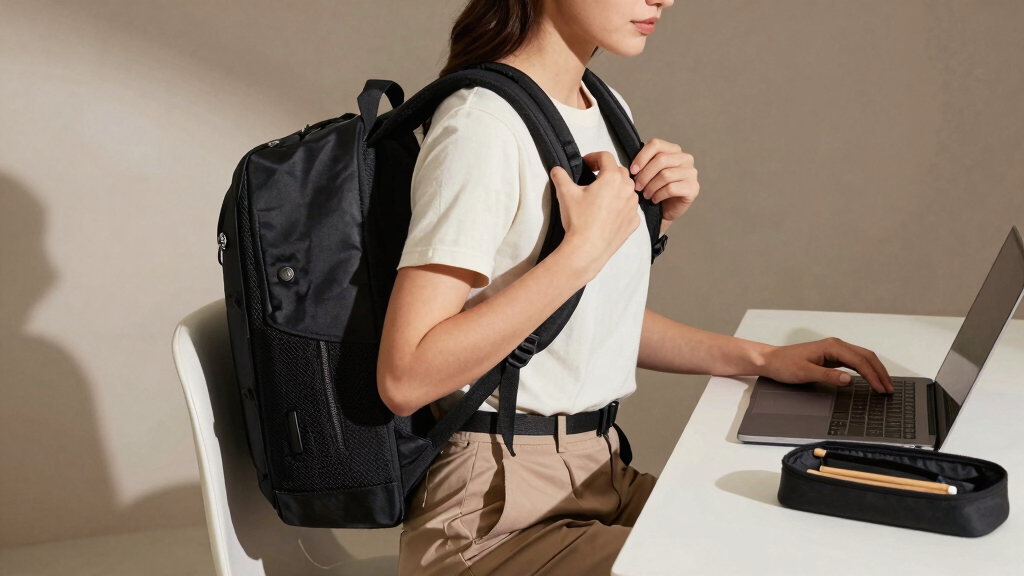
Want a backpack that truly supports your child’s spine? Focus on design and fit first. Look for adjustable straps that let you customize the fit so the weight sits evenly on shoulders and hips. Contoured back panels that follow the natural curve of the spine make a big difference—think of it as a gentle hug for the back.
Imagine a student with a 20-liter pack, packed with books and a laptop. If the straps are loose or the back panel is flat, the weight shifts and strains muscles. But a backpack with padded straps, a supportive back, and proper weight distribution feels like carrying a gentle breeze instead of a heavy load.
Here are key features to check:
- Adjustable shoulder straps
- Contoured, padded back panels
- Chest or waist straps for stabilization
- Lightweight yet durable materials
Why does this matter? Proper design ensures the load is distributed evenly, reducing pressure points and preventing muscle fatigue. When weight is misaligned, it can cause uneven strain, leading to discomfort or long-term posture issues. The tradeoff is that some highly supportive backpacks might be slightly heavier or more expensive, but the health benefits outweigh these concerns.
The Top 5 Features That Make a Backpack Ergonomic
Not all backpacks are created equal. Some pack a punch in ergonomic support. Here are the five features that truly matter:
- Adjustable straps — To fine-tune fit for different body sizes and loads. Proper adjustment prevents slumping or over-tightening, which can cause discomfort or restrict movement.
- Contoured back panels — Molded or padded to follow the spine’s natural curve, reducing pressure points and ensuring even weight distribution. This feature helps prevent localized soreness and supports healthy posture over time.
- Lightweight materials — Less weight in the pack means less strain on tiny backs. Heavy backpacks can negate ergonomic benefits by adding unnecessary weight, so choosing lighter fabrics can be a crucial tradeoff between durability and comfort.
- Support straps — Chest or waist straps help distribute the load across larger muscle groups, reducing the burden on the shoulders and back. This can prevent fatigue and improve stability during movement.
- Breathable padding — Keeps back cool and prevents sweating during long days, which is important for comfort and skin health. Well-ventilated padding also reduces the risk of chafing and discomfort.
For example, a backpack with a gel-infused back panel and adjustable load lifters can drastically reduce back fatigue—making a noticeable difference after a full school day. The tradeoff might be increased cost or weight, but the ergonomic benefits can significantly improve daily comfort and reduce long-term health risks.
Comparing Top Ergonomic Backpack Brands
| Brand | Key Features | Price Range | Best For |
|---|---|---|---|
| ErgoKid | Memory foam back panel, adjustable straps, reflective details | $50–$80 | Elementary students needing lightweight support |
| BackEase | Gel padding, lumbar support, multi-compartment | $70–$120 | High school students with lots of supplies |
| EcoPack | Recycled fabrics, ergonomic design, hydration pocket | $60–$100 | Environmentally conscious students |
| TechPack | USB charging port, RFID-blocking pocket, ventilated back | $80–$150 | Students who tech and safety features matter most |
Choosing between these depends on your child’s needs—size, style, and budget. The key is matching features with daily routines. While some brands prioritize tech integrations, others focus on maximum support, so consider what tradeoffs are acceptable for your child’s specific activities and comfort priorities.
How to Pick the Perfect Ergonomic Backpack in 3 Steps
Picking a backpack isn’t about finding the coolest design. It’s about fit, comfort, and support. Here’s a quick 3-step guide:
- Measure your child’s torso — from neck to hips to ensure the back panel matches. An ill-fitting back panel can cause pressure points or slippage, leading to discomfort and improper weight distribution.
- Test adjustable straps — make sure they slide easily and can be customized for a snug fit. Proper adjustment ensures the load is centered and stable, reducing the risk of slumping or shifting during movement.
- Check support features — look for padded back panels, stabilizing straps, and lightweight construction. These elements work together to optimize comfort and minimize strain, especially during long wear.
Imagine your kid trying on a backpack in the store. If it feels heavy, uneven, or causes discomfort, it’s a sign it’s not the right fit. The right backpack should feel almost like it’s part of them—supportive without pinching or slipping. Prioritizing fit reduces the need for adjustments later and helps prevent long-term posture issues.
Smart, Stylish, and Supportive: The Future of Student Backpacks
The latest backpacks blend technology, style, and ergonomics seamlessly. Smart backpacks with built-in USB ports and anti-theft features are gaining popularity. Eco-friendly materials are a hit among environmentally conscious families. And design innovations like modular compartments give students the freedom to organize—making daily routines smoother.
For example, a high schooler can charge their phone on the go via a built-in port while keeping their valuables secure in a hidden pocket. These advancements aren’t just trendy—they support health and safety, with some models even tracking posture or activity levels.
As these trends grow, expect backpacks to become even smarter—integrating more tech and customization options that fit each student’s lifestyle.
How Much Should a Student Carry? Setting Safe Limits
Carrying too much weight is a common mistake. Experts recommend a backpack should stay below 10–15% of your child’s body weight. For a 100-pound student, that’s roughly 10–15 pounds. Exceeding this can cause back pain, poor posture, and long-term damage.
Imagine a middle schooler lugging a backpack packed with heavy textbooks, snacks, and a laptop. If it tips over 15 pounds, it’s likely too much. Instead, help them pack only what’s necessary—organized in compartments to avoid unnecessary weight. Overloading not only causes immediate discomfort but can also lead to chronic issues like spinal misalignment or muscular imbalance if consistently carried for long periods.
Pro tip: Use a scale to weigh the packed bag and adjust accordingly. This simple step can save years of back trouble and foster good packing habits early on.
Your Top Questions About Ergonomic Student Backpacks, Answered
- How do I pick the right size? Measure your child’s torso length and match it to the backpack’s back panel. Comfort and support depend on proper size; an ill-fitting pack can cause uneven weight distribution, leading to discomfort and potential postural issues over time.
- Are they really better than regular backpacks? Yes! Ergonomic designs are specifically engineered to reduce strain, promote healthy posture, and prevent back pain—benefits that regular backpacks often lack due to their generic fit and support features.
- What features are most important? Adjustable straps, contoured back panel, lightweight materials, and support straps top the list because they directly influence comfort, load distribution, and long-term health.
- How much weight should they carry? Keep it under 10–15% of their body weight to avoid strain, and regularly check the load to ensure it stays within safe limits.
- Are ergonomic backpacks expensive? They can be slightly pricier but often last longer and provide better support. Think of it as an investment in your child’s health and comfort, potentially saving on future medical costs related to back issues.
Conclusion
The right ergonomic backpack isn’t just a style choice; it’s an investment in your child’s health. Think support, adjustability, and lightweight design. When in doubt, prioritize fit and comfort—your child’s back will thank you.
Imagine a school day where your kid carries a backpack that feels like a gentle hug, not a heavy burden. That’s the power of choosing support over style alone. Your move: pick with care and watch their posture and confidence improve.
Products Worth Considering
ergonomic student backpack with adjustable straps
As an affiliate, we earn on qualifying purchases.
As an affiliate, we earn on qualifying purchases.