

For a clear starting point, I rank Mindset: Updated Edition as the best overall book on mindset for its focused explanation of how beliefs about ability shape learning and persistence. Atomic Habits is a standout for readers who want practical behavior change, while The Daily Stoic offers a brief daily format for reflection and resilience. The main tradeoff is whether you want a foundational framework, hands-on exercises, or short prompts you can revisit regularly. Some books focus on growth and achievement; others address overthinking, emotional responses, or the habits that put ideas into action. Read on for the full breakdown, ranking logic, and guidance on choosing a book that fits your needs.

Get the little things that make your day delivered free with Prime
- Fast, free delivery on millions of items
- Prime Video, Amazon Music and more included
- Member-only deals all year
Key Takeaways
- Mindset: Updated Edition leads because it centers the discussion on growth mindset, giving readers a clear framework rather than a broad collection of self-help themes.
- Atomic Habits is the strongest match for turning intentions into repeatable actions; it focuses on systems and behavior more than beliefs alone.
- The two overthinking titles, Stop Overthinking and Stop Letting Everything Affect You, target related concerns but offer different framing: practical techniques versus emotional boundaries and self-sabotage.
- The Daily Stoic stands apart through its 366-entry format, which favors brief ongoing reflection over a single continuous argument.
- The list spans several meanings of mindset, from growth and achievement to self-awareness, acceptance, and habit change, so choosing by your current challenge matters more than choosing by title alone.
| Stop Letting Everything Affect You: How to Break Free from Overthinking, Emotional Chaos, and Self-Sabotage |  | Best for Emotional Reactivity | Title: Stop Letting Everything Affect You: How to Break Free from Overthinking, Emotional Chaos, and Self-Sabotage | ASIN: B0FJP3TFG3 | Subject: Mindset and personal development | VIEW ON AMAZON | See Our Full Breakdown |
| The Book on Mindset |  | Best for a Broad Mindset Introduction | Title: The Book on Mindset | ASIN: B0H3DDGL5H | Subject: Mindset | VIEW ON AMAZON | See Our Full Breakdown |
| Mindset: Updated Edition — Changing the Way You Think to Fulfil Your Potential |  | Best Updated Edition | Title: Mindset: Updated Edition — Changing the Way You Think to Fulfil Your Potential | ASIN: 147213995X | Edition: Updated Edition | VIEW ON AMAZON | See Our Full Breakdown |
| Mindset: The New Psychology of Success |  | Best for Growth and Achievement | Title: Mindset: The New Psychology of Success | ASIN: 0345472322 | Format: Book | VIEW ON AMAZON | See Our Full Breakdown |
| The Magic of Mindful Self-Awareness: How to Stop Overthinking, Clear Your Mind, and Be Happy (Almost) All the Time | 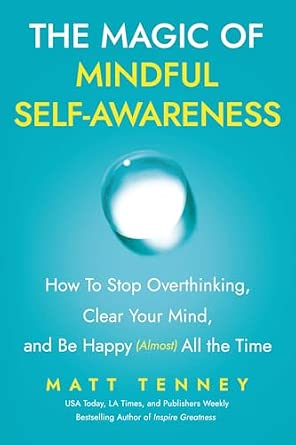 | Best for Mindful Clarity | Title: The Magic of Mindful Self-Awareness: How to Stop Overthinking, Clear Your Mind, and Be Happy (Almost) All the Time | ASIN: B0DW5HGKKL | Subject: Mindset and mindful self-awareness | VIEW ON AMAZON | See Our Full Breakdown |
| The Daily Stoic: 366 Meditations on Wisdom, Perseverance, and the Art of Living | 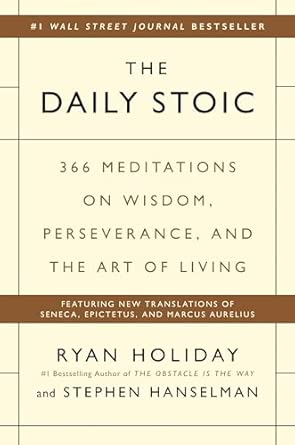 | Best for a Daily Mindset Practice | ASIN: 0735211736 | Title: The Daily Stoic: 366 Meditations on Wisdom, Perseverance, and the Art of Living | Format: Book; format not specified in supplied data | VIEW ON AMAZON | See Our Full Breakdown |
| Stop Overthinking: 23 Techniques to Relieve Stress, Stop Negative Spirals, Declutter Your Mind, and Focus on the Present |  | Best for Breaking Negative Thought Spirals | ASIN: B08XLLF3PG | Title: Stop Overthinking: 23 Techniques to Relieve Stress, Stop Negative Spirals, Declutter Your Mind, and Focus on the Present | Format: Not specified in supplied data | VIEW ON AMAZON | See Our Full Breakdown |
| Don’t Believe Everything You Think (Expanded Edition): Why Your Thinking Is the Beginning and End of Suffering |  | Best for Questioning the Power of Thought | ASIN: B0DHJH6QHB | Title: Don’t Believe Everything You Think (Expanded Edition): Why Your Thinking Is the Beginning and End of Suffering | Format: Not specified in supplied data | VIEW ON AMAZON | See Our Full Breakdown |
| The Let Them Theory |  | Best for Letting Go of Other People’s Choices | ASIN: B0DFMZMKFJ | Title: The Let Them Theory | Format: Not specified in supplied data | VIEW ON AMAZON | See Our Full Breakdown |
| Atomic Habits: An Easy & Proven Way to Build Good Habits and Break Bad Ones |  | Best for Turning Mindset Into Action | ASIN: B07RFSSYBH | Title: Atomic Habits: An Easy & Proven Way to Build Good Habits and Break Bad Ones | Format: Not specified in supplied data | VIEW ON AMAZON | See Our Full Breakdown |
| books on mindset | Title | ASIN | Format | Subject |
|---|---|---|---|---|
| Stop Letting Everything Affect | Stop Letting Everything Affect You: How to Break Free from Overthinking, Emotional Chaos, and Self-Sabotage | B0FJP3TFG3 | Not specified in the provided data | Mindset and personal development |
| The Book on Mindset | The Book on Mindset | B0H3DDGL5H | Not specified in the provided data | Mindset |
| Mindset: Updated Edition | Mindset: Updated Edition — Changing the Way You Think to Fulfil Your Potential | 147213995X | Not specified in the provided data | Mindset and personal development |
| Mindset: The New Psychology of | Mindset: The New Psychology of Success | 0345472322 | Book | Mindset and psychology of success |
| The Magic of Mindful Self-Awar | The Magic of Mindful Self-Awareness: How to Stop Overthinking, Clear Your Mind, and Be Happy (Almost) All the Time | B0DW5HGKKL | Not specified in the provided data | Mindset and mindful self-awareness |
| The Daily Stoic: 366 Meditatio | The Daily Stoic: 366 Meditations on Wisdom, Perseverance, and the Art of Living | 0735211736 | Book; format not specified in supplied data | — |
| Stop Overthinking: 23 Techniqu | Stop Overthinking: 23 Techniques to Relieve Stress, Stop Negative Spirals, Declutter Your Mind, and Focus on the Present | B08XLLF3PG | Not specified in supplied data | — |
| Don’t Believe Everything You T | Don’t Believe Everything You Think (Expanded Edition): Why Your Thinking Is the Beginning and End of Suffering | B0DHJH6QHB | Not specified in supplied data | — |
| The Let Them Theory | The Let Them Theory | B0DFMZMKFJ | Not specified in supplied data | — |
| Atomic Habits: An Easy & Prove | Atomic Habits: An Easy & Proven Way to Build Good Habits and Break Bad Ones | B07RFSSYBH | Not specified in supplied data | — |
More Details on Our Top Picks
Stop Letting Everything Affect You: How to Break Free from Overthinking, Emotional Chaos, and Self-Sabotage
The title makes this the most directly focused choice here for readers whose mindset challenge is getting pulled into overthinking and emotional reactions. It also names self-sabotage, giving the book a broader personal-growth angle than Stop Overthinking, which frames its promise around techniques for interrupting negative spirals. That focus may appeal if you want to examine how thoughts and feelings affect your choices, rather than only seeking ways to calm your mind in the moment. The tradeoff is limited detail: the available description does not explain its methods, structure, or evidence base, so I cannot recommend it for a specific exercise-based approach. Compared with Carol Dweck’s Mindset: The New Psychology of Success, this appears more centered on emotional regulation than beliefs about learning and achievement.
Pros:- Addresses overthinking and emotional chaos directly in its stated focus.
- Includes self-sabotage, connecting inner reactions with behavior.
- Aims at personal change rather than mindset theory alone.
Cons:- The supplied description gives no detail about the methods or exercises.
- The book’s scope and intended level of guidance are unclear from the available data.
Best for: Readers who feel easily unsettled by daily events and want a mindset book centered on overthinking, emotional reactions, and self-sabotage.
Not ideal for: Readers who want a clearly described program, a named set of exercises, or a well-documented framework before choosing a book.
- Title:Stop Letting Everything Affect You: How to Break Free from Overthinking, Emotional Chaos, and Self-Sabotage
- ASIN:B0FJP3TFG3
- Subject:Mindset and personal development
- Stated focus:Breaking free from overthinking, emotional chaos, and self-sabotage
- Format:Not specified in the provided data
- Edition:Not specified in the provided data
Our verdict“Choose this if emotional reactivity and self-sabotage are your main concerns, but skip it if you need a clearly outlined method before buying.”
The Book on Mindset
The Book on Mindset has the broadest, least specific title in this group, so it may suit readers who want to start with the general subject rather than a particular problem such as overthinking or emotional reactivity. That broad framing sets it apart from Mindset: The New Psychology of Success, whose title signals a focus on beliefs, learning, and achievement, and from The Magic of Mindful Self-Awareness, which points toward mindfulness and mental clarity. The limitation is that no description or edition information was supplied. I cannot tell whether this book offers a practical program, research-based discussion, or a short introductory overview. It earns a place as a possible general entry point, but readers who want a known framework may be better served by a title with a clearer stated focus.
Pros:- Its subject is immediately identifiable from the title.
- The broad framing may appeal to readers who have not settled on a specific mindset topic.
- Does not limit its stated scope to one named challenge.
Cons:- No description is available to clarify its ideas, structure, or intended reader.
- The title alone does not distinguish its approach from other general mindset books.
Best for: Readers who want a general introduction to mindset and are comfortable choosing a book without a detailed description of its approach.
Not ideal for: Readers seeking a specific method for growth, emotional regulation, or habit change, since the available information does not establish what the book covers.
- Title:The Book on Mindset
- ASIN:B0H3DDGL5H
- Subject:Mindset
- Description:Not provided
- Format:Not specified in the provided data
- Edition:Not specified in the provided data
Our verdict“Consider it as a broad starting point if you are open to uncertainty about the contents; choose a more specifically described title if you want targeted guidance.”
Mindset: Updated Edition — Changing the Way You Think to Fulfil Your Potential
The subtitle presents this edition as a guide to changing how you think in pursuit of your potential, giving it a clearer growth-oriented promise than the broadly titled The Book on Mindset. The “Updated Edition” detail may matter to readers who prefer this edition over an earlier version, though the supplied information does not say what changed. Its focus also appears wider than The Magic of Mindful Self-Awareness, which is specifically framed around overthinking and everyday happiness. That breadth could work for readers interested in personal development beyond one immediate problem, but the available data offers no further outline of the book’s framework or practical exercises. I would choose it for its explicit emphasis on thought and potential, while recognizing that its exact guidance cannot be judged from the product details provided.
Pros:- The subtitle clearly links mindset with personal potential.
- Identifies itself as an updated edition.
- Offers a broader growth focus than books centered only on overthinking.
Cons:- The supplied data does not describe the book’s framework or practical guidance.
- No details explain what was changed for the updated edition.
Best for: Readers looking for a growth-oriented mindset book that explicitly connects changing thought patterns with developing personal potential.
Not ideal for: Readers who need a clearly explained set of exercises or want to know what distinguishes the updated edition before choosing it.
- Title:Mindset: Updated Edition — Changing the Way You Think to Fulfil Your Potential
- ASIN:147213995X
- Edition:Updated Edition
- Stated focus:Changing the way you think to fulfil your potential
- Subject:Mindset and personal development
- Format:Not specified in the provided data
Our verdict“Pick this edition if its growth-and-potential framing matches your goal, but look for more detail if the updated content itself matters to you.”
Mindset: The New Psychology of Success
This is the clearest fit for readers who want to connect beliefs and attitudes with learning, achievement, and personal growth. That stated focus gives it a more defined intellectual lane than The Book on Mindset, whose product data provides no description, and a broader achievement lens than Stop Letting Everything Affect You, which centers on emotional reactions and self-sabotage. The tradeoff is that the available description does not outline its concepts or show how much hands-on guidance it offers. Readers seeking immediate tools to manage mental spirals may find Stop Overthinking more directly aligned with that need. I rank this as the strongest choice for an achievement-oriented mindset, based on its stated subject—not as a universal answer for every kind of personal change.
Pros:- Connects mindset with learning and achievement.
- Addresses personal growth through beliefs and attitudes.
- Has a more clearly defined focus than titles with no supplied description.
Cons:- The provided data does not describe its specific concepts or exercises.
- Its achievement focus may be less relevant to readers seeking immediate help with emotional spirals.
Best for: Readers who want to examine how their beliefs and attitudes relate to learning, achievement, and personal growth.
Not ideal for: Readers primarily seeking step-by-step help with overthinking or emotional regulation, since the supplied description emphasizes beliefs and achievement instead.
- Title:Mindset: The New Psychology of Success
- ASIN:0345472322
- Format:Book
- Subject:Mindset and psychology of success
- Stated focus:How beliefs and attitudes shape learning, achievement, and personal growth
- Edition:Not specified in the provided data
Our verdict“Choose this for a mindset book centered on beliefs, learning, and achievement; choose an overthinking-focused title for more targeted emotional guidance.”
The Magic of Mindful Self-Awareness: How to Stop Overthinking, Clear Your Mind, and Be Happy (Almost) All the Time
This title stands apart by presenting mindful self-awareness as its route to less overthinking, a clearer mind, and greater everyday happiness. That makes it more specific than The Book on Mindset and less centered on achievement than Mindset: The New Psychology of Success. It may appeal to readers who want to notice their thoughts and cultivate a calmer outlook, rather than focus chiefly on performance or self-sabotaging behavior. The happiness claim is ambitious, though, and the supplied description does not explain the practices behind it or qualify what “almost all the time” means. Compared with Stop Overthinking, its framing suggests a mindfulness-oriented approach, but the available data does not confirm a concrete technique list.
Pros:- Makes mindful self-awareness its central approach.
- Directly addresses overthinking and mental clarity.
- Connects mindset work with everyday happiness.
Cons:- The supplied description does not detail its mindfulness practices.
- Its broad happiness promise may not match readers seeking a narrowly defined method.
Best for: Readers interested in mindfulness and self-awareness as ways to reduce overthinking and cultivate more everyday mental clarity.
Not ideal for: Readers who want a clearly documented practice plan or prefer a book focused on achievement, beliefs, or measurable habit change.
- Title:The Magic of Mindful Self-Awareness: How to Stop Overthinking, Clear Your Mind, and Be Happy (Almost) All the Time
- ASIN:B0DW5HGKKL
- Subject:Mindset and mindful self-awareness
- Stated focus:Reducing overthinking and clearing the mind
- Stated goal:Greater happiness in everyday life
- Format:Not specified in the provided data
Our verdict“Choose this if mindfulness and mental clarity are your priorities, but seek a more specifically described guide if you need structured practices.”
The Daily Stoic: 366 Meditations on Wisdom, Perseverance, and the Art of Living
The Daily Stoic is built around a simple rhythm: 366 short meditations, giving readers a prompt for each day of the year. That structure suits someone who wants to revisit ideas about wisdom and perseverance in small portions rather than follow a single extended argument. Compared with Atomic Habits, which focuses on changing behavior through habit-building, this book centers on reflection and how to approach life’s challenges. Its daily format can make a mindset practice easier to maintain, but it may not satisfy readers seeking a detailed, step-by-step program or extensive practical exercises. The supplied product information does not specify the meditations’ length, layout, or supporting materials, so readers should not assume a particular reading experience beyond the stated daily collection.
Pros:- Provides 366 meditations for a year-round reading routine
- Keeps its focus on wisdom and perseverance
- Daily entries offer a manageable alternative to reading a long continuous argument
Cons:- The supplied description does not explain how practical or exercise-based the meditations are
- A daily reflection format may feel less actionable than the behavior-focused approach of Atomic Habits
Best for: Readers who want a brief daily reflection on perseverance and wisdom rather than a structured habit-change plan.
Not ideal for: Readers seeking detailed exercises, a tightly sequenced course, or specific guidance for changing a recurring behavior.
- ASIN:0735211736
- Title:The Daily Stoic: 366 Meditations on Wisdom, Perseverance, and the Art of Living
- Format:Book; format not specified in supplied data
- Meditation count:366
- Stated cadence:Daily
- Main themes:Wisdom, perseverance, and the art of living
Our verdict“Choose this for a steady year of short reflections on resilience, not for a hands-on habit-building program.”
Stop Overthinking: 23 Techniques to Relieve Stress, Stop Negative Spirals, Declutter Your Mind, and Focus on the Present
Where The Daily Stoic offers a reflection for each day, Stop Overthinking aims at a more immediate problem: stress and repetitive negative thinking. Its promise of 23 techniques gives this pick a practical, skills-oriented angle for readers who want ways to interrupt spirals and return attention to the present. That makes it more directly targeted than Mindset: The New Psychology of Success, whose stated focus is changing how readers think about potential and achievement. The tradeoff is that the supplied description does not name the techniques or explain how they are taught, so buyers cannot judge their depth or style from this information alone. Readers looking for broad theories of mindset may find the narrow focus on overthinking limiting, while those facing that specific pattern may welcome the clear aim.
Pros:- States a clear focus on stress and negative thought spirals
- Offers 23 techniques rather than relying only on general encouragement
- Connects mental decluttering with attention to the present
Cons:- The supplied description does not identify or explain the techniques
- Its narrow focus may not address readers’ wider goals around habits, confidence, or personal growth
Best for: Readers who often replay worries or negative thoughts and want a collection of techniques aimed at present-moment focus.
Not ideal for: Readers looking for a broad discussion of growth, achievement, or mindset theory rather than help with overthinking.
- ASIN:B08XLLF3PG
- Title:Stop Overthinking: 23 Techniques to Relieve Stress, Stop Negative Spirals, Declutter Your Mind, and Focus on the Present
- Format:Not specified in supplied data
- Technique count:23
- Stated goals:Relieve stress, interrupt negative spirals, declutter the mind, and focus on the present
- Primary subject:Overthinking
Our verdict“Pick this when overthinking is your main concern and you want techniques aimed at calming mental spirals.”
Don’t Believe Everything You Think (Expanded Edition): Why Your Thinking Is the Beginning and End of Suffering
Don’t Believe Everything You Think takes a conceptual route into mindset: its central premise is that thinking plays a key role in personal suffering. That makes it distinct from Stop Overthinking, which is presented as a collection of techniques for interrupting negative spirals. Readers drawn to examining their relationship with thoughts may prefer this framing; those who want named exercises or a step-by-step method may find the available description too abstract. The title identifies an Expanded Edition, but the supplied product data does not explain what has been added, so I would not treat that label as proof of particular features. Its strongest fit is for a reader interested in the underlying role of thought, with the tradeoff that the available details offer little guidance about the book’s practical format or scope.
Pros:- Presents a focused central idea about thinking and suffering
- Offers a more reflective angle than the technique-led Stop Overthinking
- Identifies itself as an expanded edition
Cons:- The supplied description does not detail the book’s methods or chapter structure
- The meaning and contents of the expanded edition are not specified
- Readers seeking practical exercises may find the stated premise insufficiently concrete
Best for: Readers interested in reflecting on how their thoughts shape their experience and contribute to suffering.
Not ideal for: Readers who want a clearly listed set of exercises, techniques, or a detailed program for changing thought patterns.
- ASIN:B0DHJH6QHB
- Title:Don’t Believe Everything You Think (Expanded Edition): Why Your Thinking Is the Beginning and End of Suffering
- Format:Not specified in supplied data
- Edition:Expanded Edition
- Central subject:How thinking relates to personal suffering
- Stated premise:Thinking is described as the beginning and end of suffering
Our verdict“Choose this for a reflective exploration of thought and suffering, rather than a clearly outlined toolkit.”
The Let Them Theory
The Let Them Theory is the most narrowly framed choice here: the available description presents it as a tool for approaching life, without further detail about its method or subject areas. That makes it a possible fit for readers drawn to a concise guiding idea, but it leaves less to evaluate than Atomic Habits, whose title clearly signals a focus on building and breaking habits. It also cannot be compared with confidence on exercises, examples, or structure, since none are specified in the supplied data. The title suggests an approach centered on allowing others to make their own choices, but the description does not spell out how the theory is applied. I would choose it for interest in that named concept, not as a substitute for a detailed, clearly outlined behavior-change guide.
Pros:- Centers the book on a distinct named theory
- Is presented as a tool for approaching life
- Offers a different angle from the habit-change focus of Atomic Habits
Cons:- The supplied description gives no details about how the theory works
- No exercises, examples, or specific applications are identified
- Limited information makes it difficult to judge whether it suits a particular mindset challenge
Best for: Readers specifically interested in exploring the Let Them Theory as a guiding idea for approaching life.
Not ideal for: Readers who want a well-described framework with documented exercises, subject coverage, or practical steps before choosing.
- ASIN:B0DFMZMKFJ
- Title:The Let Them Theory
- Format:Not specified in supplied data
- Named concept:The Let Them Theory
- Stated purpose:A tool for approaching life
- Further product details:Not provided
Our verdict“Choose this if the Let Them Theory itself appeals to you, but favor Atomic Habits for a clearly stated behavior-change focus.”
Atomic Habits: An Easy & Proven Way to Build Good Habits and Break Bad Ones
Atomic Habits is the clearest choice in this group for readers who want mindset work to show up in daily behavior: its stated focus is building good habits and breaking bad ones. That practical orientation separates it from The Daily Stoic, which is framed around daily meditations on wisdom and perseverance. Instead of choosing between reflection and action, the decision is about what kind of help you want: the supplied description points toward behavior change here, but gives no further detail about the book’s specific methods, examples, or exercises. Readers seeking a broader exploration of thought and suffering may find Don’t Believe Everything You Think closer to that interest. This pick’s main tradeoff is its habit-centered scope; it is not presented as a general guide to every mindset challenge.
Pros:- Clearly targets both building good habits and breaking bad ones
- Connects personal change with repeatable everyday behavior
- Provides a more action-oriented focus than the reflective format of The Daily Stoic
Cons:- The supplied description does not detail the methods, exercises, or examples
- Its stated scope centers on habits rather than the full range of mindset concerns
Best for: Readers who want to build more helpful routines or break unwanted habits as a concrete expression of mindset change.
Not ideal for: Readers primarily seeking daily philosophical reflection or a focused guide to stress and negative thought spirals.
- ASIN:B07RFSSYBH
- Title:Atomic Habits: An Easy & Proven Way to Build Good Habits and Break Bad Ones
- Format:Not specified in supplied data
- Stated focus:Building good habits and breaking bad ones
- Stated approach:Habit change
- Additional product details:Not provided
Our verdict“Choose this for a habit-centered route from intention to action, rather than for philosophical reflection or overthinking support.”

How We Picked
I compared these 10 books on mindset by the kind of change each one aims to support: changing beliefs, handling difficult thoughts, building habits, or practicing reflection. I also weighed how clearly each book’s approach is signaled by its subject and format, how readily a reader can apply its ideas, and whether it serves a distinct need in this lineup. A specific, usable focus ranked ahead of a broad promise when the book’s intended reader and practical role were easier to identify.
The order favors range and clarity: Mindset: Updated Edition leads as the most direct foundation for the topic, while Atomic Habits ranks highly for readers seeking action-oriented change. Specialized books follow when they address a narrower concern, such as overthinking or Stoic reflection. The ranking is not a claim that one approach suits everyone; readers seeking a different kind of support may find a lower-ranked title a better personal fit.
| books on mindset | Subject | Stated focus | Format | Edition |
|---|---|---|---|---|
| Stop Letting Everything Affect | Mindset and personal development | Breaking free from overthinking, emotional chaos, and self-sabotage | Not specified in the provided data | Not specified in the provided data |
| The Book on Mindset | Mindset | — | Not specified in the provided data | Not specified in the provided data |
| Mindset: Updated Edition | Mindset and personal development | Changing the way you think to fulfil your potential | Not specified in the provided data | Updated Edition |
| Mindset: The New Psychology of | Mindset and psychology of success | How beliefs and attitudes shape learning, achievement, and personal growth | Book | Not specified in the provided data |
| The Magic of Mindful Self-Awar | Mindset and mindful self-awareness | Reducing overthinking and clearing the mind | Not specified in the provided data | — |
| The Daily Stoic: 366 Meditatio | — | — | Book; format not specified in supplied data | — |
| Stop Overthinking: 23 Techniqu | — | — | Not specified in supplied data | — |
| Don’t Believe Everything You T | — | — | Not specified in supplied data | Expanded Edition |
| The Let Them Theory | — | — | Not specified in supplied data | — |
| Atomic Habits: An Easy & Prove | — | Building good habits and breaking bad ones | Not specified in supplied data | — |
Factors to Consider When Choosing Books On Mindset
Before choosing among books on mindset, decide what you want to change. A book about beliefs may not offer the same practical tools as one about habits, and a daily reflection book has a different reading rhythm from a continuous guide. These distinctions can help you select a book you will use rather than one that simply sounds relevant.
Choose the Problem Before the Promise
Start with a concrete question: are you trying to respond differently to setbacks, quiet repetitive thoughts, set boundaries, or follow through on a goal? These concerns overlap, but a general interest in personal growth can make almost any title seem suitable. Match the book’s central subject to a situation you actually face, rather than relying on a broad promise of happiness or success. A common mistake is buying several books that all address the same frustration without deciding what kind of help is missing. If you are unsure, write down one recent example and choose the approach that speaks to that moment. This makes a narrower book more useful than a sweeping title that does not fit your immediate need.
Decide Whether You Want Ideas or a Practice
Some readers want a framework they can understand and apply across different parts of life; others need a routine that prompts regular action. A concept-led book can change how you interpret challenges, but it may leave you responsible for deciding how to put the idea into practice. A daily meditation format can make reading feel manageable, though short entries may offer less sustained development of one argument. Habit-focused books sit closer to implementation, but their methods may not address the emotional beliefs behind a problem. Think about what you usually finish: a continuous argument, a set of exercises, or a short recurring entry. Choosing for your reading habits reduces the chance that a well-matched subject becomes an unread book.
Look for a Useful Balance of Reassurance and Action
Mindset books can offer comfort by reframing difficult experiences, but reassurance alone may not help you change a recurring pattern. Practical steps can be useful, yet advice that feels too prescriptive may not fit your circumstances. Read the description and sample pages, when available, to see whether the author moves from explanation to application in a way that suits you. A common buying mistake is assuming that more techniques automatically mean more useful guidance. Consider whether you want reflection, exercises, examples, or a simple daily prompt. The right balance is the one that makes you willing to return to the material when the original problem comes up again.
Separate Mindset Change From Habit Change
Changing a belief and changing a routine are related but not identical goals. A book focused on mindset may help you examine how you interpret effort or failure, while a habits book is more directly concerned with the repeated actions that shape daily life. If you already understand what you want to do but struggle to repeat it, practical behavior guidance may be a better fit than another broad discussion of motivation. If you keep abandoning goals after a setback, a framework for interpreting challenges may address a different part of the problem. Avoid expecting one book to solve both issues equally well. Choose the emphasis that is currently holding you back, then look for a second perspective only if a clear gap remains.
Check the Reading Format and Scope
Format shapes how a book fits into your day and how much continuity it asks from you. A collection of dated reflections can be read in brief sessions, while a focused argument may make more sense when read in sequence. Titles that address a specific struggle can feel immediately relevant, but their scope may not extend to every personal-growth goal. Broader books can offer ideas that travel across situations, though they may feel less targeted. Check whether the book’s structure matches the time and attention you can give it, rather than assuming a short session means an easy read. This small check can matter more to follow-through than choosing the title with the broadest claims.
Treat a Book as Guidance, Not a Substitute for Care
Self-help books can support reflection and offer practices, but they are not a replacement for personalized professional care when distress is persistent or disrupting daily life. A book about overthinking may offer a way to notice thought patterns, while a book about boundaries may help frame interpersonal choices; neither can assess an individual situation. Be cautious of any description or interpretation that suggests one mindset shift will resolve every difficulty. Consider whether the material feels constructive and appropriate for your circumstances, and pause if it increases distress. Readers facing serious or ongoing mental health concerns may benefit from discussing their needs with a qualified professional. This keeps a book in its useful role: a source of ideas, not a diagnosis or complete treatment plan.
Frequently Asked Questions
Which book should I start with if I have never read a mindset book?
I would start with Mindset: Updated Edition if you want a direct introduction to the growth-mindset framework and how beliefs can affect learning and persistence. Choose Atomic Habits instead if your main frustration is knowing what you want but struggling to repeat the actions. If reading in brief daily sessions suits you better, The Daily Stoic offers a different format, though it is less like a single continuous introduction. You do not need to read all three to get started. Pick the one closest to a current challenge, then decide whether you need another angle after applying its ideas.
Are books about overthinking interchangeable?
No. Books that address overthinking can differ in their emphasis, from practical techniques for interrupting negative spirals to broader reflection on emotional responses and self-sabotage. In this lineup, Stop Overthinking signals a technique-oriented focus, while Stop Letting Everything Affect You points toward emotional reactivity and personal boundaries as well. Compare the contents or sample pages to see whether you prefer step-by-step methods or a wider discussion of patterns. If your concern is persistent or seriously affects daily life, a book may offer support but cannot replace personalized care. Choose by the kind of guidance you are looking for, not just the shared subject in the title.
Should I choose a mindset book or a habit book if I want to change my routine?
If the main obstacle is repeating a behavior, a habit-focused book such as Atomic Habits is the more direct starting point in this roundup. If the routine breaks down after mistakes, discouragement, or a belief that effort will not help, a mindset-focused book may address the thinking around the behavior. Some readers may eventually benefit from both angles, but buying both at once can make it harder to put either approach into practice. Start with the barrier you can describe most clearly: planning and repetition, or beliefs and responses to setbacks. Then reassess after trying the ideas in daily life.
Is a daily meditation book a good choice if I do not read every day?
A daily-entry format does not require perfect attendance to be useful, but its structure is most appealing if short, repeatable reading sessions help you reflect. The Daily Stoic is distinct from the continuous guides in this list because it is organized around 366 meditations rather than one sustained argument. If you prefer to finish a chapter and follow a developing explanation, another format may suit you better. You can also read entries at your own pace rather than treating the calendar as a rule. Choose the format that feels inviting on an ordinary busy day, not just the one that sounds most disciplined.
Can one book on mindset address boundaries, confidence, and motivation at once?
Some books touch on several parts of personal growth, but a single title is unlikely to give equal depth to boundaries, confidence, and motivation. This roundup shows how the category divides into distinct approaches: The Let Them Theory centers on a particular way of thinking about other people’s choices, Mindset focuses on beliefs about ability, and Atomic Habits emphasizes repeated behavior. Start with the issue causing the most friction now, rather than buying a broad book in hopes it covers everything. If you later find that a related need remains, select a second book with a genuinely different focus. That approach keeps your reading purposeful instead of repetitive.
Conclusion
For the best overall starting point, I recommend Mindset: Updated Edition for readers who want a direct framework for understanding beliefs about growth and learning. My best value pick for practical behavior change is Atomic Habits, while The Daily Stoic is the best premium-style choice for readers who want a structured year of brief reflections rather than a one-sitting guide. For beginners, I would choose the title that matches a clear, current concern: Mindset: Updated Edition for beliefs or Atomic Habits for routines. Readers focused on recurring thought spirals can begin with Stop Overthinking; those seeking a broader angle on emotional reactions may prefer Stop Letting Everything Affect You. The best choice is the one that addresses your actual obstacle and uses a format you are likely to return to.
Halloween Picks
halloween
As an affiliate, we earn on qualifying purchases.