

To start a mindfulness habit, begin with simple breathing exercises you can do anywhere. Create a dedicated space to make it easier to focus and set aside a specific time each day to practice. Incorporate quick mindfulness activities into daily routines, like paying attention to your breath or surroundings. Be patient and kind to yourself as progress takes time. Keep sustaining your efforts, and you’ll discover even more ways to deepen your practice as you go along.

Get the little things that make your day delivered free with Prime
- Fast, free delivery on millions of items
- Prime Video, Amazon Music and more included
- Member-only deals all year
Key Takeaways
- Begin with simple breathing exercises to build awareness and calm the mind.
- Create a dedicated, comfortable space to reinforce your mindfulness routine.
- Incorporate short, daily activities to develop the habit gradually.
- Set a consistent time and use guided resources for structure and support.
- Practice patience, focusing on progress rather than perfection to sustain motivation.
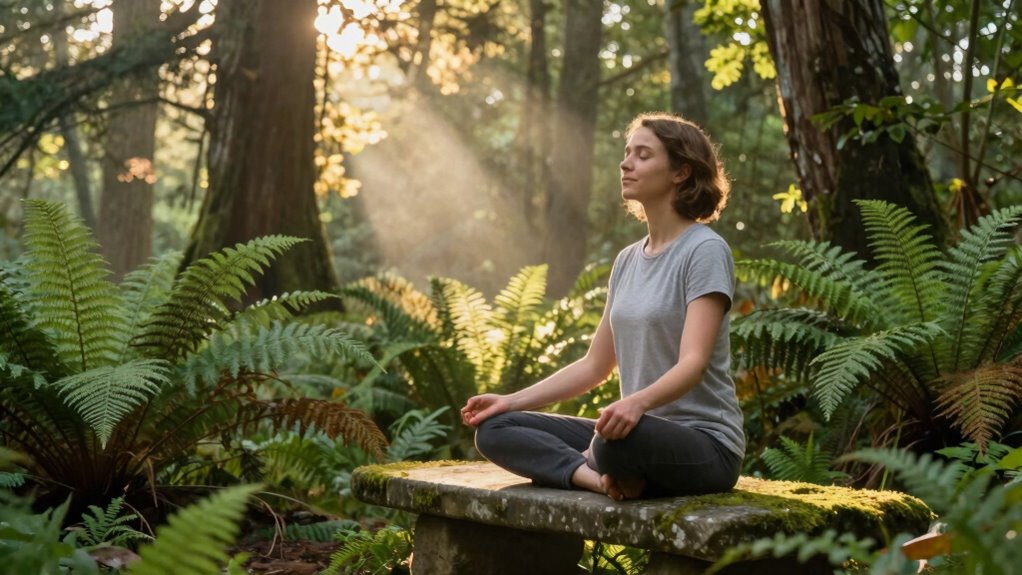
Starting a mindfulness habit can feel overwhelming at first, but the key is to take small, intentional steps. You don’t need to overhaul your entire routine overnight. Instead, focus on simple actions that gradually build your awareness and calm your mind. One of the most effective ways to begin is by incorporating breathing techniques. These are straightforward, quick to learn, and can be done anywhere—whether you’re at your desk, lying in bed, or waiting in line. Focus on slow, deep breaths, inhaling through your nose, and exhaling through your mouth or nose. Pay close attention to the sensation of your breath entering and leaving your body. This helps anchor you in the present moment and reduces mental clutter. Additionally, establishing a dedicated space for your practice can enhance your focus and make it easier to develop consistency. Creating a specific environment can also signal to your brain that it’s time to be mindful, making the habit more automatic over time. Incorporating present-moment awareness into your daily activities can further reinforce your practice and deepen your mindfulness.
Start small with breathing exercises to stay present and calm your mind wherever you are.
Research shows that mindfulness practices can positively impact your overall well-being, encouraging continued commitment. Alongside breathing techniques, meditation practices serve as excellent tools to develop mindfulness. You don’t need to commit to long sessions right away; even a few minutes daily can make a difference. Find a comfortable position, close your eyes if you like, and direct your attention to your breath or a specific point of focus. When your mind wanders—which it will—gently guide it back without judgment. Consistency is more important than duration at this stage. Practicing mindfulness regularly can also improve your focus and help you better recognize your thoughts and emotions as they arise. The goal is to create a habit of returning your focus to the present, strengthening your ability to stay mindful throughout the day.
As you establish your practice, try to set aside a specific time each day. It could be morning before starting your day, during lunch, or before bed. Consistency helps your brain recognize these moments as opportunities for mindfulness, making the habit stick. Remember, mindfulness isn’t about achieving a blank mind but about observing your thoughts, feelings, and bodily sensations without reacting to them. With practice, you’ll notice an increased sense of calm and clarity in your daily life.
You might also explore guided meditation recordings or mindfulness apps. These resources can provide structure and support, especially when you’re just starting out. They often include breathing exercises and meditation practices designed for beginners, guiding you step-by-step. Over time, as your confidence grows, you can adapt these practices or create your own routines. The most important thing is to be patient and gentle with yourself. Building a mindfulness habit is a journey, not a destination, and each small step brings you closer to a more centered, peaceful state of being. Recognizing the importance of consistency can help you stay committed even when motivation wanes.
Frequently Asked Questions
How Long Should My Daily Mindfulness Sessions Be?
Start with 5 to 10 minutes daily for your mindfulness sessions. During this time, focus on breathing exercises to calm your mind and do a body scan to increase awareness of physical sensations. As you grow more comfortable, gradually extend your practice to 15 or 20 minutes. Consistency is key, so aim for daily sessions, even if they’re brief, to build a sustainable mindfulness habit.
Can Mindfulness Help With Anxiety or Depression?
Think of mindfulness as a gentle lighthouse guiding you through stormy seas of anxiety or depression. It can boost your creativity and deepen mindfulness in relationships, helping you feel more connected and calm. By practicing regularly, you create a sanctuary within, where clarity and peace flourish. Mindfulness helps you observe your thoughts without judgment, transforming overwhelming feelings into manageable waves and fostering resilience in your mental well-being.
Is It Better to Meditate Alone or in a Group?
It depends on your preferences and goals. If you thrive on social support and motivation, group meditation can boost your consistency and deepen your practice. On the other hand, solo mindfulness offers flexibility, allowing you to tailor your sessions and cultivate a personal connection. Both methods are effective; try experimenting to see which approach feels more natural and helps you stay committed to your mindfulness routine.
What Are Common Obstacles When Starting Mindfulness?
You might face obstacles like falling for mindfulness myths, which can make practice seem intimidating or unnecessary. Daily distractions also pose a challenge, pulling your focus away from mindfulness exercises. To overcome these, remember that mindfulness isn’t about perfection—it’s about consistency and patience. Start small, dispel myths that hinder your progress, and create a distraction-free environment, gradually building your ability to stay present amid life’s interruptions.
How Quickly Can I Expect to See Benefits?
You might notice some mindfulness benefits within just a few days, like reduced stress or increased calm. However, for deeper changes like improved focus or emotional regulation, it usually takes several weeks of consistent practice. Mindfulness timing varies for everyone, so keep your benefit expectations realistic. The key is regular practice—over time, you’ll likely experience a gradual but meaningful shift in your mental well-being.
Conclusion
Starting a mindfulness habit is easier than you think—just take that first small step, and watch how it transforms your life. Remember, consistency beats intensity; even a minute a day can create ripples of calm and clarity. Stick with it, and soon you’ll feel like you’ve discovered a secret superpower, turning chaos into calm with each mindful breath. So go ahead, embrace this journey—you’re about to become the master of your own peace!
Products Worth Considering
guided mindfulness meditation app
As an affiliate, we earn on qualifying purchases.
As an affiliate, we earn on qualifying purchases.