
TL;DR

Get the little things that make your day delivered free with Prime
- Fast, free delivery on millions of items
- Prime Video, Amazon Music and more included
- Member-only deals all year
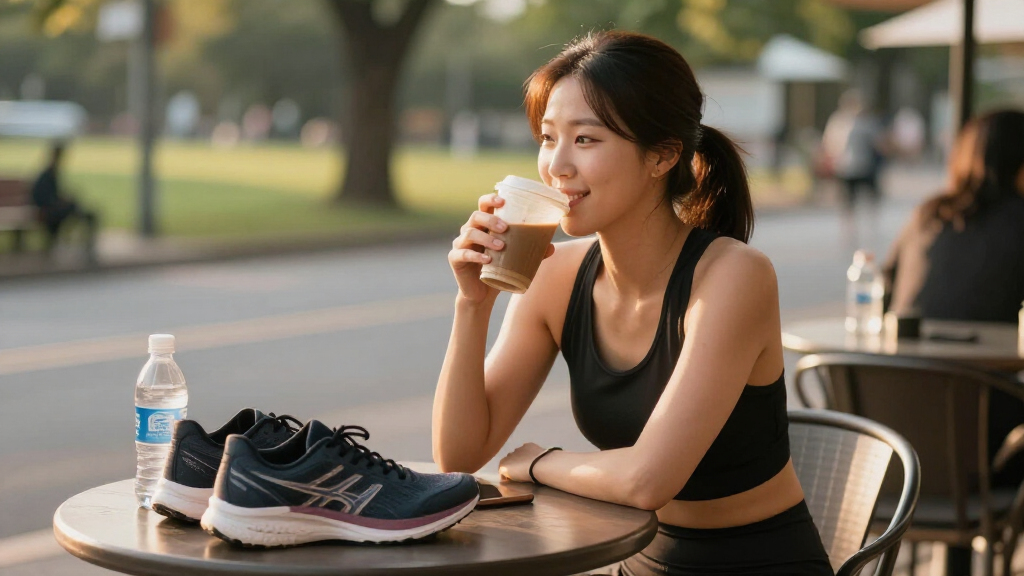
A growing number of cafes catering specifically to runners are emerging across South Korea, marking a new wellness trend. This shift highlights increased health awareness among Koreans and the integration of fitness into daily routines.
South Korea is witnessing a notable rise in cafes tailored specifically for runners, reflecting a broader shift toward health and wellness among Koreans. These cafes, equipped with features like hydration stations, stretching areas, and space for post-run recovery, are attracting increasing foot traffic. The trend underscores the growing importance of fitness in daily life and the integration of wellness into social spaces.
The emergence of runner-friendly cafes across South Korea has been observed over recent months, with several new establishments opening in major cities such as Seoul and Busan. These cafes typically offer amenities like specialized hydration options, nutritional snacks, and comfortable seating areas designed for post-run relaxation. The trend appears to be driven by rising health consciousness, with many Koreans adopting running as a primary form of exercise amid busy lifestyles.
According to industry sources, the popularity of these cafes correlates with increased participation in running events and a nationwide push toward healthier living. Social media posts and search trends indicate a spike in interest, although specific data on the number of cafes or the growth rate remains unconfirmed. Experts suggest that this trend aligns with broader wellness movements in South Korea, emphasizing physical activity and mental health.
The rise of runner-friendly cafes signals a shift in Korean social spaces toward health-oriented environments, encouraging community building among fitness enthusiasts. This trend may influence urban planning, local economies, and the future development of lifestyle venues. It also highlights a broader societal move toward integrating wellness into everyday routines, potentially impacting public health positively.
Growing Fitness Culture and Urban Wellness Spaces
Over recent years, South Korea has seen a surge in fitness activities, including marathon events and outdoor running groups, driven by increased health awareness and government campaigns promoting active lifestyles. The emergence of specialized cafes fits into this larger trend, providing social hubs for runners and fitness-minded individuals. While the trend is still emerging, it reflects a broader societal shift toward prioritizing health and social engagement through specialized venues. The exact number of such cafes and their geographic distribution are still being tracked, and the trend’s long-term sustainability remains uncertain.Extent and Longevity of the Trend Still Unclear
It is not yet confirmed how widespread this trend will become across South Korea or whether it will sustain long-term growth. The number of cafes explicitly catering to runners is still being tracked, and the influence of external factors such as economic conditions or changing consumer preferences remains uncertain. Additionally, the impact on public health outcomes or urban development is yet to be studied comprehensively.
Monitoring Growth and Potential Expansion of Runner Cafes
Experts and industry observers expect ongoing monitoring of the trend’s development, including potential expansion into other cities and integration with broader wellness initiatives. Future research may focus on consumer behavior, health impacts, and the role of these cafes in fostering community among fitness enthusiasts. As the trend gains momentum, more cafes may adopt similar features, and policymakers might consider supporting such spaces as part of urban wellness strategies.
Key Questions
Why are cafes becoming popular among runners in Korea?
The cafes cater specifically to runners by providing amenities like hydration stations, nutritional snacks, and recovery spaces, making them convenient social and recovery hubs for fitness enthusiasts.
Is this trend limited to major cities like Seoul?
While most early examples are in Seoul and Busan, the trend is beginning to appear in other urban areas, though comprehensive data on geographic spread is not yet available.
Are these cafes linked to any official health initiatives?
There is no confirmed official connection; however, the trend aligns with broader government and societal efforts to promote active lifestyles and wellness.
Will this trend influence urban planning or public health policies?
It is still uncertain, but if the trend continues to grow, it could encourage more development of health-focused social spaces and support public health goals.
What are the future prospects for runner-friendly cafes?
Observers expect continued growth, especially if consumer interest sustains, with potential expansion into other regions and integration with community fitness programs.
Source: rss
Products Worth Considering
As an affiliate, we earn on qualifying purchases.