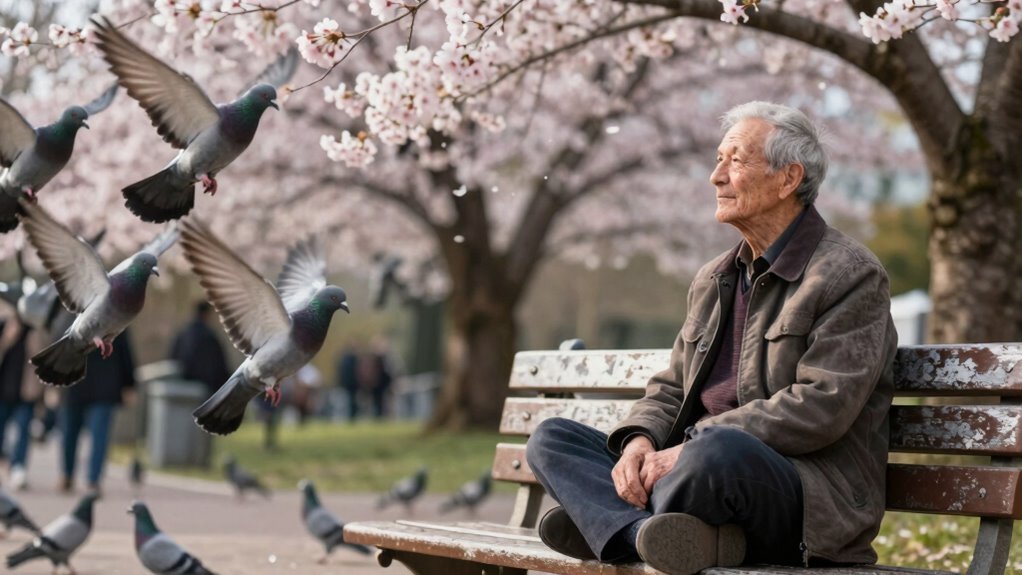

Observing without judgment means you notice your experiences, thoughts, and feelings with an open mind, avoiding labels like good or bad. It involves being present, paying close attention without rushing to interpret or evaluate what you see or feel. Instead, you detach from emotional reactions and recognize biases that might color your perception. By practicing this, you’ll develop more clarity and compassion, helping you see situations more objectively—if you want to understand how to cultivate this skill, there’s more to explore.

Get the little things that make your day delivered free with Prime
- Fast, free delivery on millions of items
- Prime Video, Amazon Music and more included
- Member-only deals all year
Key Takeaways
- It involves perceiving experiences objectively without labeling them as good or bad.
- It requires awareness of personal biases and automatic judgments.
- Practicing pausing and breathing helps create space between stimulus and response.
- Observing without judgment means accepting feelings and thoughts without suppression or over-interpretation.
- It fosters clarity, compassion, and a deeper understanding of the present moment.

Sometimes, your mind automatically labels what you see as good or bad, right or wrong. It’s a natural reaction—your brain sorts through experiences quickly, attaching judgments based on past beliefs or conditioning. But if you want to truly observe without judgment, you need to cultivate mindful awareness. This means paying close attention to what’s happening in the present moment without rushing to interpret or evaluate it. Instead of reacting instantly, you pause, breathe, and notice your thoughts and feelings as they arise. When you do this consistently, you create space between the stimulus and your response, allowing you to see things more clearly and objectively. Recognizing perceptual biases can also help you understand how your perceptions are shaped and how to counteract them, leading to more accurate observation. Developing an understanding of these biases can be a crucial step in improving perception accuracy.
To observe without judgment, you also need to practice emotional neutrality. It’s about detaching yourself from emotional reactions that often color your perception. Rather than feeling overwhelmed, angry, or excited, you learn to observe your emotions without getting caught up in them. This doesn’t mean suppressing your feelings; it’s about recognizing them without letting them dominate your perspective. When you approach experiences with emotional neutrality, you’re better able to see situations for what they truly are, rather than what your emotions might make them seem. This neutrality allows you to stay present and attentive, rather than being pulled into a story or narrative that your mind might create. Developing this kind of objectivity takes effort. It involves consistently reminding yourself to stay present and to view each moment with curiosity rather than judgment. When you notice yourself reacting with a negative judgment—like thinking someone is rude or an event is unfair—pause and take a step back. Ask yourself, “Am I observing this with an open mind, or am I letting my feelings or assumptions shape my view?” By doing this, you reinforce your capacity for mindful awareness. Over time, this practice helps you become more aware of your tendencies to judge and gradually reduces their influence on your perception.
Ultimately, observing without judgment isn’t about being indifferent or dismissive. It’s about engaging fully with your experience while maintaining a sense of emotional neutrality. This approach fosters a deeper understanding of yourself and the world around you. When you learn to see things as they are—without the filter of judgment—you develop clarity, compassion, and a greater sense of peace. It’s a skill that transforms how you relate to yourself and others, making your interactions more authentic and less reactive. Cultivating mindful awareness can help you develop these qualities over time, leading to a more balanced and compassionate outlook. Recognizing and understanding perceptual biases can further support your journey towards more genuine observation and presence. Additionally, practicing self-awareness can significantly enhance your ability to observe without judgment by making you more conscious of your habitual reactions.
Frequently Asked Questions
How Can I Start Practicing Non-Judgmental Observation Daily?
You can start practicing non-judgmental observation daily by incorporating mindfulness techniques and self-awareness exercises into your routine. Begin each day by paying attention to your surroundings without labeling or reacting. Use breath awareness or body scans to center yourself. As you go about your day, pause periodically to observe your thoughts and feelings without judgment, fostering a calm, open mind that helps you see things more clearly and compassionately.
What Are Common Mistakes When Trying to Observe Without Judgment?
A common mistake is letting preconceptions influence your observation, causing bias recognition to slip. You might judge situations based on past experiences instead of staying present. To improve, actively notice when your mind jumps to conclusions, and remind yourself to stay neutral. Avoid rushing to interpret what you see; instead, focus on simply observing without labels. This keeps your awareness clear and helps cultivate genuine non-judgmental observation.
Does Observing Without Judgment Improve Emotional Well-Being?
Yes, observing without judgment can boost your emotional well-being. When you practice mindfulness techniques, you develop greater emotional awareness, allowing you to handle feelings more effectively. It’s like killing two birds with one stone—you gain clarity and reduce inner turmoil. By watching your thoughts and emotions without labeling them good or bad, you create space for acceptance and resilience, ultimately leading to a calmer, more balanced state of mind.
Can This Practice Help With Interpersonal Relationships?
Yes, practicing observation without judgment enhances your interpersonal relationships. It helps you engage in mindful communication, allowing you to listen more attentively and respond thoughtfully. By observing others without jumping to conclusions, you foster empathetic understanding, which deepens trust and connection. This approach reduces misunderstandings, encourages openness, and creates a safe space for honest dialogue, ultimately strengthening your relationships and promoting mutual respect.
How Long Does It Take to See Results From Non-Judgmental Observation?
Surprisingly, you might see results in just days, or maybe weeks, with consistent mindfulness techniques. Ironically, the more you try to rush emotional awareness, the slower progress seems. As you practice non-judgmental observation, you’ll notice subtle shifts—less reactivity, clearer understanding. Patience is key; emotional growth isn’t instant. Keep practicing daily, and over time, you’ll find yourself more present and compassionate, transforming your relationships and inner peace.
Conclusion
As you gently hold space for your experiences without rushing to label them, you create a quiet sanctuary within. By softly observing, you allow each moment to unfold naturally, like a delicate flower opening to the sun. This gentle approach nurtures understanding and peace, helping you see the world and yourself with kinder eyes. Embrace this tender awareness, and watch as your inner landscape transforms into a serene garden of acceptance and calm.
Products Worth Considering
As an affiliate, we earn on qualifying purchases.