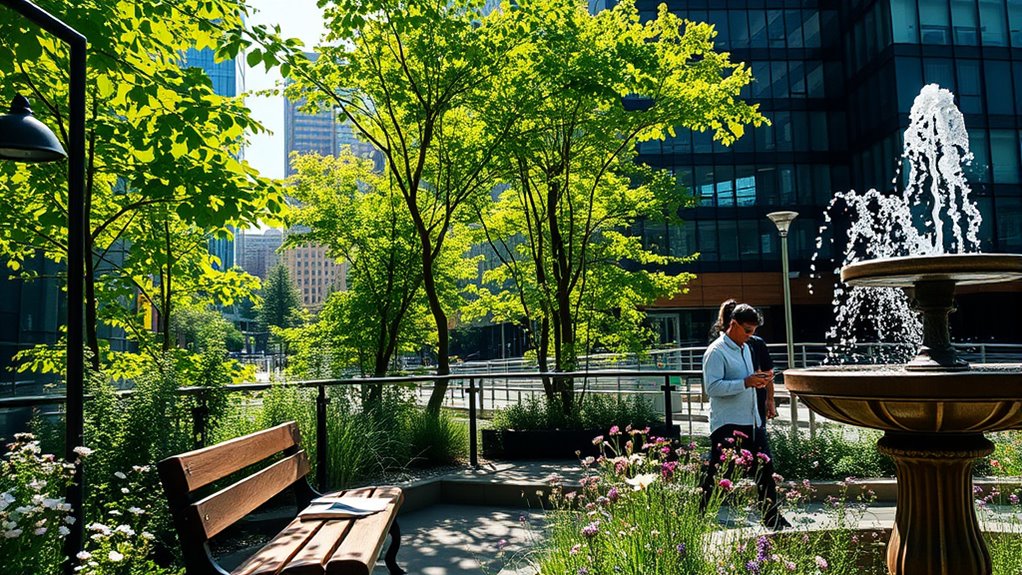

As an urban planner, you must recognize how your designs impact mental health. Mindfulness in your work can facilitate community connections and enhance well-being. Prioritize green spaces to reduce stress and encourage social interaction. Incorporate neuroscientific insights to understand behavioral responses to environments. Remember to engage diverse community members in the design process to create accessible spaces that meet their needs. Discover how these principles can shape your approach to more mindful urban design.

Get the little things that make your day delivered free — and shop member deals
- Fast, free delivery on millions of items
- Access to Prime Big Deal Days deals on October 6–7
- Prime Video, Amazon Music and more included
Key Takeaways
- Incorporate green spaces in urban designs to promote stress reduction and enhance mindfulness among residents.
- Engage communities in the planning process to ensure designs reflect diverse needs and aspirations.
- Utilize neuroscientific insights to create environments that positively influence behavior and emotional well-being.
- Prioritize walkable neighborhoods with mixed-use developments to foster social interaction and reduce isolation.
- Design quiet areas for reflection and relaxation to counteract urban noise and pollution impacts on mental health.
Understanding the Connection Between Urban Design and Mental Health
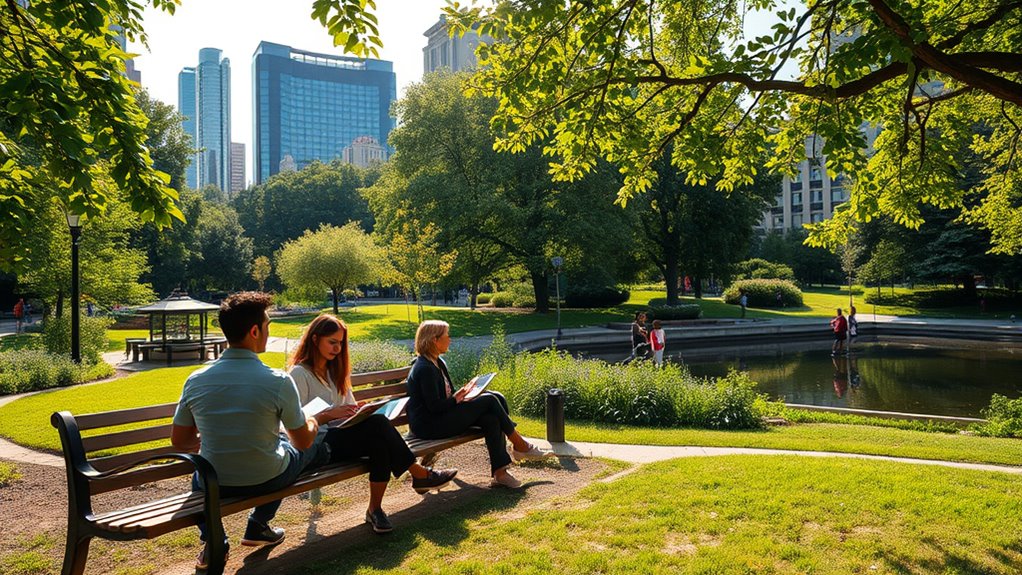
Urban design plays a crucial role in shaping our mental health and well-being. When urban areas become densely populated, stress and anxiety often rise, impacting your daily life.
High noise levels can disrupt your sleep and increase stress, while air pollution adds another layer of anxiety. Social isolation, influenced by design, can lead to feelings of loneliness that affect your mental state.
Additionally, economic disparities in urban environments can limit your access to resources, further impacting your well-being. By recognizing these connections, you can advocate for designs that foster community interaction, reduce noise and pollution, and create safe, inclusive spaces.
Prioritizing mental health in urban planning can significantly enhance your overall quality of life.
The Role of Green Spaces in Promoting Mindfulness
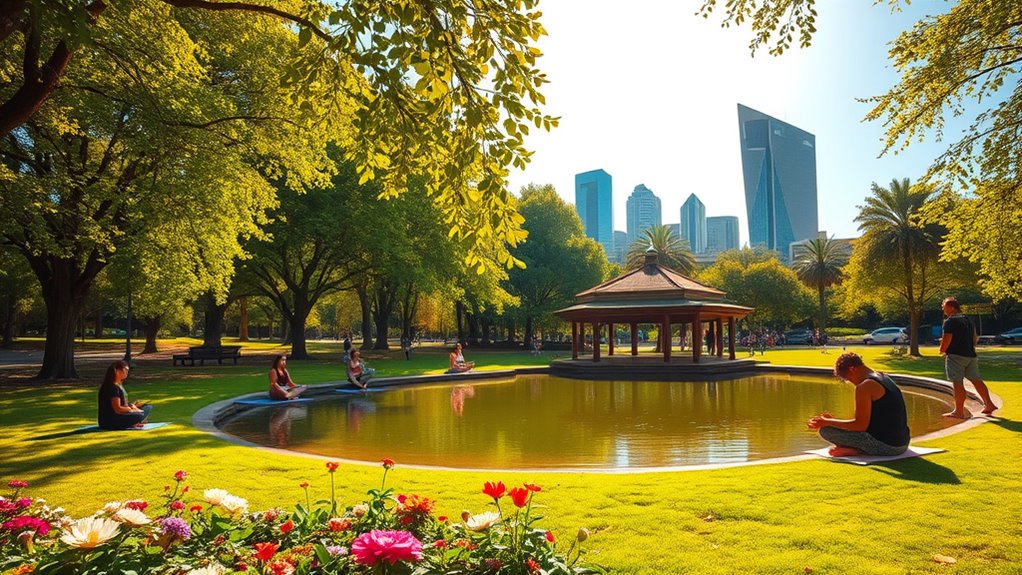
While city life can often feel overwhelming, integrating green spaces into urban environments offers a sanctuary for mindfulness and mental well-being.
These areas significantly reduce stress by lowering cortisol levels, helping you relax amid the hustle. Exposure to nature enhances your awareness, promoting a mindful presence that enriches everyday life.
Green spaces also foster social connections, combating urban isolation and supporting your mental health. Engaging in activities like walking or yoga in these settings facilitates emotional processing and boosts your overall vitality.
Additionally, the calming environment of parks provides therapeutic benefits, encouraging a digital detox and improving focus. Camping locations offer a variety of environments that can enhance this mindfulness experience, allowing individuals to reconnect with nature on a deeper level.
Incorporating Neuroscientific Approaches in Urban Planning
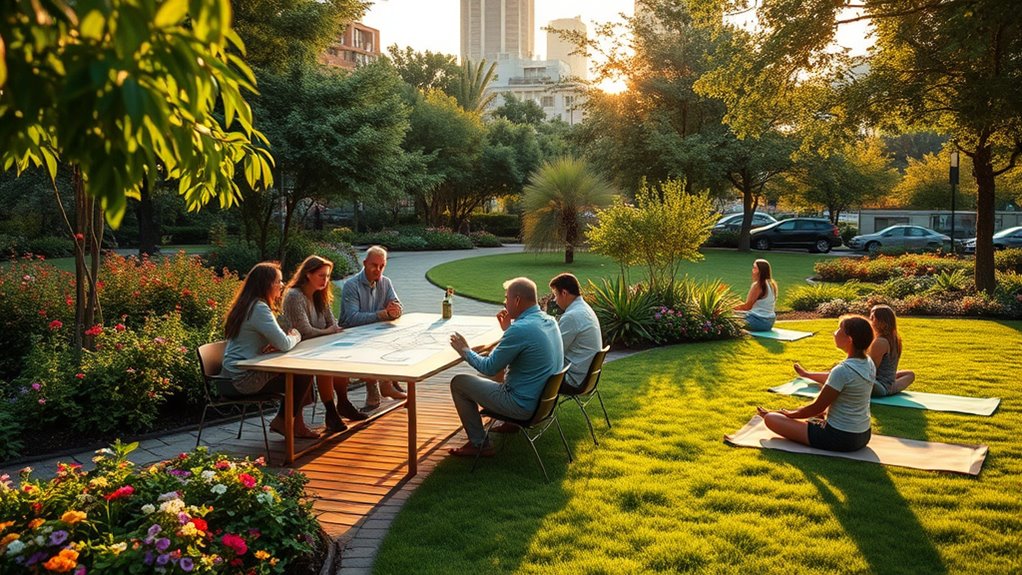
As cities evolve, incorporating neuroscientific approaches into urban planning becomes essential for creating spaces that promote well-being. You can leverage neurourbanism to understand how environments affect the brain and behavior.
Techniques like fMRI measure brain activity, helping you predict visitation patterns and preferences. By focusing on the brain’s reward system, particularly the vmPFC, you can make informed decisions that enhance urban experiences.
Insights from neuroscience guide the design of livable, sustainable cities tailored to human responses. As you integrate these approaches, you’ll develop more enriching urban environments, fostering a sense of community and improving individual well-being.
Emphasizing this connection between design and brain function is vital for future urban planning strategies.
Strategies for Creating Inclusive and Accessible Urban Spaces
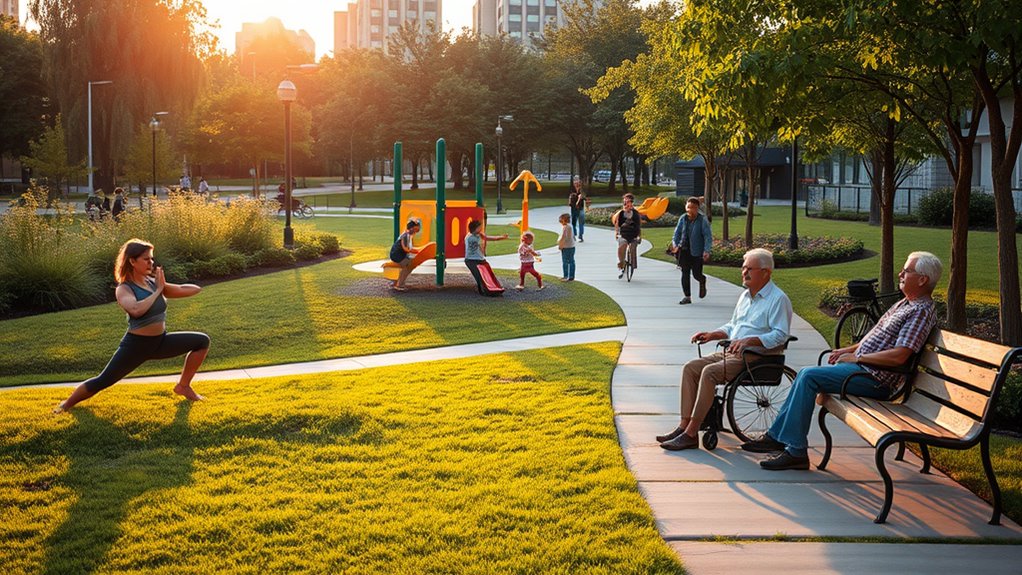
Understanding how environments impact well-being naturally extends to creating inclusive and accessible urban spaces. To achieve this, you should prioritize inclusive design principles that cater to diverse user needs, fostering social cohesion.
Engage with community members from various backgrounds to ensure public spaces reflect their aspirations. Incorporate essential accessibility features like ramps, elevators, and tactile paving for those with disabilities.
Don’t forget digital accessibility—making online platforms easy to navigate enhances user experiences. Acknowledge cultural heritage in your designs to create welcoming environments.
Using innovative technologies, such as augmented reality, can further enhance interaction. Finally, ensure clear signage for navigation, promoting equitable access to information.
These strategies will help you create spaces that truly serve everyone.
Overcoming Challenges in Mindful Urban Design
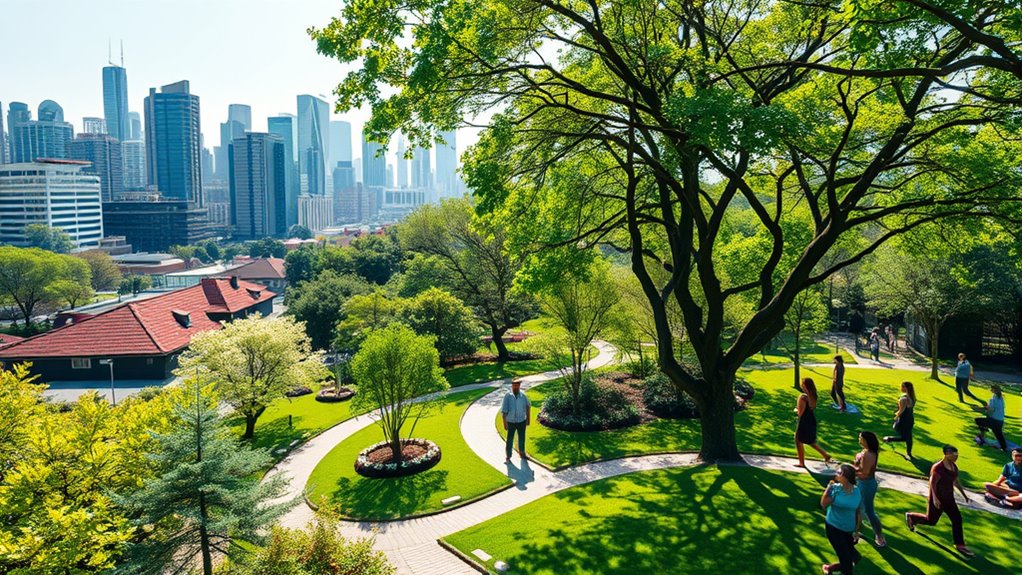
Overcoming challenges in mindful urban design requires a proactive approach that addresses both environmental and social factors affecting residents’ well-being.
You can tackle noise pollution and air quality by prioritizing green spaces and incorporating noise-reducing materials. To combat traffic congestion, design walkable neighborhoods that encourage physical activity.
Create mixed-use developments that foster community interaction and reduce social isolation. Incorporate quiet spaces to help manage urban overstimulation, providing areas for reflection and relaxation.
Engage the community in the design process, ensuring that public spaces meet their needs. By embracing these strategies, you can create urban environments that not only function well but also promote mental health and enhance quality of life for all residents.
Future Directions for Enhancing Mindfulness in Urban Environments
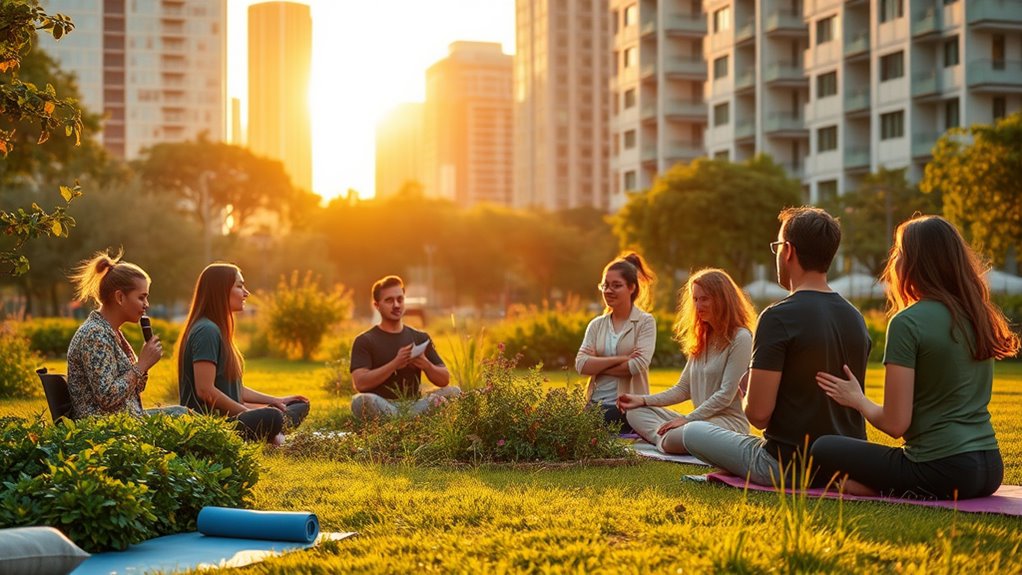
While urban environments continue to grow and evolve, enhancing mindfulness within these spaces is more important than ever. You can prioritize nature-based solutions by integrating green spaces and community gardens, which promote mental health.
Consider designing contemplative landscapes with water features and harmonious colors to foster relaxation. Sustainable infrastructure, like renewable energy sources, supports mindful development. Use inhabitable bridges as cultural landmarks to connect nature and people.
Design tranquil landscapes with water features and sustainable infrastructure to create harmonious urban spaces that promote relaxation and connection.
Engage your community by creating walkable neighborhoods and hubs that encourage interaction. Incorporate technology to assess the impact of urban design on mental health.
Finally, adopt global best practices in mindful urban planning to ensure accessibility and inclusivity, paving the way for healthier, more connected urban spaces.
Frequently Asked Questions
How Can Urban Planners Measure Mindfulness in Design Effectiveness?
To measure mindfulness in design effectiveness, you can utilize various assessment tools.
Consider employing self-reported surveys to gather emotional responses and gauge well-being. Incorporate brain activity measures, like EEG, to assess relaxation levels in different environments.
Evaluate the visual quality of spaces and use participatory design processes to ensure community needs are met.
What Are Some Examples of Successful Mindful Urban Projects?
You’ll find several successful mindful urban projects that stand out.
For instance, The Mill District in North Amherst creates community spaces that promote compassion and inclusion.
Similarly, Bhutan’s Mindfulness City emphasizes sustainability and happiness through nature-integrated design.
Inhabitable bridges not only connect communities but also serve cultural purposes.
These projects illustrate how intentional design fosters well-being and community engagement, proving that mindfulness can significantly enhance urban living experiences.
How Does Culture Influence Mindfulness in Urban Design?
Culture significantly shapes mindfulness in urban design by embedding local traditions and values into spaces.
You’ll find that incorporating cultural motifs and engaging communities in planning fosters a sense of belonging.
When you preserve historical sites, you maintain a cultural identity that resonates with residents.
Additionally, designs that harmonize with nature reflect cultural values of coexistence, enhancing mindfulness and creating environments that promote community well-being and ecological awareness.
What Role Do Local Governments Play in Promoting Mindful Urban Planning?
You might think local governments don’t care about community needs, but they play a crucial role in promoting mindful urban planning.
By establishing policies that prioritize green spaces and inclusive practices, they create environments that enhance well-being. Engaging residents through surveys and meetings fosters a sense of belonging, ensuring spaces reflect their desires.
When local governments collaborate and invest in sustainable initiatives, they build resilient communities that thrive together.
How Can Urban Planners Involve Children in Mindfulness Initiatives?
You can involve children in mindfulness initiatives by creating interactive programs that blend play and education.
Encourage them to participate in workshops where they explore their surroundings and express their thoughts on urban spaces.
Incorporate nature-based activities that promote relaxation and awareness.
Collaborate with local schools to integrate mindfulness practices into curricula, and design engaging urban spaces that inspire creativity and connection, helping children feel more invested in their communities.
Conclusion
Incorporating mindfulness into urban planning isn’t just beneficial; it’s essential. Studies show that access to green spaces can reduce stress levels by up to 30%. By prioritizing mental health in your designs, you create environments that foster well-being and community connection. Embrace innovative strategies to make urban spaces more inclusive and accessible. Remember, mindful design not only enhances the urban experience but also transforms lives, making cities healthier and more vibrant for everyone.
Products Worth Considering
As an affiliate, we earn on qualifying purchases.