
TL;DR

Get the little things that make your day delivered free with Prime
- Fast, free delivery on millions of items
- Prime Video, Amazon Music and more included
- Member-only deals all year
A Michigan county has introduced a legal self-help kiosk aimed at improving access to legal resources for residents. The installation is confirmed, but broader impacts and future plans remain uncertain.
A Michigan county has confirmed the installation of a legal self-help kiosk designed to assist residents with common legal procedures and document preparation. This development aims to improve access to justice and streamline legal aid at the local level, making it a notable step in community-based legal support.
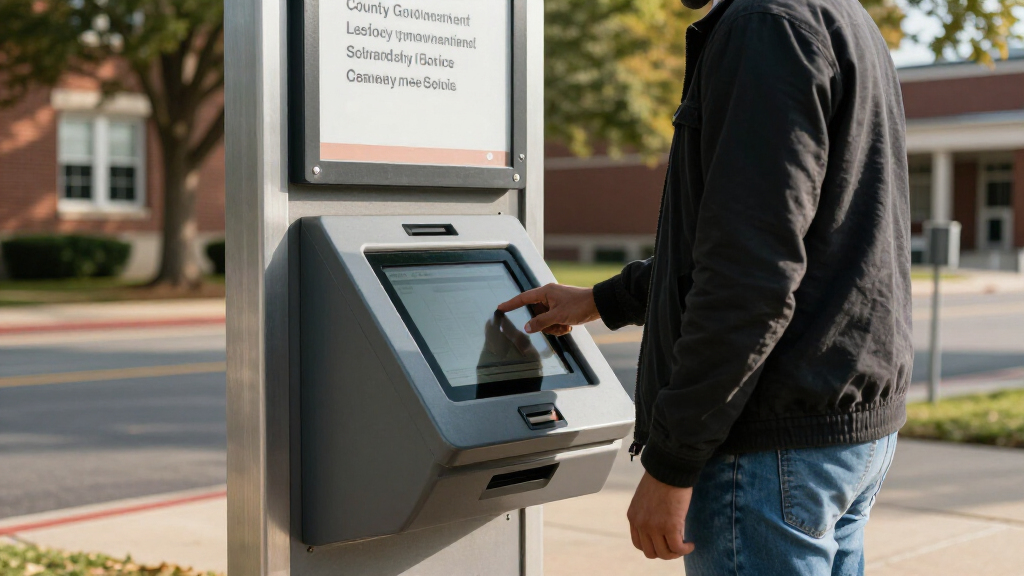
The county announced the deployment of the self-help kiosk earlier this month, with officials stating that it provides guided assistance for legal processes such as filing for guardianship, eviction notices, and small claims documentation. The kiosk is located in a publicly accessible area within the county government building, and is intended to serve residents who might otherwise face barriers to legal assistance due to cost or lack of access to legal counsel.
According to county officials, the kiosk features interactive touchscreens and easy-to-understand instructions, along with links to online legal resources. The project was funded through a combination of local government funds and grants aimed at expanding access to justice. While the installation has been confirmed, details about the kiosk’s usage rates and long-term funding are still emerging.
Potential Impact on Local Legal Access
This initiative could significantly improve access to legal resources for residents who face barriers such as financial constraints or limited legal literacy. By providing guided assistance and reducing reliance on costly legal services, the kiosk has the potential to empower individuals to manage legal matters independently, which could lead to more equitable outcomes in civil cases and dispute resolution.
Legal experts and advocates see this as part of a broader trend toward leveraging technology to bridge gaps in justice access, especially at the local level. However, the actual impact remains to be seen, as usage data and feedback from the community are still pending.
Growing Trend of Local Legal Support Technologies
Over recent years, there has been increasing interest in deploying technology-based solutions to improve access to legal aid. Self-help centers, online portals, and kiosks have been implemented in various jurisdictions, often supported by state or federal grants. The trend is driven by the recognition that many residents cannot afford private attorneys and that traditional legal aid services are often overwhelmed.
While the concept of legal self-help kiosks is not new, their adoption has accelerated, especially during the COVID-19 pandemic, which highlighted the need for contactless, accessible legal resources. The Michigan county’s installation reflects this ongoing movement, although specific details about the scope and funding of this particular kiosk are still emerging.
Unclear Long-Term Impact and Usage Data
It is not yet clear how frequently the kiosk will be used or whether it will lead to measurable improvements in legal outcomes for residents. Long-term funding and maintenance plans are still under discussion, and community feedback has not yet been fully collected or analyzed.
Monitoring Usage and Expanding Access
County officials plan to monitor the kiosk’s usage over the coming months, collecting data on how residents engage with the resource. If successful, there may be plans to expand similar kiosks to other locations or incorporate additional legal services. Stakeholders will also be watching for community feedback and any need for adjustments or additional support.
Key Questions
What types of legal issues can the kiosk assist with?
The kiosk is designed to help with common civil legal procedures such as filing for guardianship, eviction notices, and small claims documentation, among others.
Is the kiosk available to all residents free of charge?
Yes, the kiosk is publicly accessible and free to use for all residents within the county.
Will the kiosk replace traditional legal aid services?
No, the kiosk is intended to supplement existing legal aid options, providing guided assistance but not replacing comprehensive legal representation.
How will the county evaluate the success of the kiosk?
Officials plan to track usage rates, gather user feedback, and assess whether the kiosk improves legal process outcomes for residents over time.
Are there plans to expand this initiative?
While specific expansion plans have not been announced, officials indicate that successful implementation could lead to additional kiosks or expanded services in the future.
Source: rss
Products Worth Considering
As an affiliate, we earn on qualifying purchases.