
TL;DR

Get the little things that make your day delivered free with Prime
- Fast, free delivery on millions of items
- Prime Video, Amazon Music and more included
- Member-only deals all year
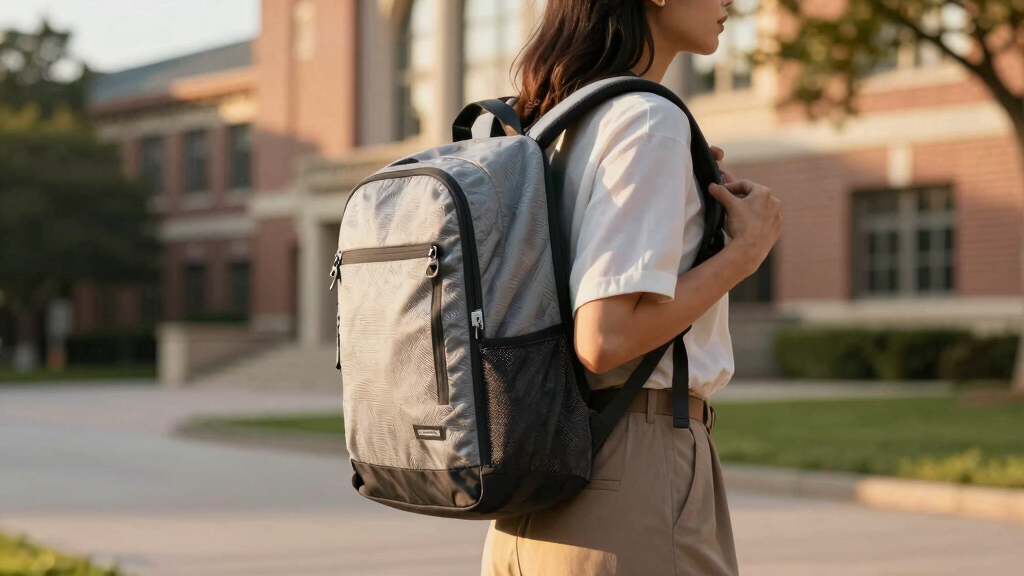
Ergonomic backpacks for students promote better posture and reduce strain. Key features include padded straps, adjustable support, and lightweight, durable materials. Recent innovations make them smarter and more sustainable—making your choice easier.
Imagine hauling a backpack packed with textbooks, a laptop, and supplies. It feels heavy, and often, you just accept the discomfort. But what if your backpack could do more than carry your stuff? What if it could actually support your health?
Choosing an ergonomic backpack isn’t just about style — it’s about protecting your back, shoulders, and posture. In this article, you’ll learn what features make a backpack truly ergonomic, why recent innovations matter, and how to pick one that keeps you comfortable all day long.
Always measure your child’s torso and shoulder width before buying a backpack.
Look for adjustable straps, padded support, and waist belts for the best ergonomic fit.
Lightweight isn’t always better — prioritize durability and support features.
Proper packing and wearing habits make a huge difference in comfort and health.
Latest tech innovations can add safety and convenience, but fit and support remain key.
How to Spot an Ergonomic Backpack That Fits You Perfectly
An ergonomic backpack should feel like a custom fit, not a burden. Look for adjustable shoulder straps that hug your shoulders without digging in. The back panel should contour to your spine, with padding that cushions and supports.
Imagine a backpack that molds to your body, distributing weight evenly. For example, a student with a short torso needs a pack with a shorter torso length, while a taller student benefits from adjustable straps that reach comfortably across their shoulders.
Features like a padded waist belt help transfer weight from shoulders to hips, reducing back strain. When shopping, always try the pack on, load it with some books, and check how it feels after a few minutes.
Understanding why these features matter is crucial. A well-fitted pack reduces uneven weight distribution, which is a common cause of muscle fatigue and postural problems. If a pack is too tight, it can restrict movement and cause discomfort; if too loose, it shifts, forcing your muscles to compensate, leading to strain over time. The goal is a snug but comfortable fit that maintains natural posture and minimizes unnecessary effort during carrying.
Top 5 Features to Look for in an Ergonomic Backpack
| Feature | Why It Matters |
|---|---|
| Padded, adjustable straps | Relieves shoulder pressure and allows customization for comfort. Properly adjusted straps ensure the weight is evenly distributed, preventing muscle fatigue and postural issues that can develop over time. They also accommodate growth and different body shapes, making the backpack adaptable to your child’s changing needs. |
| Supportive, padded back panel | Contours to your spine, reducing pressure points and promoting good posture. A well-designed back panel not only provides comfort but also encourages proper spinal alignment, which is essential for avoiding long-term back problems. It acts as a buffer against impact and helps maintain natural curves of the spine during movement. |
| Waist and chest straps | Distribute weight more evenly, easing strain on the shoulders and back. These straps transfer some of the load to the hips and chest, which are better equipped to handle weight, reducing fatigue and encouraging proper carrying techniques. They also help stabilize the pack, preventing it from shifting during movement, which can cause discomfort or imbalance. |
| Lightweight, durable materials | Prevents the pack from adding unnecessary weight while lasting through daily wear. Using high-quality, lightweight fabrics ensures the backpack supports the child’s health by reducing total load, but still withstands the rigors of daily use. Durability guarantees longevity, saving money and reducing environmental impact over time. |
| Ventilated back panels | Help reduce sweating and discomfort during long days. Proper ventilation prevents heat buildup, which can cause skin irritation and discomfort, especially in warmer climates or during active use. This feature enhances overall comfort, allowing students to focus on their activities instead of feeling overheated or sweaty. |
Latest Innovations Making Backpacks Smarter and Safer
Today’s ergonomic backpacks go beyond simple comfort. Smart features like built-in USB ports let students charge devices on the go, while anti-theft pockets keep valuables secure.
Eco-friendly materials, like recycled polyester, cut down on waste. Some brands incorporate adjustable frames that adapt to different postures, helping prevent back pain over the long haul.
Imagine a backpack with sensors that monitor how much weight you carry or notify you if your posture isn’t ideal. These innovations make a real difference in health and convenience.
Simple Steps to Choose the Best Ergonomic Backpack for Your Child
- Measure your child’s torso length and shoulder width. Use this info to pick a backpack with appropriate dimensions.
- Check weight limits — the pack should weigh less than 10-15% of their body weight.
- Look for adjustable straps and supportive belts that fit snugly but comfortably.
- Choose lightweight, durable materials with ventilation features.
- Test the backpack with some books inside, and walk around to see how it feels after a few minutes.
Are Lightweight Backpacks Always Better for Your Health?
Not necessarily. While lightweight backpacks reduce the load your muscles carry, they also need to be sturdy enough to support your supplies. The key is balance. A lightweight pack with strong, padded support features often offers the best protection.
For example, a student might choose a pack weighing just 1.5 pounds that still has reinforced seams and ergonomic support. If it’s flimsy, it won’t hold up, and the weight savings won’t matter.
Research shows that the right support is more critical than weight alone. So, prioritize comfort and support over just cutting grams.
How to Properly Carry and Use Your Ergonomic Backpack Daily
Always pack smart — heavier items should go close to your back, centered in the middle of the pack. Use all the compartments to distribute weight evenly.
Wear both straps, not just one, to keep your back aligned. Adjust straps so the pack sits high on your back, not hanging low.
Take breaks if your backpack feels heavy or causes discomfort. Regularly check your posture, keeping your shoulders relaxed and back straight.
For example, a student carrying a heavy textbook can balance the load by using compartments and adjusting straps, reducing shoulder tension.
Frequently Asked Questions
How do I know if a backpack is truly ergonomic?
Look for adjustable, padded straps, a contoured back panel, and support features like waist belts. Always try it on loaded with books, and check how it feels after a few minutes of wear.
What is the maximum weight a backpack should carry?
Experts recommend keeping the load under 10-15% of your child’s body weight to prevent strain and musculoskeletal issues. For example, if your child weighs 100 pounds, their backpack shouldn’t weigh more than 15 pounds.
Are ergonomic backpacks more expensive?
They can be slightly pricier due to better materials and support features, but investing in health is worth it. Many brands now offer affordable options with ergonomic designs.
How often should my child replace their backpack?
Every 1-2 years, or when it shows signs of wear like torn seams or broken zippers. A worn-out pack can lose its ergonomic support and cause discomfort.
Conclusion
Choosing an ergonomic backpack isn’t about style alone — it’s a step toward healthier, happier students. When you focus on fit, support, and smart features, you’re investing in their well-being every school day.
Tomorrow’s backpacks might even monitor your posture or charge your devices, but the basics of good fit and support still matter most. Keep those in mind, and your child will carry their load with comfort and confidence.
Products Worth Considering
ergonomic student backpack with padded straps
As an affiliate, we earn on qualifying purchases.
As an affiliate, we earn on qualifying purchases.