
TL;DR
Ergonomic backpacks distribute weight evenly, reduce strain, and prevent long-term health issues. Look for adjustable straps, padded panels, and lightweight materials to find the best fit for your child.
Imagine your kid lugging around a heavy backpack every day, shoulders hunched, back aching by lunchtime. It’s a familiar scene, but one with real health consequences. The good news? An ergonomic backpack can turn that daily battle into a more comfortable, healthier experience.
In this guide, you’ll learn what makes a backpack truly ergonomic, discover recent innovations, and get practical tips for choosing the right one. Your child’s back will thank you.
Prioritize adjustable straps and padded back panels for customized comfort.
Lightweight, durable materials help reduce unnecessary strain.
Smart features like posture sensors and eco-friendly fabrics are on the rise.
Proper packing and strap adjustment are key to preventing back issues.
Avoid backpacks exceeding 10-15% of your child’s body weight to reduce health risks.
How to Pick a Backpack That Fits Like a Glove
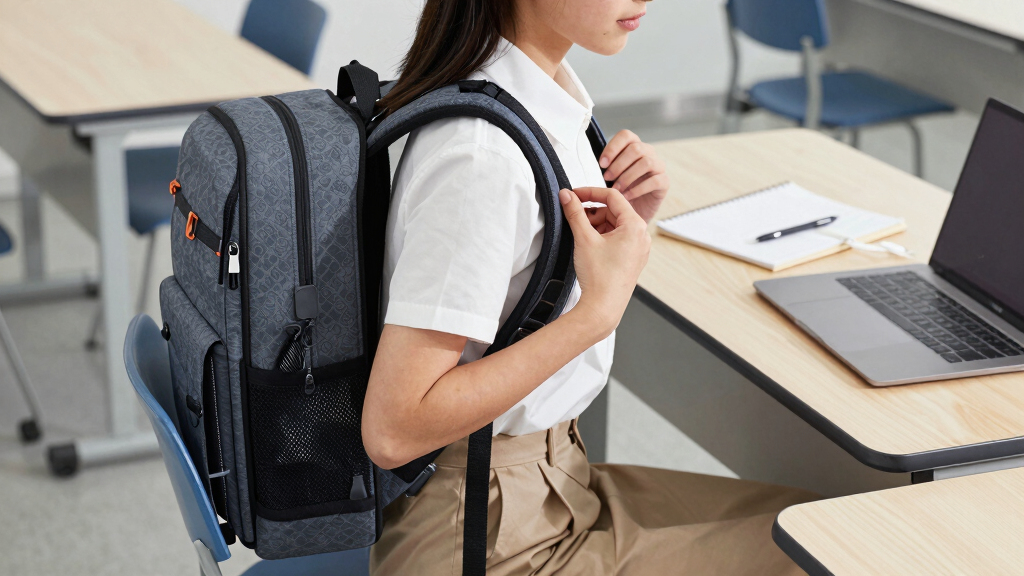
Choosing an ergonomic backpack starts with fit. Think of it as a tailored suit for your child’s back—snug but not tight. Look for adjustable straps that let you customize the fit, especially around the shoulders and waist. Padded back panels cushion the spine, preventing pressure points. The shape should hug the natural curve of the back, not jut out or sag.
For instance, a backpack with padded straps and a contoured back panel distributes weight evenly, reducing pressure on shoulders and lower back. A real-world example: Sarah’s daughter switched to a pack with adjustable straps and immediately noticed less neck tension after a week. Proper fit matters because an ill-fitting backpack can cause uneven weight distribution, leading to muscle strain and postural issues over time. When the load isn’t properly supported, muscles compensate, which can cause fatigue and misalignment that may persist even after the backpack is removed. Therefore, prioritizing fit isn’t just about comfort—it’s about preventing long-term musculoskeletal problems that can affect your child’s growth and daily function.
The Top 5 Features That Make a Backpack Ergonomic
| Feature | Why It Matters |
|---|---|
| Adjustable straps | Allowing customization of fit ensures the backpack sits properly on the back, preventing slipping and uneven weight distribution. This reduces muscle strain and helps maintain good posture throughout the day, especially as children grow or carry different loads. |
| Padded back panels | Providing cushioning and support, these panels conform to the spine’s natural curve, reducing pressure points that can cause discomfort or soreness. Proper padding also helps in absorbing shocks from movement and uneven surfaces, protecting the spine from sudden jolts. |
| Lightweight materials | Using lightweight fabrics minimizes the overall weight of the backpack, which is crucial since heavy loads can cause muscle fatigue and postural problems. Choosing durable yet light materials balances safety and comfort, allowing children to carry what they need without unnecessary strain. |
| Multiple compartments | Distributing weight evenly across different sections prevents concentrated load on one area, reducing the risk of imbalance and back pain. Organized compartments also make it easier for children to access items quickly, encouraging proper packing habits that further support ergonomic health. |
| Reflective elements | While primarily a safety feature, reflective accents ensure visibility in low-light conditions, encouraging children to carry backpacks that are both safe and ergonomic. The added visibility can prevent accidents, especially if the backpack’s design prompts better fit and support. |
For example, a backpack with a padded lumbar area and adjustable chest straps helps distribute the load more evenly across the shoulders and hips. This design reduces localized pressure points, which are often the cause of soreness and fatigue. Think of it as the difference between a poorly fitted bag that causes strain and a well-designed ergonomic pack that supports the entire body evenly, promoting healthy posture and reducing long-term musculoskeletal risks.
What’s New? The Latest in Ergonomic Backpack Tech
Recent developments turn simple backpacks into smart health tools. Some now include built-in charging ports, RFID-blocking pockets, and sensors that monitor weight and posture. Imagine a backpack that alerts your child if it’s too heavy or if they’re slouching—making health a daily part of their routine.
Eco-friendly fabrics like recycled polyester and organic cotton are also gaining ground, catering to environmentally conscious families. Plus, advanced strap systems with chest or waist straps help distribute weight more evenly, reducing shoulder pressure.
For example, brands like North Face and Osprey are pushing into this space, collaborating with ergonomic experts to develop backpacks that adapt to the user, not the other way around. These innovations are addressing the core issues of weight distribution and support, making backpacks not just carriers but health-supporting gear. The tradeoff, however, may be higher costs or added complexity, so parents should weigh the benefits of these features against their child’s specific needs and daily routines.
How to Choose the Perfect Backpack for Your Kid
- Assess your child’s typical load—how many books, gadgets, and supplies do they carry? Understanding the weight and volume helps determine the necessary size and support features to prevent overloading and uneven weight distribution.
- Measure their torso length—this helps match the backpack’s size and strap placement. A poorly fitted pack can cause discomfort and postural issues, so accurate measurements ensure proper support.
- Look for adjustable features—straps, sternum clips, and waist belts. These allow the backpack to adapt as your child grows, maintaining ergonomic support and preventing slippage that can cause uneven weight distribution.
- Prioritize lightweight, durable materials with padded support. A balance must be struck: lightweight for comfort and durability to withstand daily wear, which together help prevent fatigue and injury.
- Check for safety features like reflective accents. Visibility is crucial for safety, but integrating these features into ergonomic designs ensures that safety and support go hand-in-hand, creating a comprehensive approach to health and security.
For instance, if your child carries a 15-inch laptop and several textbooks, a backpack with a dedicated padded laptop compartment and multiple organizational pockets will make packing easier and more ergonomic. Properly designed compartments help keep weight close to the back, reducing strain and promoting better posture during long school days.
What Are the Risks of Ignoring Ergonomics?
Ignoring ergonomic design can lead to back pain, shoulder strain, and even postural problems that stick around. Think of it like overloading a garden hose—the more weight you force through, the more likely it is to kink or burst. When backpacks are poorly designed or improperly fitted, the uneven distribution of weight causes muscles to compensate, leading to fatigue, soreness, and misalignment that can affect daily activities and long-term health.
For example, a student carrying a heavy load with poorly fitted straps might develop neck tension or back soreness that persists for days. Over time, these issues can become chronic, leading to conditions like scoliosis or persistent postural deformities if not addressed early. The risk isn’t just discomfort; it’s potential long-term harm that can impede growth and daily function. Research shows that when backpacks exceed 10-15% of a child’s body weight, the likelihood of musculoskeletal problems rises sharply. This underscores why choosing ergonomic options is essential—not just for comfort, but for safeguarding your child’s health as they grow and develop.
What Should You Do to Keep Your Kid’s Back Safe?
Make sure they carry only what they need. Lighten the load whenever possible. Encourage proper packing—heaviest items close to the back, evenly distributed across compartments.
Help them adjust straps correctly—snug but not tight. Regularly check the fit as they grow. Consider investing in a backpack with padded straps, lumbar support, and reflective safety features.
Most importantly, teach your kids to be aware of how they carry their bags and listen to their bodies. If they complain of pain, don’t ignore it. Seek advice from a healthcare professional if discomfort persists. Developing good habits early can prevent many common back issues, and awareness of proper carrying techniques ensures long-term ergonomic health. Remember, a well-supported back is crucial for healthy growth and daily comfort, so regular checks and education are key to maintaining their back health over time.
Frequently Asked Questions
How do I know if a backpack fits my child properly?
Check that the straps are adjustable and sit snugly without digging in. The backpack should sit high on the back, with the bottom resting in the curve of the lower back. Your child should be able to move comfortably without the bag shifting excessively.
Are ergonomic backpacks more expensive?
They can be slightly pricier, but the investment pays off in health benefits. Look for models with sturdy construction, adjustable features, and padded support—these are worth the extra cost for long-term comfort and safety.
Can ergonomic backpacks prevent existing back pain?
They may alleviate discomfort and stop it from worsening. However, if your child already experiences persistent pain, consult a healthcare provider for personalized advice. An ergonomic backpack is a helpful tool, but not a cure-all.
What if my child prefers a style that isn’t very ergonomic?
Prioritize comfort and fit first. You can find stylish backpacks that still feature ergonomic design elements. It’s better to compromise on style than health, especially for everyday wear.
Conclusion
Choosing an ergonomic backpack isn’t about fancy features—it’s about health. A well-fitting, supportive pack can turn a daily chore into a comfortable, even enjoyable, part of your child’s routine.
Remember, a healthy back starts with the right support. Invest in quality, encourage good habits, and watch your kid carry their load with confidence—and less pain.
Products Worth Considering
ergonomic student backpack with adjustable straps
As an affiliate, we earn on qualifying purchases.
As an affiliate, we earn on qualifying purchases.