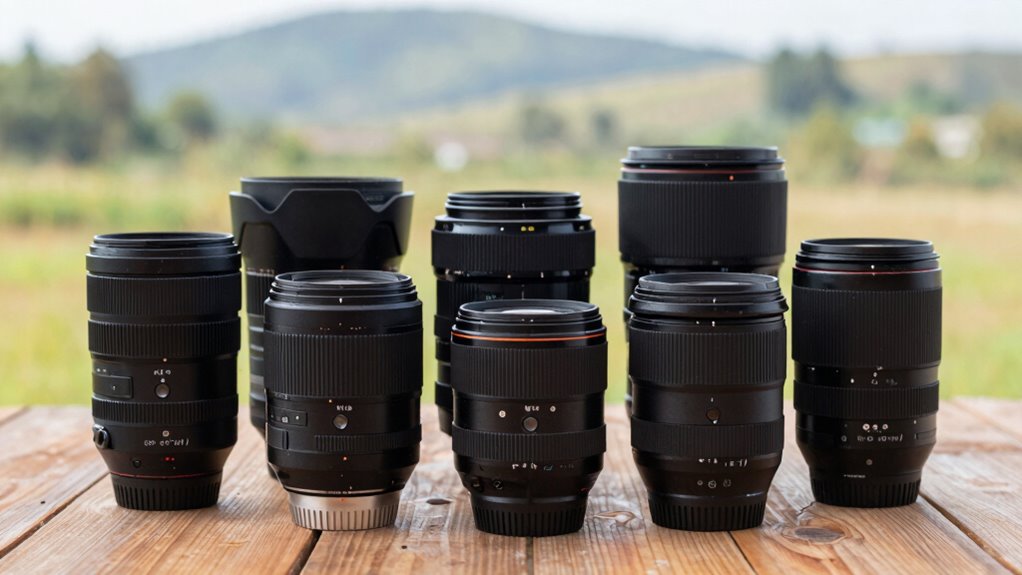

Starting out in photography often means choosing the right lens can feel overwhelming. The best camera lenses for beginners should offer versatility, ease of use, and good image quality without breaking the bank. The Sony FE 50mm F1.8 stands out as a well-rounded option for those wanting sharp portraits and low-light capability. Meanwhile, the Canon EF 50mm f/1.8 STM provides a budget-friendly alternative with similar performance. Many beginner lenses tend to compromise on versatility or build quality, so understanding the tradeoffs is key. Continue reading for a detailed comparison that will help you pick the right lens for your photography journey.

Get the little things that make your day delivered free with Prime
- Fast, free delivery on millions of items
- Prime Video, Amazon Music and more included
- Member-only deals all year
Key Takeaways
- The Sony FE 50mm F1.8 offers excellent image quality and low-light performance, making it ideal for portrait beginners.
- Canon‘s EF 50mm f/1.8 STM provides a budget-friendly option that doesn’t sacrifice too much on clarity or speed.
- Kit lenses like the 18-55mm are versatile but often lack the sharpness and speed needed for more creative shots.
- A good beginner lens balances cost, ease of use, and enough versatility to grow with your skills.
- Prime lenses like 50mm models tend to be simpler for beginners, but zoom kits offer broader framing options at a lower price point.
| Sony FE 50mm F1.8 Standard Lens (SEL50F18F/2), Black |  | Best Overall for Portraits and Bokeh Enthusiasts | Aperture: F1.8 | Mount: E-mount | Focus Type: Standard prime | VIEW ON AMAZON | See Our Full Breakdown |
| Canon EF 50mm f/1.8 STM Lens for Canon EOS DSLR Cameras |  | Best for Low Light and Video Beginners on a Budget | Focal Length: 50mm | Maximum Aperture: f/1.8 | Lens Construction: 6 elements in 5 groups | VIEW ON AMAZON | See Our Full Breakdown |
| Canon EOS 2000D Rebel T7 DSLR Camera with 18-55mm Lens and Accessories Bundle |  | Best All-in-One Beginner Kit with Versatile Accessories | Viewfinder type: Optical | Wi-Fi connectivity: Yes | NFC: Yes | VIEW ON AMAZON | See Our Full Breakdown |
| Canon EOS Rebel T7 DSLR Camera Double Zoom Lens Kit with EF-S 18-55mm and EF 75-300mm Lenses |  | Best for Versatile Zooming and Learning on a Budget | Sensor: 24.1 Megapixel APS-C CMOS | Lens: EF-S 18-55mm and EF 75-300mm | Video Resolution: Full HD 1080p | VIEW ON AMAZON | See Our Full Breakdown |
| Canon EF-S 18-55mm f/3.5-5.6 IS II Lens (Renewed) |  | Best for Budget-Friendly Versatility in a Compact Package | Focal Length: 18-55mm | Maximum Aperture: f/3.5-5.6 | Lens Construction: 16 elements in 12 groups | VIEW ON AMAZON | See Our Full Breakdown |
| Canon EF-S 18-55mm f/3.5-5.6 IS II SLR Lens |  | Best Entry-Level Kit Lens for Versatility | Focal Length: 18-55mm | Maximum Aperture: f/3.5-5.6 | Lens Construction: 16 elements in 12 groups | VIEW ON AMAZON | See Our Full Breakdown |
| camera lenses for beginner | Focal Length | Maximum Aperture | Lens Construction |
|---|---|---|---|
| Sony FE 50mm F1.8 Standard Len | — | — | — |
| Canon EF 50mm f/1.8 STM Lens f | 50mm | f/1.8 | 6 elements in 5 groups |
| Canon EOS 2000D Rebel T7 DSLR | — | — | — |
| Canon EOS Rebel T7 DSLR Camera | — | — | — |
| Canon EF-S 18-55mm f/3.5-5.6 I | 18-55mm | f/3.5-5.6 | 16 elements in 12 groups |
| Canon EF-S 18-55mm f/3.5-5.6 I | 18-55mm | f/3.5-5.6 | 16 elements in 12 groups |
More Details on Our Top Picks
Sony FE 50mm F1.8 Standard Lens (SEL50F18F/2), Black
The Sony FE 50mm F1.8 stands out as a solid choice for beginners who want to explore portraiture and creative depth effects. Its large F1.8 aperture creates stunning background blur, making it ideal for close-up and artistic shots, especially compared to kit lenses that lack such low-light capabilities. While its fixed focal length limits versatility—requiring users to move physically for framing—it offers advanced optical elements that significantly reduce aberrations. The lens’s compact, lightweight design is perfect for portability, but the absence of image stabilization could be a drawback for handheld shooting in low light. Compared to the Canon EF 50mm f/1.8 STM, this Sony lens provides better optical quality but comes at a higher price, which might be a consideration for budget-conscious beginners.
Pros:- Large F1.8 aperture enables beautiful background blur and shallow depth of field
- Compact, lightweight design enhances portability for everyday carry
- Advanced optical elements effectively control aberration and distortion
Cons:- Fixed focal length limits framing flexibility compared to zoom lenses
- No built-in image stabilization, which may affect handheld shots in low light
Best for: Beginners passionate about portrait and artistic photography who prioritize image quality and portability.
Not ideal for: Travelers needing a versatile zoom lens or those seeking built-in stabilization for all shooting conditions.
- Aperture:F1.8
- Mount:E-mount
- Focus Type:Standard prime
- Design:Compact, lightweight
- Elements:Aspherical element, Double-gauss configuration
Our verdict“This lens suits beginners who want high-quality portraits and don’t mind moving physically to frame their shots.”
Canon EF 50mm f/1.8 STM Lens for Canon EOS DSLR Cameras
The Canon EF 50mm f/1.8 STM makes an excellent entry point for those starting with DSLR photography, especially compared to zoom kits that lack a bright aperture. Its f/1.8 maximum aperture shines in low-light settings and helps create professional-looking backgrounds with soft bokeh. The near-silent STM autofocus motor ensures smooth operation during video recording, a feature not always present in basic kit lenses. Its compact size and light weight make it easy to carry around, but the fixed focal length can feel limiting if you prefer framing flexibility. Although build quality is decent, it doesn’t match the sturdiness of higher-end lenses, and the 49mm filter size might be less common for some users. Overall, it balances quality and affordability but sacrifices versatility.
Pros:- Bright f/1.8 aperture excellent for low-light and shallow depth effects
- Near-silent STM autofocus ideal for video recording
- Lightweight and compact for easy handling and portability
Cons:- Fixed focal length limits framing options compared to zooms
- Requires 49mm filters, which may be less common and slightly more expensive
Best for: Beginners seeking a budget-friendly lens for portraiture, low-light shooting, and casual videography.
Not ideal for: Travelers or wildlife photographers who need zoom capability and rugged build for varied conditions.
- Focal Length:50mm
- Maximum Aperture:f/1.8
- Lens Construction:6 elements in 5 groups
- Diagonal Angle of View:46°
- Closest Focusing Distance:1.15 ft / 0.35 m
- Filter Size:49mm
Our verdict“This lens is perfect for beginners on a budget who want to excel in portrait and low-light photography with smooth video functionality.”
Canon EOS 2000D Rebel T7 DSLR Camera with 18-55mm Lens and Accessories Bundle
This bundle offers a complete setup for those just starting out, combining the Canon EOS 2000D Rebel T7 with an 18-55mm kit lens and a variety of accessories. The inclusion of multiple lenses and extras makes it more versatile than single-lens options like the Canon EF 50mm f/1.8, ideal for users wanting to explore different genres without additional purchases. Its 24.1 MP sensor delivers sharp images, and built-in Wi-Fi and NFC simplify sharing. However, being a renewed product might come with warranty concerns, and the bundle could be overwhelming for casual shooters who only want a simple camera. While the kit covers many needs, it’s less portable and more complex than a dedicated prime lens setup.
Pros:- Includes multiple lenses and accessories for versatile shooting
- Wireless connectivity for easy sharing and remote control
- Reliable DSLR performance suitable for learning photography fundamentals
Cons:- Bulkier setup compared to standalone lenses or compact cameras
- Potentially overwhelming for users who only want basic photography
Best for: Beginners seeking a comprehensive starter kit to experiment with various photography styles and social sharing.
Not ideal for: Minimalists or travelers who prefer a lightweight, less complicated camera without multiple accessories.
- Viewfinder type:Optical
- Wi-Fi connectivity:Yes
- NFC:Yes
- Included accessories:SanDisk 32GB Card, Tripod, Case, Wide-angle Lenses, 20-piece bundle
Our verdict“This bundle fits beginners eager to experiment with different styles and accessories but may be too much for those seeking simplicity.”
Canon EOS Rebel T7 DSLR Camera Double Zoom Lens Kit with EF-S 18-55mm and EF 75-300mm Lenses
The Canon Rebel T7 with dual zoom lenses provides a flexible setup for beginners who want to explore a variety of subjects, from landscapes to distant wildlife. Its 24.1 MP APS-C sensor offers detailed images, and the included 18-55mm and 75-300mm lenses cover most typical shooting scenarios. Compared to prime lens options like the Sony FE 50mm F1.8, this kit sacrifices some low-light and background blur capabilities but gains significant versatility. The 9-point autofocus system is adequate for beginners, though it’s less precise than higher-end models. The absence of 4K video limits some creative options, but overall, it’s a strong starter kit for those wanting zoom flexibility without breaking the bank.
Pros:- Includes two versatile zoom lenses for wide and telephoto shots
- High-resolution sensor captures detailed images
- Built-in Wi-Fi and NFC facilitate easy sharing
Cons:- Limited autofocus points may impact quick focusing in complex scenes
- No 4K video recording available
Best for: Beginners who want to learn multiple styles of photography without investing in several lenses separately.
Not ideal for: Those primarily interested in portraiture or low-light indoor photography who need a faster prime lens.
- Sensor:24.1 Megapixel APS-C CMOS
- Lens:EF-S 18-55mm and EF 75-300mm
- Video Resolution:Full HD 1080p
- Wi-Fi:Yes
- NFC:Yes
- Built-in Flash:Yes
Our verdict“This kit is ideal for beginners wanting to explore different subjects with zoom lenses at an affordable price, despite some autofocus limitations.”
Canon EF-S 18-55mm f/3.5-5.6 IS II Lens (Renewed)
The Canon EF-S 18-55mm f/3.5-5.6 IS II offers a practical zoom range for beginners, especially when paired with entry-level DSLR kits like the Rebel T7. Its inclusion of image stabilization helps produce sharper images in lower light or handheld situations, making it a reliable starter lens. Compared to prime options like the Canon EF 50mm f/1.8, it provides more framing flexibility but lacks the same low-light prowess and background blur. Its plastic build keeps it lightweight but might feel less durable over time. Ideal for casual shooting, this lens offers a good balance of affordability and functionality, though the variable aperture can be limiting in dim environments.
Pros:- Versatile focal length suitable for various scenes
- Image stabilization improves sharpness in handheld shots
- Lightweight and compact for easy carrying
Cons:- Maximum aperture f/3.5-5.6 limits low-light performance
- Plastic construction may feel less durable
Best for: Beginners needing a versatile, lightweight zoom lens suitable for everyday photography and learning the basics.
Not ideal for: Photographers who want to focus on low-light indoor or portrait work, where faster primes excel.
- Focal Length:18-55mm
- Maximum Aperture:f/3.5-5.6
- Lens Construction:16 elements in 12 groups
- Focus Adjustment:Gear-driven
- Diagonal Angle of View:74°20′ – 7°50′
Our verdict“This lens is a practical choice for beginners seeking a lightweight, versatile zoom for day-to-day photography on a budget.”
Canon EF-S 18-55mm f/3.5-5.6 IS II SLR Lens
The Canon EF-S 18-55mm f/3.5-5.6 IS II stands out for offering a broad focal range that covers most beginner needs, making it a practical choice over specialized lenses like the Sony FE 50mm F1.8 which excels in low-light and portrait shots but lacks versatility. This lens incorporates UD-glass and aspherical elements to enhance image clarity across its zoom range, a significant step up from basic kit lenses lacking such features. However, its limited maximum aperture means it struggles in low-light conditions, and the absence of image stabilization could lead to softer images in handheld shots. Compared to the renewed version, this new model provides peace of mind with factory freshness but retains the same core limitations. This lens makes the most sense for beginners wanting an all-in-one solution for everyday photography without the complexity of advanced features.
Pros:- Versatile focal length suitable for landscapes, portraits, and everyday shots
- Includes UD-glass and aspherical elements for improved image quality
- Brand new, unused condition offers reliability and peace of mind
Cons:- Limited maximum aperture (f/3.5-5.6) reduces low-light capability
- No mention of image stabilization, risking softer handheld images
- Designed specifically for APS-C sensors, limiting full-frame compatibility
Best for: Beginners who want a versatile, all-purpose lens for general photography on APS-C DSLR cameras
Not ideal for: Photographers seeking low-light performance or specialized portraits, as the narrow maximum aperture limits creative options in challenging conditions
- Focal Length:18-55mm
- Maximum Aperture:f/3.5-5.6
- Lens Construction:16 elements in 12 groups
- Includes:UD-glass, aspherical lenses
- Focus Adjustment:Gear-driven
- Compatibility:APS-C Canon EOS DSLR cameras
Our verdict“This lens suits beginners looking for an affordable, flexible option for general photography, accepting its limitations in low-light and stabilization.”
How We Picked
Our selection process focused on lenses that are widely compatible with popular beginner cameras, emphasizing ease of use and value. We prioritized lenses that offer good optical quality, reliable autofocus, and manageable size for new photographers. Cost was a key factor, but we also considered build quality and the potential for growth as skills improve. The ranking reflects a balance between affordability and performance, ensuring beginners get the best starting point without overwhelming complexity or cost. We compared features, user reviews, and brand reputation to identify options that truly serve those just starting out in photography.| camera lenses for beginner | Maximum Aperture |
|---|---|
| Sony FE 50mm F1.8 Standard Len | — |
| Canon EF 50mm f/1.8 STM Lens f | f/1.8 |
| Canon EOS 2000D Rebel T7 DSLR | — |
| Canon EOS Rebel T7 DSLR Camera | — |
| Canon EF-S 18-55mm f/3.5-5.6 I | f/3.5-5.6 |
| Canon EF-S 18-55mm f/3.5-5.6 I | f/3.5-5.6 |
Factors to Consider When Choosing Camera Lenses For Beginners
Choosing a camera lens as a beginner involves more than just picking the most popular model. It’s essential to understand what types of lenses suit different styles and situations, as well as how features like aperture and focal length influence your photos. This guide covers key factors to consider for making a smart, future-proof investment, avoiding common pitfalls that can limit your creative options or lead to unnecessary expenses.Focal Length and Versatility
For beginners, a standard 50mm prime lens often strikes the best balance between simplicity and creative freedom. It mimics the natural perspective of the human eye, making it ideal for portraits, street photography, and everyday shots. Zoom lenses, like the 18-55mm kit, offer more flexibility in framing but tend to be bulkier and sometimes less sharp. Consider what you want to shoot most often, and choose a focal length that matches your style—getting a versatile zoom can be a good starting point, but a prime lens can help you master specific photography skills more quickly.
Aperture and Low-Light Performance
Look for lenses with a wide maximum aperture, such as f/1.8 or f/2.8, especially if you plan to shoot indoors or in low-light conditions. Larger apertures allow more light to reach the sensor, making your images brighter and more focused with pleasing background blur. Prime lenses generally offer larger apertures at a lower cost, which is a big plus for beginners seeking more control over depth of field. Be cautious with kit lenses that have narrower maximum apertures, as they can limit your options in dim environments and may require additional lighting equipment.
Compatibility and Mount Type
Matching your lens to your camera’s mount is fundamental; using the wrong type can lead to frustration or additional costs. Entry-level DSLRs and mirrorless cameras often have specific mounts, so check compatibility before purchasing. Some lenses are designed for full-frame cameras but work well on crop sensors, offering a bit more versatility. If you’re unsure about future upgrades, choosing a lens compatible with both crop and full-frame cameras can be a smart move, providing more flexibility as your skills and gear evolve.
Budget and Long-Term Value
While it’s tempting to buy the cheapest lens available, investing a little more often yields better quality and durability, especially for a beginner who might want to grow into their gear. Prime lenses like the 50mm f/1.8 are usually affordable and offer excellent image quality, making them a smart entry point. However, consider the potential need for zoom flexibility—if you prefer a single versatile lens, a budget zoom might serve you better initially, even if it compromises slightly on sharpness. Think about how your needs might change over time and choose a lens that offers good value for the price.
Ease of Use and Autofocus
Beginners benefit from lenses with fast and reliable autofocus, which makes capturing sharp images easier. Simpler lens controls and minimal manual adjustment reduce frustration and help you focus on learning composition and technique. Prime lenses with wide apertures tend to have quicker autofocus due to their simplified design. Avoid overly complex or manual-focus-only lenses unless you’re specifically interested in learning manual techniques, as beginner shooters often prefer lenses that do the heavy lifting for them in terms of focus accuracy and speed.
Frequently Asked Questions
Should I get a zoom lens or a prime lens as a beginner?
Choosing between a zoom and a prime lens depends on your shooting style and goals. Zoom lenses, like the 18-55mm kit, offer flexibility to frame different scenes without changing lenses, which is convenient for everyday photography. Prime lenses, such as the 50mm f/1.8, often deliver sharper images and better low-light performance but lack zoom capability. For beginners, a zoom can be more versatile while you’re still exploring your interests, but investing in a prime later on can help you develop more precise control over composition and focus.Is an aperture of f/1.8 really necessary for beginners?
A wide aperture like f/1.8 provides significant benefits, especially for shooting in low-light conditions and creating a pleasing background blur. While not strictly necessary, having a lens with such an aperture gives beginners more creative options and reduces the need for additional lighting gear. However, lenses with smaller maximum apertures, like f/3.5-5.6, are usually more affordable and still suitable for well-lit scenes. It’s worth considering whether you anticipate shooting indoors or in dim settings, as it can influence your choice.Can I use a crop sensor lens on a full-frame camera?
Lenses designed for crop sensors (APS-C or smaller) can often be used on full-frame cameras, but they may introduce vignetting or require cropping in the final image. If you have a crop sensor camera, most lenses labeled for that format will work perfectly. When upgrading to a full-frame body, check if the lens is compatible; some lenses are specifically designed for crop sensors and may not perform optimally on full-frame cameras. Planning your gear around your camera type helps ensure consistent quality and avoids compatibility issues.How important is build quality for a beginner lens?
Build quality matters because a well-constructed lens lasts longer and withstands daily use better. For beginners, a durable, lightweight lens makes handling easier and reduces fatigue during extended shoots. Cheaply made lenses might feel flimsy and are more prone to damage or misalignment over time. Investing in a solidly built lens, even if it costs a bit more, can save frustration and money in the long run, especially as you start to take your photography more seriously.When should I upgrade from a beginner lens?
Upgrading from a beginner lens is usually driven by specific needs, such as wanting sharper images, better low-light performance, or more zoom range. If you find yourself consistently wanting better quality or more creative control, it’s a sign to consider an upgrade. Also, if your current lens feels limiting or isn’t compatible with new camera bodies, it’s time to explore higher-end options. Upgrading gradually allows you to learn what features matter most to your style, helping you make informed choices for future gear investments.Conclusion
For those just starting out, the Sony FE 50mm F1.8 offers a perfect blend of quality, affordability, and ease of use, making it the best overall pick. Beginners on a tight budget will appreciate the Canon EF 50mm f/1.8 STM for its balance of performance and price. If versatility is your priority, a kit lens like the 18-55mm remains a practical choice, especially when paired with a good prime later. For more advanced beginners ready to invest, premium options with larger apertures or better build quality can accelerate skill development. Ultimately, your choice should align with your preferred subjects and long-term goals as a photographer.
NFL season / tailgating Picks
team gear
As an affiliate, we earn on qualifying purchases.