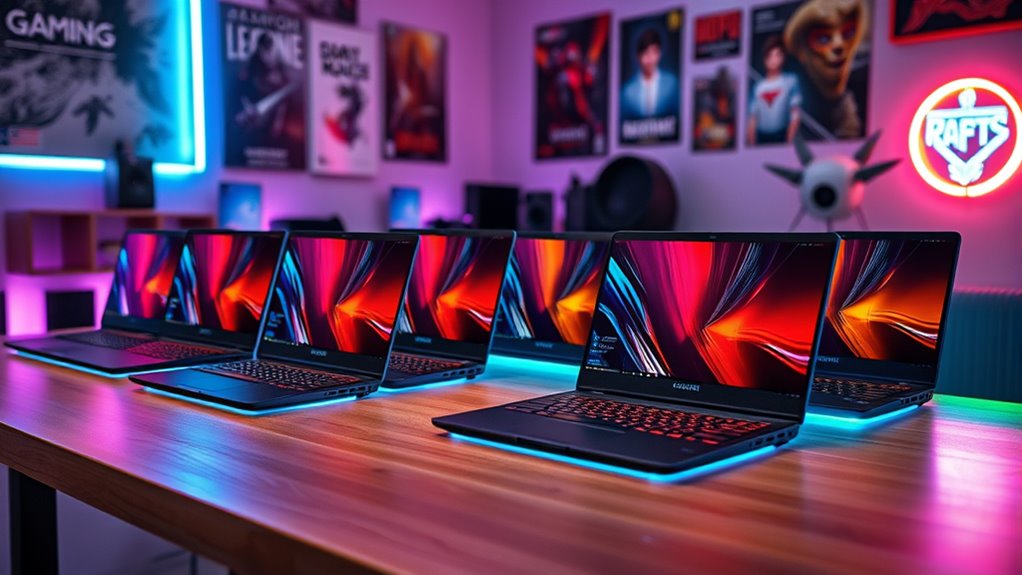

For a budget gaming laptop, the Acer Nitro V 15 is my best overall pick here because its GeForce RTX 5050 and 165Hz display give it the clearest gaming focus. The Lenovo LOQ Essential is a strong alternative for shoppers who want dedicated RTX 4050 graphics, while the KAIGERR RX16 offers a larger screen and capable Ryzen 7 processor without a listed discrete GPU. The main tradeoff is between dedicated graphics for demanding games and integrated graphics paired with more memory or storage. Entry-level configurations with 8GB RAM or small SSDs may also need upgrades sooner. Read on for how the nine options compare and which one fits your gaming priorities.

Get the little things that make your day delivered free with Prime
- Fast, free delivery on millions of items
- Prime Video, Amazon Music and more included
- Member-only deals all year
Key Takeaways
- Acer Nitro V 15 leads for gaming: Its RTX 5050 and 165Hz screen set it apart from every listed model relying on Radeon 660M integrated graphics or an unspecified graphics solution.
- Lenovo LOQ Essential is the other clear dedicated-GPU option: Its RTX 4050 suits buyers who want discrete graphics, but the listed 8GB RAM is a notable starting limitation.
- More memory and storage do not replace a gaming GPU: The NIMO N153 pairs 32GB RAM and a 1TB SSD with Radeon 660M, favoring multitasking and a larger game library over graphics performance.
- The KAIGERR Ryzen 7 5700U laptops are productivity-first compromises: Their 16GB RAM and 512GB SSD are useful for everyday use, though the listed specs do not identify a discrete graphics card.
- Several listings share near-identical configurations: The two KAIGERR 5700U models and the two NIMO 6600H 16GB/256GB models differ little on paper, so compare exact listing details and upgrade options before choosing.
| Lenovo 15 Gaming Laptop, AMD Ryzen 5 7535HS, 8GB DDR5, 256GB PCIe SSD |  | Best for Portable Everyday Gaming | Processor: AMD Ryzen 5 7535HS | Memory: 8GB DDR5 | Storage: 256GB PCIe SSD | VIEW ON AMAZON | See Our Full Breakdown |
| KAIGERR LX15PRO 15.6-Inch Laptop with AMD Ryzen 7 5700U, 16GB RAM, and 512GB SSD |  | Best for Upgradeable Everyday Use | Processor: AMD Ryzen 7 5700U, 8 cores/16 threads, up to 4.3GHz | Graphics: AMD Radeon Vega 8 | Display: 15.6-inch IPS; resolution and refresh rate unspecified | VIEW ON AMAZON | See Our Full Breakdown |
| KAIGERR RX16 Gaming Laptop, 16-inch FHD, AMD Ryzen 7 7735HS, 16GB DDR5, 512GB NVMe SSD |  | Best for CPU-Heavy Multitasking | Processor: AMD Ryzen 7 7735HS, 8 cores/16 threads, up to 4.75GHz | Memory: 16GB DDR5, upgradeable to 64GB | Storage: 512GB M.2 NVMe SSD, upgradeable to 4TB | VIEW ON AMAZON | See Our Full Breakdown |
| Acer Nitro V 15.6-Inch FHD 165Hz Gaming Laptop, Intel Core i5-13420H, GeForce RTX 5050, 16GB RAM, 512GB SSD |  | Best Overall for Gaming Performance | Processor: Intel Core i5-13420H, up to 4.6GHz, 8 cores/12 threads | Graphics: NVIDIA GeForce RTX 5050 Laptop GPU, 8GB GDDR7 | Display: 15.6-inch Full HD (1920 × 1080) IPS, 165Hz | VIEW ON AMAZON | See Our Full Breakdown |
| NIMO 15.6″ FHD Gaming Laptop – AMD Ryzen 5 6600H, 16GB DDR5 RAM, 256GB SSD, Radeon 660M |  | Best Compact Integrated-Graphics Pick | Processor: AMD Ryzen 5 6600H, 6 cores, up to 4.5GHz | Graphics: AMD Radeon 660M | Display: 15.6-inch IPS FHD (1920 × 1080) | VIEW ON AMAZON | See Our Full Breakdown |
| NIMO 15.6-Inch Laptop with AMD Ryzen 5 6600H, 16GB DDR5 RAM, and 256GB SSD | 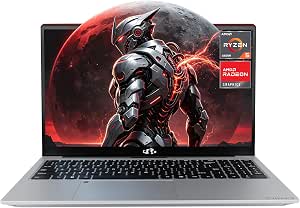 | Best Entry-Level Light Gaming Pick | Display: 15.6-inch FHD (1920 × 1080) | Processor: AMD Ryzen 5 6600H, 6-core | Graphics: Integrated AMD Radeon 660M | VIEW ON AMAZON | See Our Full Breakdown |
| Lenovo LOQ Essential 15.6″ Gaming Laptop – Intel Core i5-12450HX, NVIDIA GeForce RTX 4050, 8GB RAM, 512GB SSD, Luna Grey | 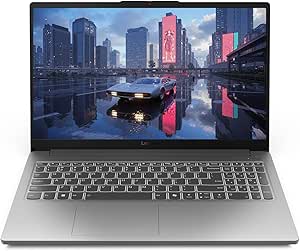 | Best for Dedicated Graphics | Display: 15.6-inch FHD IPS, 144Hz, 300 nits, 100% sRGB | Processor: Intel Core i5-12450HX, 12th Gen | Graphics: NVIDIA GeForce RTX 4050 with DLSS 3 | VIEW ON AMAZON | See Our Full Breakdown |
| KAIGERR 15.6-Inch Laptop with AMD Ryzen 7 5700U, 16GB RAM, and 512GB SSD |  | Best for Everyday Multitasking | Processor: AMD Ryzen 7 5700U, 8 cores and 16 threads, up to 4.3 GHz | Memory: 16GB DDR4 SODIMM | Storage: 512GB M.2 2280 NVMe SSD | VIEW ON AMAZON | See Our Full Breakdown |
| NIMO N153 15.6″ IPS FHD Gaming Laptop – AMD Ryzen 5 6600H, 32GB DDR5 RAM, 1TB SSD, Radeon 660M |  | Best for Memory and Storage | Display: 15.6-inch IPS, 1920 × 1080 | Processor: AMD Ryzen 5 6600H, 6 cores, up to 4.5GHz | Graphics: AMD Radeon 660M integrated graphics | VIEW ON AMAZON | See Our Full Breakdown |
| budget gaming lap2025 | Processor | Memory | Storage | Display |
|---|---|---|---|---|
| Lenovo 15 Gaming Laptop | AMD Ryzen 5 7535HS | 8GB DDR5 | 256GB PCIe SSD | 15.3-inch Full HD+ |
| KAIGERR LX15PRO 15.6-Inch Lapt | AMD Ryzen 7 5700U, 8 cores/16 threads, up to 4.3GHz | 16GB DDR4, expandable to 64GB | 512GB M.2 NVMe SSD, expandable to 2TB | 15.6-inch IPS; resolution and refresh rate unspecified |
| KAIGERR RX16 Gaming Laptop | AMD Ryzen 7 7735HS, 8 cores/16 threads, up to 4.75GHz | 16GB DDR5, upgradeable to 64GB | 512GB M.2 NVMe SSD, upgradeable to 4TB | 16-inch FHD IPS |
| Acer Nitro V 15.6-Inch FHD 165 | Intel Core i5-13420H, up to 4.6GHz, 8 cores/12 threads | 16GB DDR4 | 512GB PCIe Gen 4 SSD | 15.6-inch Full HD (1920 × 1080) IPS, 165Hz |
| NIMO 15.6" FHD Gaming Laptop | AMD Ryzen 5 6600H, 6 cores, up to 4.5GHz | 16GB DDR5, upgradeable | 256GB SSD, upgradeable | 15.6-inch IPS FHD (1920 × 1080) |
| NIMO 15.6-Inch Laptop with AMD | AMD Ryzen 5 6600H, 6-core | 16GB DDR5, expandable dual-channel slot | 256GB PCIe 4.0 SSD | 15.6-inch FHD (1920 × 1080) |
| Lenovo LOQ Essential 15.6" Gam | Intel Core i5-12450HX, 12th Gen | 8GB | 512GB SSD | 15.6-inch FHD IPS, 144Hz, 300 nits, 100% sRGB |
| KAIGERR 15.6-Inch Laptop with | AMD Ryzen 7 5700U, 8 cores and 16 threads, up to 4.3 GHz | 16GB DDR4 SODIMM | 512GB M.2 2280 NVMe SSD | 15.6-inch 1920 × 1080, 60Hz |
| NIMO N153 15.6" IPS FHD Gaming | AMD Ryzen 5 6600H, 6 cores, up to 4.5GHz | 32GB DDR5 | 1TB SSD | 15.6-inch IPS, 1920 × 1080 |
More Details on Our Top Picks
Lenovo 15 Gaming Laptop, AMD Ryzen 5 7535HS, 8GB DDR5, 256GB PCIe SSD
The Lenovo 15 makes the most sense for buyers who need one light laptop for everyday work and lighter gaming. Its Ryzen 5 7535HS and 15.3-inch Full HD+ screen give it a more current, portable feel than the KAIGERR LX15PRO, while WiFi 6 and fast-charging USB-C add useful flexibility away from a desk. The tradeoff is its starting configuration: 8GB of RAM and 256GB of storage leave little room for demanding games or a large library. Unlike the Acer Nitro V, it lists no dedicated graphics card, so buyers seeking stronger performance in modern AAA games should look to that model. I’d rank this Lenovo for mobility and everyday use, not maximum gaming headroom.
Pros:- Lightweight design suits everyday travel
- Ryzen 5 7535HS handles general productivity alongside lighter gaming
- WiFi 6 and Bluetooth 5.3 provide modern wireless connectivity
- USB-C supports fast charging
Cons:- 8GB of RAM may constrain demanding games and multitasking
- 256GB SSD leaves limited space for a game library
- No dedicated GPU is listed
Best for: Students or commuters who want a lightweight laptop for school, daily tasks, and lighter games.
Not ideal for: Players focused on demanding AAA games or keeping a large game library installed, because the listed RAM and SSD capacities are modest.
- Processor:AMD Ryzen 5 7535HS
- Memory:8GB DDR5
- Storage:256GB PCIe SSD
- Display:15.3-inch Full HD+
- Wireless:WiFi 6
- Bluetooth:5.3
- Ports:HDMI, USB Type-C with fast charging
- Battery life:Up to 8+ hours mixed use
Our verdict“Choose the Lenovo for portable daily use and lighter gaming; pick the Acer Nitro V if dedicated graphics matter more.”
KAIGERR LX15PRO 15.6-Inch Laptop with AMD Ryzen 7 5700U, 16GB RAM, and 512GB SSD
The LX15PRO earns a place for buyers who value expandable memory and storage as much as a capable everyday processor. Its Ryzen 7 5700U, 16GB of DDR4, and 512GB NVMe SSD give it a more comfortable starting setup for multitasking than the Lenovo 15, whose 8GB RAM and 256GB drive are tighter. The KAIGERR can also expand to 64GB of memory and 2TB of storage, which gives owners room to adapt later. Its Radeon Vega 8 integrated graphics, however, put it behind the Acer Nitro V for gaming headroom; the display’s resolution and refresh rate are also unspecified. I’d choose it for general computing and lighter games, not for buyers who want a clearly specified gaming screen or dedicated graphics.
Pros:- 16GB DDR4 memory is a roomier starting point than the Lenovo 15’s 8GB
- Memory can be expanded to 64GB
- 512GB NVMe SSD can be expanded to 2TB
- Wi-Fi 6, backlit keyboard, and a broad selection of ports
Cons:- Radeon Vega 8 is integrated graphics, unlike the Acer Nitro V’s dedicated GPU
- Display resolution and refresh rate are not specified
- DDR4 memory is an older generation than the DDR5 in the KAIGERR RX16
Best for: Budget-conscious students or home users who multitask, play lighter games, and want the option to expand memory and storage.
Not ideal for: Players who want dedicated graphics or a specified high-refresh display for competitive gaming.
- Processor:AMD Ryzen 7 5700U, 8 cores/16 threads, up to 4.3GHz
- Graphics:AMD Radeon Vega 8
- Display:15.6-inch IPS; resolution and refresh rate unspecified
- Memory:16GB DDR4, expandable to 64GB
- Storage:512GB M.2 NVMe SSD, expandable to 2TB
- Operating system:Windows 11
- Wireless:Wi-Fi 6 (802.11ax)
- Ports:2 × USB 3.2, HDMI, full-function USB-C, 3.5mm audio/microphone, TF card slot, USB-C DC jack
Our verdict“Pick the LX15PRO for expandable everyday computing and lighter gaming, while the Acer Nitro V is the clearer fit for demanding games.”
KAIGERR RX16 Gaming Laptop, 16-inch FHD, AMD Ryzen 7 7735HS, 16GB DDR5, 512GB NVMe SSD
The RX16 pairs a Ryzen 7 7735HS with 16GB of DDR5, making it the stronger KAIGERR choice for processor-heavy work and multitasking compared with the LX15PRO’s Ryzen 7 5700U and DDR4 memory. Its 16-inch FHD IPS display and dual-fan cooling are aimed at longer sessions, and both memory and storage have substantial upgrade paths. But those features do not establish its gaming performance: no dedicated GPU is listed, and the display’s refresh rate is not specified. The Acer Nitro V is a safer choice for buyers prioritizing graphics performance because it names an RTX 5050 and a 165Hz screen. I’d put the RX16 on this list for its CPU, memory, and expansion potential, with the caveat that its gaming credentials are less clear.
Pros:- Ryzen 7 7735HS offers 8 cores and 16 threads
- 16GB dual-channel DDR5 memory, expandable to 64GB
- Storage can be expanded up to 4TB
- Dual-fan cooling and a 16-inch IPS display
Cons:- No dedicated graphics card is listed
- Display refresh rate is not specified
- 512GB base SSD may fill quickly with large games
Best for: Buyers who want a strong mobile processor, DDR5 memory, and upgrade options for multitasking and lighter gaming.
Not ideal for: Gamers seeking a clearly specified dedicated GPU and high-refresh display for demanding or competitive titles.
- Processor:AMD Ryzen 7 7735HS, 8 cores/16 threads, up to 4.75GHz
- Memory:16GB DDR5, upgradeable to 64GB
- Storage:512GB M.2 NVMe SSD, upgradeable to 4TB
- Display:16-inch FHD IPS
- Wireless:WiFi 6
- Cooling:Dual-fan system
- Keyboard:Backlit
- Ports:Type-C
Our verdict“Choose the RX16 for CPU-focused work and upgradeability; choose the Acer Nitro V when specified gaming graphics are the priority.”
Acer Nitro V 15.6-Inch FHD 165Hz Gaming Laptop, Intel Core i5-13420H, GeForce RTX 5050, 16GB RAM, 512GB SSD
The Nitro V ranks first for buyers who want the clearest gaming setup in this group: an RTX 5050 laptop GPU with 8GB GDDR7, a 165Hz Full HD IPS screen, and 16GB of memory. That makes it a more direct choice for graphics-heavy and fast-paced games than the Lenovo 15 or the integrated-graphics KAIGERR models. Its Thunderbolt 4 USB-C port also adds useful display and charging flexibility. The tradeoff is that it is less focused on portability and battery life than the Lenovo, whose listing gives a mixed-use battery estimate. The provided details also do not specify battery life or upgrade limits. I’d rank the Acer first for gaming because its dedicated GPU and fast screen make its intended use much more explicit.
Pros:- GeForce RTX 5050 laptop GPU with 8GB GDDR7 VRAM
- 15.6-inch Full HD IPS display with 165Hz refresh rate
- 16GB memory and a 512GB PCIe Gen 4 SSD
- USB-C includes DisplayPort, Thunderbolt 4, and charging support
Cons:- 512GB SSD may be limiting for a large installed game library
- Battery life and laptop weight are not specified
- The listed memory is DDR4 rather than the DDR5 used by some alternatives
Best for: Players who want a dedicated GPU and high-refresh 1080p display for a broad mix of PC games.
Not ideal for: Buyers who prioritize a stated long battery life or want the lightest option for frequent travel.
- Processor:Intel Core i5-13420H, up to 4.6GHz, 8 cores/12 threads
- Graphics:NVIDIA GeForce RTX 5050 Laptop GPU, 8GB GDDR7
- Display:15.6-inch Full HD (1920 × 1080) IPS, 165Hz
- Memory:16GB DDR4
- Storage:512GB PCIe Gen 4 SSD
- Operating system:Windows 11 Home
- USB-C:USB 3.2 Gen 2, up to 10Gbps, with DisplayPort, Thunderbolt 4, and charging up to 65W
- Included accessory:Mouse pad
Our verdict“Choose the Nitro V if dedicated graphics and a 165Hz screen matter most for gaming in this roundup.”
NIMO 15.6″ FHD Gaming Laptop – AMD Ryzen 5 6600H, 16GB DDR5 RAM, 256GB SSD, Radeon 660M
The NIMO N153 is a more balanced pick for portable everyday gaming than the Lenovo 15 because it combines a Ryzen 5 6600H with 16GB DDR5, though its 256GB SSD is equally tight. Its integrated Radeon 660M is suitable for lighter gaming, but the Acer Nitro V’s dedicated RTX 5050 makes that model the stronger direction for demanding graphics. NIMO’s practical strengths are its 3.75-pound weight, two full-function Type-C ports, and a physical webcam cover; the 100W Type-C charger also keeps charging convenient. Buyers get a two-year warranty, but should plan for storage expansion if they keep several large games installed. I’d pick it for portability and everyday versatility, not as a substitute for a dedicated-GPU gaming laptop.
Pros:- Ryzen 5 6600H and 16GB DDR5 provide a stronger starting memory setup than the Lenovo 15
- Lightweight at 3.75 pounds
- Two full-function Type-C ports support power, display, and data
- Fingerprint sensor, webcam cover, and two-year warranty
Cons:- 256GB SSD offers little space for a large game library
- Integrated Radeon 660M is less suited to demanding games than the Acer Nitro V’s dedicated GPU
- No display refresh rate is specified
Best for: Traveling students or casual players who want a light laptop for everyday tasks and lighter games, with room to upgrade.
Not ideal for: Players focused on demanding AAA games or those who want ample built-in storage from day one.
- Processor:AMD Ryzen 5 6600H, 6 cores, up to 4.5GHz
- Graphics:AMD Radeon 660M
- Display:15.6-inch IPS FHD (1920 × 1080)
- Memory:16GB DDR5, upgradeable
- Storage:256GB SSD, upgradeable
- Weight:3.75 pounds
- Battery:53.58Wh
- Ports:2 × Type-C with PD, DP, and data; HDMI 2.0; USB 3.2
- Warranty:2 years
Our verdict“Choose the NIMO for a light, upgradeable laptop suited to daily tasks and lighter gaming, and choose the Acer for dedicated graphics.”
NIMO 15.6-Inch Laptop with AMD Ryzen 5 6600H, 16GB DDR5 RAM, and 256GB SSD
The Ryzen 5 6600H and 16GB of DDR5 make this NIMO a more capable everyday laptop than its modest storage and integrated graphics might suggest. Radeon 660M graphics suit lighter games and less demanding settings, but they cannot match the dedicated RTX 4050 in the Lenovo LOQ Essential. For gaming, that difference matters more than the NIMO’s useful backlit keyboard, fingerprint reader, and broad port selection.
The 256GB SSD is the main day-to-day compromise: a few large games can consume much of the available space. Its 2-year warranty and included 100W USB-C charger add practical appeal, though buyers seeking newer, demanding games should choose a dedicated-graphics model. This is a sensible fit for a student who also plays lighter titles and values memory, useful connections, and simple login features.
Pros:- 16GB DDR5 supports multitasking
- Ryzen 5 6600H suits everyday workloads
- Fingerprint reader, backlit keyboard, and broad port selection
- Includes a 2-year warranty and 100W USB-C charger
Cons:- Integrated Radeon 660M is suited to light gaming, not demanding titles
- 256GB SSD leaves limited room for a large game library
Best for: Students who want 16GB memory for everyday work and play lighter games at modest settings.
Not ideal for: Players focused on demanding modern games or keeping a large installed library; integrated graphics and 256GB storage are limiting.
- Display:15.6-inch FHD (1920 × 1080)
- Processor:AMD Ryzen 5 6600H, 6-core
- Graphics:Integrated AMD Radeon 660M
- Memory:16GB DDR5, expandable dual-channel slot
- Storage:256GB PCIe 4.0 SSD
- Operating system:Windows 11
- Weight:3.8 pounds
- Ports:2 USB-C, HDMI 2.0, 3 USB-A, Micro SD reader
- Warranty:2 years
Our verdict“Choose this NIMO for everyday use and lighter gaming with 16GB memory, but pick the Lenovo LOQ Essential for substantially stronger game graphics.”
Lenovo LOQ Essential 15.6″ Gaming Laptop – Intel Core i5-12450HX, NVIDIA GeForce RTX 4050, 8GB RAM, 512GB SSD, Luna Grey
Among these four laptops, the GeForce RTX 4050 gives the Lenovo LOQ Essential the clearest gaming advantage. Its dedicated graphics and DLSS 3 support make it better suited to demanding games than the Radeon 660M in either NIMO model or the integrated graphics in the KAIGERR Ryzen 7 5700U. The 144Hz FHD IPS display can also show smoother motion in games that reach higher frame rates.
That gaming lead comes with a practical weakness: 8GB of RAM may constrain newer games and multitasking, so memory capacity deserves attention before choosing it. The 512GB SSD offers more room than the 256GB NIMO, though a large library can still fill it. This is the strongest fit here for buyers who prioritize dedicated gaming graphics and can live with a leaner memory configuration.
Pros:- RTX 4050 dedicated graphics with DLSS 3
- 15.6-inch 144Hz FHD IPS display with 100% sRGB coverage
- 512GB SSD provides more storage than the 256GB NIMO model
- Cooling system uses a 100mm fan
Cons:- 8GB RAM may constrain modern games and multitasking
- 512GB storage may be tight for a large game library
- 720p webcam offers limited resolution
Best for: Budget gaming laptop shoppers who want dedicated RTX graphics and a high-refresh display for demanding games.
Not ideal for: Buyers who need ample memory for multitasking or want to keep many large games installed; it has 8GB RAM and a 512GB SSD.
- Display:15.6-inch FHD IPS, 144Hz, 300 nits, 100% sRGB
- Processor:Intel Core i5-12450HX, 12th Gen
- Graphics:NVIDIA GeForce RTX 4050 with DLSS 3
- Memory:8GB
- Storage:512GB SSD
- Webcam:720p with privacy shutter
- Cooling:100mm fan with 0.15mm blades
- Keyboard:Full-sized, 1.3mm key travel
Our verdict“Pick the LOQ Essential if gaming graphics matter most, and account for its 8GB RAM when weighing it against the 16GB NIMO and KAIGERR options.”
KAIGERR 15.6-Inch Laptop with AMD Ryzen 7 5700U, 16GB RAM, and 512GB SSD
The 8-core Ryzen 7 5700U, 16GB memory, and 512GB NVMe SSD make this KAIGERR a practical choice for schoolwork, browsing, and other everyday multitasking. Its larger SSD gives it twice the capacity of the 16GB NIMO 6600H model, leaving more room for files and installed games. But its integrated Radeon graphics and 60Hz display put it behind the Lenovo LOQ Essential for gaming: the LOQ has an RTX 4050 and a 144Hz panel.
This KAIGERR makes more sense when a buyer wants a portable general-purpose laptop that can handle lighter games, rather than a machine built around game performance. Its 3.6-pound weight, Wi-Fi 6, and Bluetooth 5.2 are useful for carrying between classes and connecting accessories. Skip it if the goal is demanding games or smoother high-refresh play; integrated graphics are the defining limit.
Pros:- 8-core, 16-thread Ryzen 7 5700U for everyday multitasking
- 16GB DDR4 memory
- 512GB NVMe SSD offers more capacity than the 256GB NIMO
- Wi-Fi 6, Bluetooth 5.2, and 3.6-pound weight
Cons:- Integrated Radeon graphics are limited for demanding games
- 60Hz display lacks the smoother refresh rate of the Lenovo LOQ Essential
Best for: Students and home users who multitask, need 512GB of storage, and play lighter games between everyday tasks.
Not ideal for: Gamers seeking strong performance in demanding modern titles or a high-refresh gaming screen; it has integrated graphics and a 60Hz display.
- Processor:AMD Ryzen 7 5700U, 8 cores and 16 threads, up to 4.3 GHz
- Memory:16GB DDR4 SODIMM
- Storage:512GB M.2 2280 NVMe SSD
- Display:15.6-inch 1920 × 1080, 60Hz
- Graphics:Integrated AMD Radeon Graphics
- Operating system:Windows 11 Pro
- Connectivity:Wi-Fi 6, Bluetooth 5.2
- Weight:3.6 pounds
Our verdict“Choose this KAIGERR for portable everyday multitasking and a larger SSD, but choose the Lenovo LOQ Essential if gaming performance is the priority.”
NIMO N153 15.6″ IPS FHD Gaming Laptop – AMD Ryzen 5 6600H, 32GB DDR5 RAM, 1TB SSD, Radeon 660M
The NIMO N153 pairs the same Ryzen 5 6600H and Radeon 660M combination as the 16GB NIMO in this group with much more memory and storage: 32GB DDR5 and a 1TB SSD. That makes it better suited to heavy multitasking and maintaining a larger installed game library. It does not, however, improve the core gaming limit. Its integrated graphics remain a step behind the Lenovo LOQ Essential’s RTX 4050 for demanding games.
For buyers juggling school or creative work alongside lighter gaming, the roomy configuration and dual full-function USB-C ports are useful advantages. The hidden physical webcam and fingerprint reader add privacy and login conveniences. Its 15.6-inch FHD IPS screen is described without a refresh rate, so this pick is less compelling for buyers prioritizing fast on-screen motion. Choose it for capacity, not a graphics upgrade.
Pros:- 32GB DDR5 supports heavy multitasking
- 1TB SSD offers substantially more space than the other NIMO model
- Dual full-function USB-C ports support charging, display, and data
- Hidden physical webcam and fingerprint reader
Cons:- Integrated Radeon 660M limits performance in demanding games
- Display refresh rate is not specified
- Brand recognition and long-term support are less established than Lenovo’s
Best for: Multitaskers who want 32GB memory and 1TB of storage for school, work, and a larger collection of lighter games.
Not ideal for: Players targeting demanding modern games or buyers who need a stated high-refresh display; Radeon 660M is integrated and the display refresh rate is unspecified.
- Display:15.6-inch IPS, 1920 × 1080
- Processor:AMD Ryzen 5 6600H, 6 cores, up to 4.5GHz
- Graphics:AMD Radeon 660M integrated graphics
- Memory:32GB DDR5
- Storage:1TB SSD
- Operating system:Windows 11
- Weight:3.75–3.8 pounds
- Ports:5 USB ports, 2 Type-C with PD, DP, and data, HDMI 2.0
- Warranty:2-year limited warranty
Our verdict“Choose the NIMO N153 for generous memory and storage while accepting that its gaming graphics remain far behind the Lenovo LOQ Essential’s RTX 4050.”

How We Picked
I ranked these nine listings by how clearly their listed hardware supports gaming on a budget: graphics capability came first, followed by memory, storage, screen characteristics, and the likely need for an early upgrade. That puts the Acer Nitro V and Lenovo LOQ Essential above models whose listed configurations use integrated graphics, since a discrete GPU is a more direct advantage for graphics-heavy games.
Within each group, I gave more weight to balanced starting configurations and useful gaming features. The Acer’s RTX 5050, 16GB RAM, and 165Hz display earn the top spot; the LOQ’s RTX 4050 is compelling, but its 8GB RAM lowers its readiness out of the box. Among integrated-graphics options, I favored stronger memory and storage capacity for flexibility, while treating the Ryzen 7 5700U KAIGERR models as everyday laptops with lighter gaming potential. The listings do not provide full GPU power limits, upgrade details, or game benchmarks, so this order reflects the supplied specifications rather than measured frame rates.
| budget gaming lap2025 | Operating system |
|---|---|
| Lenovo 15 Gaming Laptop | — |
| KAIGERR LX15PRO 15.6-Inch Lapt | Windows 11 |
| KAIGERR RX16 Gaming Laptop | — |
| Acer Nitro V 15.6-Inch FHD 165 | Windows 11 Home |
| NIMO 15.6" FHD Gaming Laptop | — |
| NIMO 15.6-Inch Laptop with AMD | Windows 11 |
| Lenovo LOQ Essential 15.6" Gam | — |
| KAIGERR 15.6-Inch Laptop with | Windows 11 Pro |
| NIMO N153 15.6" IPS FHD Gaming | Windows 11 |
Factors to Consider When Choosing Budget Gaming Lap2025
Budget gaming purchases often hinge on one mismatch: a laptop can have a fast-sounding processor and plenty of memory yet still lack graphics power for the games you want to play. I would start with the kinds of games and settings you expect to use, then check the whole configuration for constraints that could affect day-to-day use.
Match the graphics to your games
Dedicated graphics matter most when you play visually demanding 3D games or want higher settings. Integrated graphics can handle lighter games, older titles, and some esports, but performance depends on the game, resolution, and settings. Do not judge gaming ability from the processor name alone; a Ryzen 7 label does not tell you whether the laptop has a discrete GPU. Look for the exact graphics model in the listing and check whether it is dedicated or integrated. If your games are demanding, prioritizing the GPU over extra storage or memory is usually the more useful tradeoff. For casual gaming, integrated graphics may be a reasonable way to keep the rest of the laptop more capable for school or work.
Check whether the memory is enough to start
Memory affects how comfortably a laptop can run a game alongside background apps, voice chat, and a browser. An 8GB configuration can constrain that mix, and it may prompt an upgrade sooner than a 16GB model. Before buying, confirm whether the memory is upgradeable and whether the laptop has an open slot; product listings do not always make this clear. Also check whether the stated capacity is installed as one module or split across modules, since that can affect upgrade choices. More RAM cannot make an integrated GPU equivalent to a dedicated one, though it can help a system handle multitasking. Choose capacity based on the full workload rather than treating a larger number as a gaming guarantee.
Think about game installs and storage growth
A 256GB SSD can fill quickly once the operating system, applications, and several large games share the drive. A 512GB model provides more breathing room, while 1TB is handy for keeping a broader library installed. Storage capacity does not increase frame rates, so it should not outrank graphics when gaming performance is the goal. Check whether the laptop has a second storage slot or whether replacing the included drive is the only expansion path. An external drive can hold files and some games, but it may be less convenient than internal storage. Leave room in your budget and setup for the storage you will actually need.
Treat display refresh rate as one part of the setup
A high refresh rate can make motion appear smoother, especially in games that can run at high frame rates. It does not make a game render faster, and a screen’s benefit depends on whether the laptop’s graphics can feed it enough frames. Resolution, panel type, brightness, and response behavior also shape the experience, yet listings may omit some of those details. Compare those specifications when available instead of choosing by refresh rate alone. If you mostly play slower-paced games, a standard refresh rate may be an acceptable trade for stronger graphics or a more balanced configuration. Competitive players may put more weight on refresh rate, provided the hardware can make use of it.
Account for portability, heat, and battery expectations
Gaming laptops balance performance against weight, fan noise, heat, and time away from an outlet. Stronger components can draw more power, and gaming often shortens battery life compared with light browsing. A larger chassis may offer a more comfortable screen and room for cooling, but it can be less convenient to carry every day. Look for independent details about weight, power adapter size, cooling, and battery capacity when the listing provides them. If you need a laptop for classes or commuting, those details can matter as much as gaming performance. For a mostly desk-based setup, carrying weight may matter less than sustained performance and a comfortable display.
Verify the exact configuration and upgrade path
Product names can cover multiple configurations, and similar model labels may conceal differences in graphics, memory, or storage. Check the exact SKU and confirm every component in the listing before purchase, especially when two products appear nearly identical. Look for upgrade limits, warranty terms, ports, and whether the operating system is included. A lower initial specification can still make sense if memory or storage is easy to expand, but only when the added parts and effort fit your plans. Avoid assuming an upgrade is possible based on the brand or chassis name alone. The complete configuration is what determines whether the laptop suits your needs.
Frequently Asked Questions
Should I choose the Acer Nitro V or Lenovo LOQ Essential for gaming?
The listed Acer configuration has an RTX 5050, 16GB RAM, and a 165Hz display, making it the more balanced starting point for gaming among these two. The LOQ Essential has an RTX 4050, which still gives it a dedicated GPU, but its listed 8GB RAM may call for an upgrade. I would compare the exact GPU configuration and memory upgrade options before deciding, since model variants can differ. If you want to avoid an immediate memory upgrade, the Acer listing is the simpler fit on paper. Check game-specific benchmarks for the titles you play before treating the graphics models as a precise performance ranking.
Can a laptop with Radeon 660M handle modern games?
Radeon 660M is integrated graphics, so it is better matched to lighter titles, older games, and reduced graphics settings than to demanding new games at high settings. The experience varies substantially by game and resolution. Memory configuration and cooling can also affect performance, details not fully established by these listings. The NIMO options offer different memory and storage capacities, but neither specification turns the integrated GPU into a discrete gaming card. If your priority is demanding 3D games, a laptop with a dedicated GPU is the safer direction in this roundup.
Is 8GB of RAM enough for a budget gaming laptop?
It can run basic tasks and some games, but 8GB leaves less room for a game, chat software, and other apps to run together. That is why the LOQ Essential’s dedicated RTX 4050 is appealing yet less ready as listed than a 16GB configuration. Check whether the memory can be upgraded and what the laptop supports before buying. Include the cost and effort of that upgrade in your decision. If you do not want to open the laptop or arrange an upgrade, start with a configuration that already has more memory.
Are the two KAIGERR Ryzen 7 5700U laptops meaningfully different?
The supplied specifications are the same: Ryzen 7 5700U, 16GB RAM, and a 512GB SSD. Neither listing names a discrete graphics card, so I would treat both as everyday laptops suited to lighter gaming unless the exact product page confirms otherwise. Compare the full model number, screen details, ports, warranty, and upgrade information to spot any differences beyond the headline specs. If those details also match, the listed hardware alone gives little reason to prefer one over the other. Confirm the configuration before ordering because product listings can contain variant-specific details.
Should I prioritize a larger SSD or a dedicated graphics card?
For gaming performance, I would prioritize the dedicated graphics card; a larger SSD stores more games but does not improve rendering speed. The NIMO N153 illustrates the tradeoff in this lineup, pairing a 1TB SSD and 32GB RAM with integrated Radeon 660M graphics. That can suit a buyer who values capacity and multitasking or mostly plays lighter games. If you want demanding games to run better, a dedicated GPU is the more relevant starting point, and storage can often be expanded later if the laptop allows it. Check the upgrade path rather than assuming every model accepts a second drive.
Conclusion
For the strongest all-around gaming configuration in this lineup, I recommend the Acer Nitro V, whose RTX 5050, 16GB RAM, and 165Hz screen make it the best overall pick on paper. The Lenovo LOQ Essential is my value choice for buyers set on dedicated graphics, provided they account for its listed 8GB RAM and verify upgrade options. For a premium configuration within this group, the NIMO N153 offers 32GB RAM and a 1TB SSD, though its integrated graphics make it better for multitasking and lighter games than demanding gaming. Beginners who want one of the more balanced listed setups can start with the Acer; those learning on a tighter hardware setup should choose games suited to integrated graphics. For a larger screen and Ryzen 7 processor, consider the KAIGERR RX16, while shoppers who mainly need everyday computing with casual gaming can compare the KAIGERR 5700U and NIMO 6600H models. Match the GPU to your games first, then choose the memory and storage capacity that fits how you use the laptop.
NFL season / tailgating Picks
team gear
As an affiliate, we earn on qualifying purchases.