
TL;DR
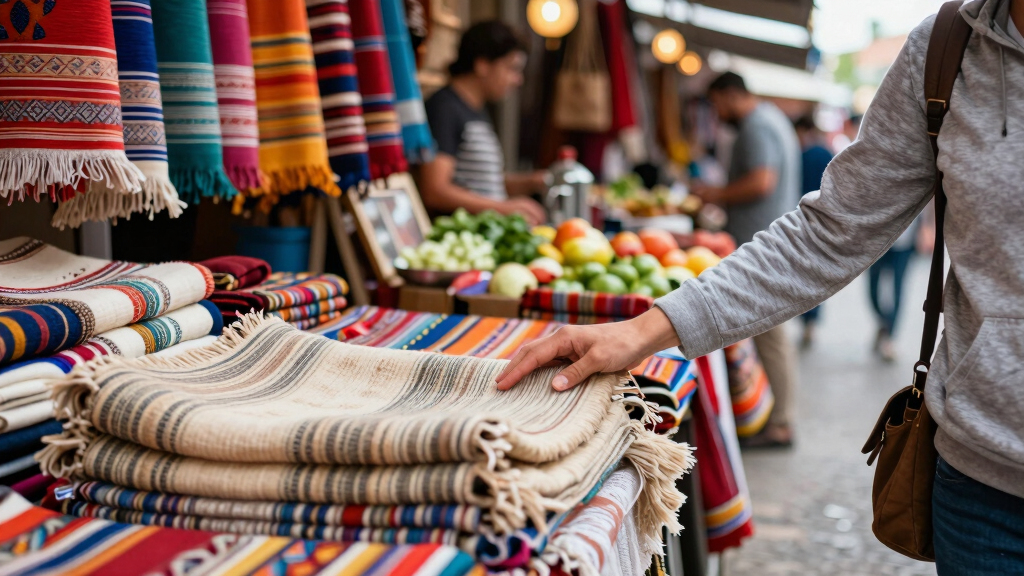
Street culture marketplaces are experiencing significant growth in major cities, becoming vibrant hubs for local artisans, food vendors, and performers. This development is reshaping urban social scenes and local economies, though some questions about regulation remain.
Street culture marketplaces in major cities are rapidly expanding, becoming key hubs for local artisans, food vendors, and performers. This growth is attracting more visitors and vendors, significantly influencing urban social life and local economies, according to recent observations.
Recent reports indicate that bustling street marketplaces dedicated to local culture are proliferating across several urban centers, including New York, Los Angeles, and London. These markets often feature a diverse range of vendors selling handmade crafts, street food, and performing arts, creating vibrant community spaces. City officials and market organizers note that foot traffic has increased markedly, boosting local businesses and tourism. However, some officials express concerns over regulation, sanitation, and vendor licensing. Experts suggest that these marketplaces are part of a broader trend toward valuing local culture and community engagement in urban environments.Impacts on Urban Culture and Local Economies
These marketplaces are reshaping city life by fostering community interaction, supporting small businesses, and promoting cultural expression. They attract diverse audiences, including tourists and locals, contributing to economic growth and cultural vibrancy. However, their rapid expansion also raises questions about regulation, safety, and sustainability, making them a significant development for urban planners and policymakers.
Rise of Street Marketplaces Reflects Broader Urban Trends
Over the past decade, there has been a notable increase in street marketplaces that emphasize local culture and artisanal products. Cities worldwide have seen a surge in these spaces, often driven by community activism, local government support, and a desire to revitalize neighborhoods. Notable examples include the Smorgasburg markets in New York and Camden Market in London, both of which have expanded significantly in recent years. This trend aligns with broader movements toward sustainable, community-based urban development and the growing popularity of experiential shopping and entertainment.
“These markets are more than just shopping spaces; they’re community gatherings that celebrate our local culture and talent.”
— Jane Doe, Market Organizer
Regulatory and Sustainability Challenges Still Evolving
It remains unclear how city authorities will balance supporting these marketplaces with addressing concerns over regulation, safety, and environmental sustainability. While some cities are implementing new policies, details about long-term regulation and vendor licensing are still emerging, and debates continue over their impact on local residents and businesses.
Expected Policy Developments and Market Expansions in 2024
City officials are expected to introduce new regulations aimed at standardizing vendor licensing and safety protocols in the coming months. Additionally, several cities plan to support further expansion of these marketplaces through grants and promotional campaigns. Monitoring how these measures influence the growth and sustainability of street culture markets will be key in the coming year.
Key Questions
What types of vendors are typically found in these marketplaces?
Vendors usually include local artisans, street food vendors, performers, and small-scale producers offering handmade crafts, food, and entertainment.
Are these markets officially regulated by city authorities?
Regulation varies by city; some markets operate under formal licensing systems, while others are more informal. Authorities are currently working on standardizing policies.
How do these marketplaces impact local businesses?
They often boost foot traffic and sales for nearby businesses, while providing new opportunities for small vendors and entrepreneurs to reach audiences.
What are the main concerns related to these markets?
Concerns include regulation compliance, sanitation, safety, and potential disruption to local residents and existing businesses. Authorities are considering measures to address these issues.
Source: rss
Products Worth Considering
handmade artisan crafts marketplace
As an affiliate, we earn on qualifying purchases.
As an affiliate, we earn on qualifying purchases.
![10 Things To Do For This Saturday in L.A. [7-4-2026]](https://knowyourbest.com/wp-content/uploads/2026/07/10-things-to-do-for-this-saturday-in-l-a-7-4-2026-featured-560x300.jpg)