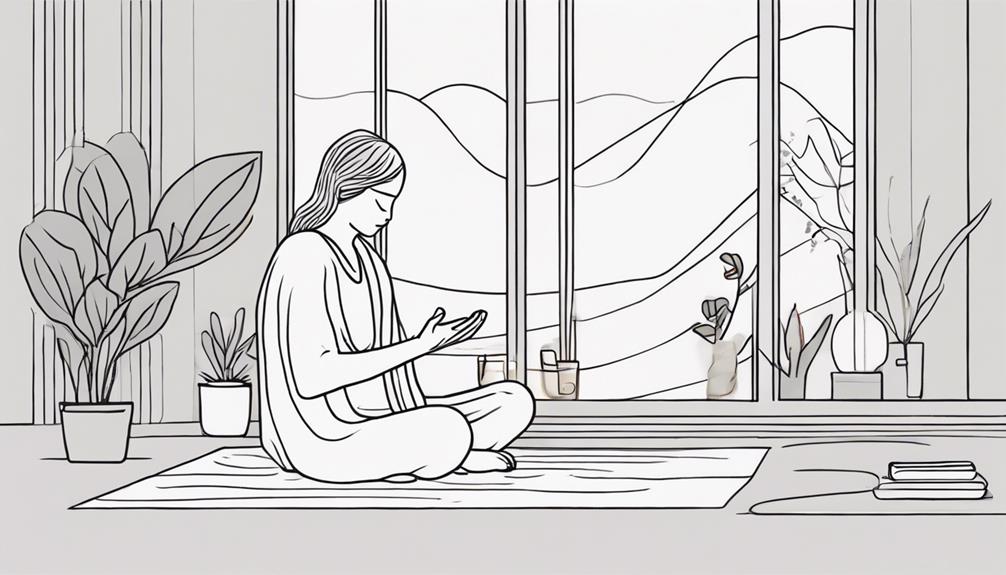

To become more resilient over time, focus on building emotional endurance and staying adaptable. Practice mindfulness to better understand your emotions and recognize triggers, which helps you regulate setbacks more effectively. Embrace change as an opportunity for growth and develop a growth mindset to view challenges as learning experiences. Keep practicing patience and persistence, knowing resilience is a dynamic process. If you continue exploring, you’ll discover even more ways to strengthen your resilience journey.
Key Takeaways
- Practice mindfulness and reflection to improve emotional regulation and awareness of triggers.
- Embrace change and view failures as learning opportunities to foster adaptability.
- Develop consistent habits of perseverance and patience through repeated challenges.
- Cultivate a positive mindset to transform setbacks into growth moments.
- Build behavioral flexibility to adjust strategies effectively during unpredictable circumstances.

Have you ever wondered how resilience evolves as time passes? It’s a fascinating process that involves more than just bouncing back from setbacks; it’s about growth, learning, and strengthening your emotional endurance. The more you face challenges head-on, the better you get at managing stress and maintaining a stable mindset. Building resilience isn’t an overnight effort—it’s a gradual journey that requires consistent practice and self-awareness. As you encounter difficulties, you develop adaptability skills that help you adjust your approach and stay focused on your goals. Over time, these skills become second nature, allowing you to handle future obstacles with greater ease.
Resilience grows through growth, learning, and emotional endurance—strengthening your ability to face challenges with confidence over time.
Your emotional endurance plays an essential role in this evolution. When you learn to regulate your emotions during tough times, you prevent feelings of overwhelm from taking over. This often means recognizing your emotional triggers and developing strategies to cope without losing your composure. The more you do this, the stronger your emotional resilience becomes. You start to see setbacks not as insurmountable failures but as opportunities to grow and learn. This mindset shift is vital because it encourages a positive outlook, which fuels your resilience over the long run. Recognizing the importance of emotional regulation can significantly impact your ability to maintain resilience in challenging situations. Additionally, understanding the dynamic nature of resilience can motivate you to stay committed to your growth journey. Moreover, exploring behavioral flexibility can help you adapt more effectively to changing circumstances. Embracing a growth mindset further enhances your capacity to learn from adversity and build resilience over time.
To become more resilient, you need to actively foster adaptability skills. This involves staying flexible when plans don’t go as expected and being willing to adjust your approach. Instead of resisting change, embrace it as part of your growth process. For example, if a project at work doesn’t turn out as planned, analyze what went wrong and use that insight to improve your future efforts. Developing this mindset helps you remain resourceful and open to new solutions, which are key components of resilience. Additionally, practicing mindfulness and reflection allows you to understand your reactions better and identify areas for improvement in your emotional endurance. Recognizing that resilience is a dynamic process can motivate you to continually seek growth and self-improvement over time. Cultivating patience and persistence is also crucial, as resilience often develops through sustained effort and perseverance.
As you continue to build resilience over time, you’ll notice a shift in how you respond to adversity. Challenges become less intimidating because you’ve strengthened your emotional endurance and sharpened your adaptability skills. You’ll find yourself bouncing back faster from setbacks and approaching problems with a clearer, calmer mind. Remember, resilience isn’t static; it evolves through your efforts and experiences. The more you invest in understanding your emotions and cultivating flexibility, the more resilient you become. Over time, resilience becomes a part of who you are—an inner strength that guides you through life’s unpredictable twists and turns.
Frequently Asked Questions
Can Resilience Be Inherited Genetically?
Resilience isn’t solely inherited through genetic traits, but your genetics can influence how you respond to stress. Inherited resilience might give you a slight advantage, yet it’s largely shaped by experiences and environment. You can strengthen resilience over time by developing coping skills, maintaining a positive outlook, and practicing self-care. So, while genetics play a role, your effort and mindset are key factors in building resilience.
How Does Age Affect Resilience Development?
Think of resilience as a muscle that grows stronger with use. As you age, your emotional adaptability improves, making it easier to bounce back from setbacks. Social support becomes more essential, acting like a sturdy safety net. While young people may build resilience through experiences, older individuals often develop deeper emotional skills, enhancing overall resilience. So, age influences resilience, but consistent effort and support are keys to strengthening it over time.
Is Resilience Equally Important in All Life Areas?
Resilience is vital across all life areas because it helps you adapt to challenges and bounce back stronger. Your emotional intelligence allows you to understand and manage your feelings, while social support provides encouragement and perspective. By strengthening these areas, you can navigate setbacks more effectively, whether in relationships, career, or personal growth. Resilience isn’t just for tough times—it’s indispensable for thriving in every aspect of life.
Can Resilience Decline After Achieving It?
Resilience is like a muscle—you can strengthen it, but if you don’t keep working at it, it may weaken. Yes, resilience can decline even after achieving it, especially if you neglect emotional flexibility and social support networks. Life’s challenges can chip away at your strength, but maintaining open-mindedness and nurturing your support system help you bounce back faster. Stay proactive to keep your resilience sturdy and ready for whatever comes next.
What Role Does Personality Play in Resilience?
Your personality traits considerably influence your resilience and emotional strength. Traits like optimism, adaptability, and perseverance help you bounce back from setbacks faster. If you’re naturally extroverted or open to experience, you’re more likely to handle stress effectively. While personality shapes resilience, you can also develop emotional strength through practice. Recognizing your traits allows you to leverage your strengths and work on areas that need growth, boosting your overall resilience.
Conclusion
Remember, resilience isn’t built overnight. Keep practicing your coping skills, stay adaptable, and learn from each setback. Over time, you’ll find yourself bouncing back stronger than ever. As the saying goes, “What doesn’t kill you makes you stronger.” Embrace challenges as opportunities to grow, and you’ll gradually develop the resilience to face whatever comes your way. Stay patient and persistent—you’re on a path to becoming more resilient every day.
Products Worth Considering
mindfulness meditation for resilience
As an affiliate, we earn on qualifying purchases.
As an affiliate, we earn on qualifying purchases.