

To practice gratitude with more awareness, start by dedicating a few moments daily for mindful reflection or journaling. Focus on specific moments or people you’re thankful for, paying close attention to how they make you feel. Incorporate mindfulness or meditation to settle your mind and vividly imagine gratitude-filled experiences. Throughout the day, remain aware of kindness and abundance around you, letting perception shape your appreciation. Keep exploring these practices to deepen your connection to genuine gratitude.
Key Takeaways
- Dedicate daily time for mindful reflection, focusing on specific moments or things you’re grateful for.
- Incorporate gratitude meditation to vividly experience and deepen appreciation for blessings.
- Use mindful journaling to intentionally notice and articulate genuine feelings of thankfulness.
- Practice ongoing mindfulness throughout the day to become more aware of spontaneous gratitude moments.
- Recognize how perception influences gratitude, cultivating awareness to see abundance in everyday life.
Practicing gratitude can substantially improve your overall well-being, but many people find it challenging to incorporate it into their daily routines. To cultivate a genuine sense of thankfulness with more awareness, you need to engage in intentional practices that deepen your connection to the present moment. Mindful journaling is a simple yet powerful tool that helps you reflect on what you’re grateful for with clarity and focus. Each day, set aside a few minutes to write down specific things you appreciate, whether it’s a kind gesture from a friend, a moment of peace during your commute, or your health. As you write, pay close attention to how these moments make you feel, allowing yourself to fully experience the gratitude rather than just listing items out of habit.
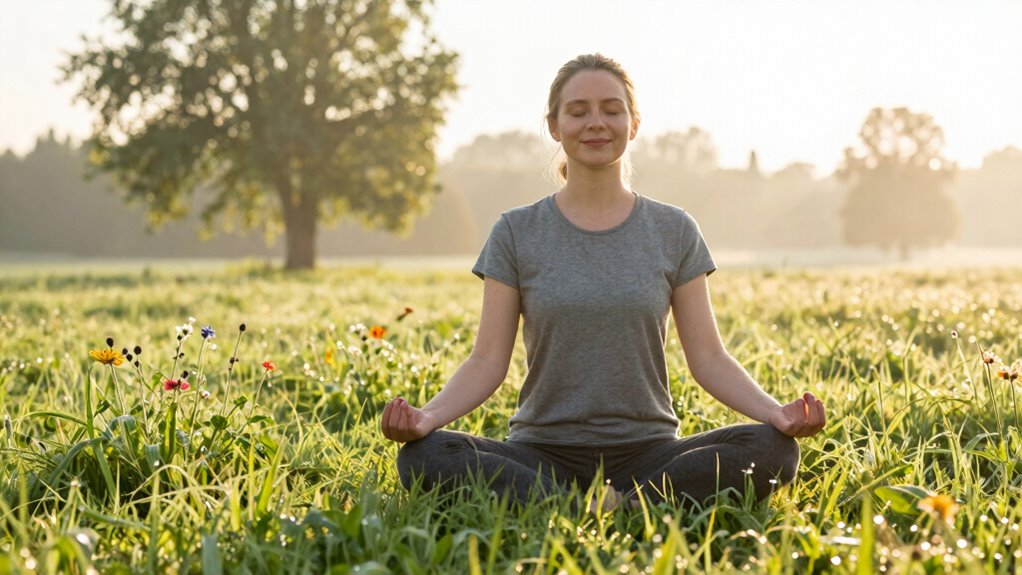
In addition to mindful journaling, gratitude meditation can notably enhance your awareness of the good in your life. During this practice, you sit quietly, close your eyes, and focus on your breath to settle your mind. Once centered, bring to mind someone or something you’re thankful for, and imagine it vividly. Feel the warmth or joy that arises as you acknowledge this gratitude. This meditation not only shifts your focus away from negativity but trains your mind to recognize blessings in everyday life. Over time, regular gratitude meditation helps you develop a more sustained awareness of your blessings, making gratitude a natural part of your thought process. Incorporating mindfulness practices can further strengthen your ability to notice and appreciate everyday moments of kindness and abundance. Developing mindfulness is essential for cultivating a deeper sense of appreciation in daily life. Additionally, understanding the role of consciousness in perception can help you become more aware of how your awareness influences your experience of gratitude.
To practice gratitude with more awareness, try combining these methods. Start your day with a short session of gratitude meditation, envisioning the people or moments you’re thankful for. Follow this with mindful journaling, writing down specific instances that resonated with you or sparked feelings of appreciation. Throughout the day, remain mindful of your experiences, checking in with yourself to notice moments that evoke gratitude. This ongoing awareness can help you cultivate a more consistent, genuine sense of thankfulness, shifting your perspective from what’s lacking to what’s abundant in your life. Recognizing the impact of perception on your emotional state can make your gratitude practice even more effective. When you understand how perception shapes experience, you can more intentionally cultivate gratitude that truly resonates with your inner sense of well-being.
Frequently Asked Questions
Can Gratitude Improve Mental Health Long-Term?
Yes, gratitude can improve your long-term mental health. When you practice mindfulness meditation and incorporate journaling techniques, you become more aware of positive aspects in your life. These habits help reduce stress and foster resilience. Over time, consistently expressing gratitude rewires your brain to focus on the good, boosting your overall well-being and emotional stability. This ongoing practice creates a healthier mindset and supports your mental health journey.
How Do I Stay Consistent With Gratitude Practices?
Did you know that practicing gratitude daily can boost happiness by 25%? To stay consistent, set a specific time each day for mindful journaling or daily affirmations. Keep your gratitude simple and genuine, and consider tracking your progress to stay motivated. Incorporate these habits into your routine so they become natural parts of your day, helping you maintain a steady, meaningful gratitude practice over time.
Is Gratitude Effective During Difficult Times?
Yes, gratitude can be effective during difficult times because it strengthens your emotional resilience. When you practice daily reflection, focusing on what you’re thankful for, you shift your perspective and find moments of hope even in hardship. This habit helps you stay grounded, reduces stress, and fosters a positive outlook, making it easier to navigate challenges with a resilient mindset. Keep practicing consistently for lasting benefits.
Can Gratitude Enhance Relationships?
Gratitude can totally transform your relationships, creating a powerful emotional connection that feels stronger than steel. When you openly appreciate others, you foster trust building and deepen bonds. Expressing genuine gratitude makes people feel valued and understood, which encourages openness and vulnerability. By regularly practicing gratitude, you nurture a positive atmosphere where trust flourishes, making your relationships more resilient and fulfilling than you ever imagined.
What Are Common Mistakes in Practicing Gratitude?
One common mistake is engaging in superficial appreciation, where your gratitude feels shallow or insincere. You might also fall into forced positivity, trying to feel grateful even when it’s not genuine. This can lead to frustration or dismissing real feelings. Instead, focus on authentic gratitude, acknowledging your true emotions without pressure. Being honest and present helps you practice gratitude more meaningfully and build a deeper appreciation for life.
Conclusion
Practicing gratitude with awareness transforms everyday moments into opportunities for connection and appreciation. When you actively notice what you’re thankful for, you cultivate a mindset of abundance rather than scarcity. So, why not start today—can you truly afford to overlook the simple blessings around you? Embrace gratitude intentionally, and watch how it enriches your life, fostering deeper joy and meaningful relationships. After all, isn’t life too precious not to appreciate fully?