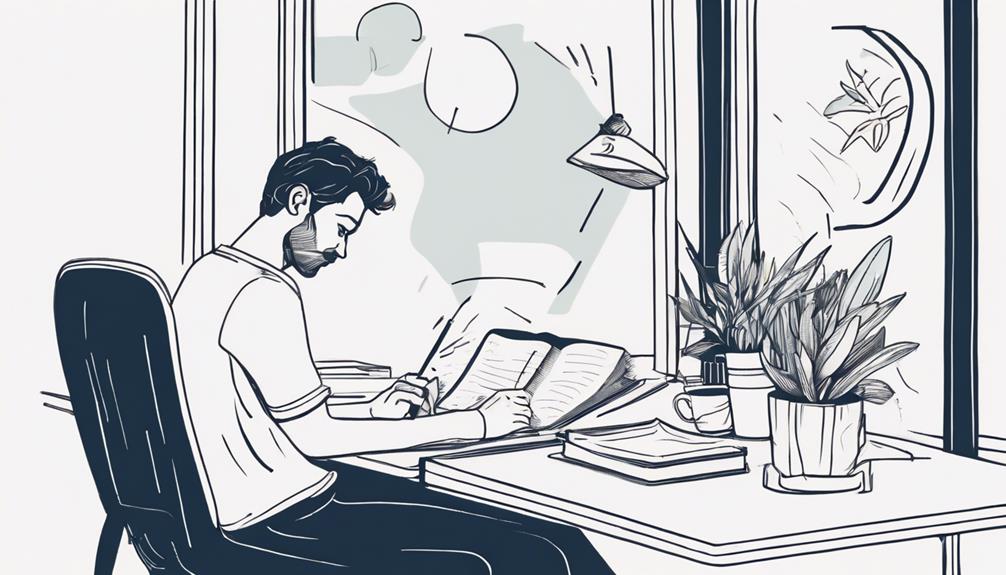
TL;DR

Get the little things that make your day delivered free with Prime
- Fast, free delivery on millions of items
- Prime Video, Amazon Music and more included
- Member-only deals all year
The source is a motivational advice essay, not a report of a newly verified event. It tells a fictional story about a woman who rediscovers her backpack after a guru takes it, then draws 10 reminders about support, patience, gratitude and taking small steps.
A motivational essay titled around 10 wake-up calls for hard days uses a parable about a woman who loses and then finds her backpack to argue that people can draw on internal resilience and outside support when motivation fades. The piece offers advice rather than reporting a newly verified event, and its central story is presented as an illustrative tale, not documented fact.
In the story, a woman sets out to travel at age 65 after spending much of her life in one town and wishing she had seen more of the world. The first days feel exciting, but sore legs and the loss of familiar comforts leave her discouraged. She stops on the road, cries, and says she has nothing. A guru then takes her backpack into nearby woods and secretly leaves it farther along the road. When she finds it, she feels relieved and grateful.
The essay uses the backpack as a metaphor for resources people may overlook during difficult periods. It names messages from people they respect, books, neighbors and communities as possible external sources of encouragement, alongside personal hope and the ability to keep going. The story’s key point is that losing sight of available support can make hardship feel more absolute than it is.
Its 10 reminders include accepting present circumstances, beginning where one is, taking one step at a time, looking for lessons in setbacks, and avoiding comparisons with other people’s progress. The essay also encourages readers to stay open to plans changing and to recognize what they already have. It closes by inviting readers to share what motivates them and subscribe to a newsletter; the source provides no publication date or independent reporting to verify the tale.
A field guide for difficult days
10 Wake-Up Calls To Help You Find Motivation On Hard Days
When motivation fades, the essay’s central reminder is simple: notice the support you still have, accept where you are, and choose one manageable next step.
A story about feeling empty—and finding support
The backpack is a symbol in an advice essay, not evidence of a verified encounter. Its purpose is to make an emotional point about resources that can disappear from view.
A journey gets harder
At 65, a woman sets out to travel after spending much of her life in one town. Early excitement gives way to sore legs, unfamiliar discomfort, and discouragement.
The bag comes back into view
A guru takes her backpack and secretly leaves it farther along the road. When she finds it, relief and gratitude return. The tale frames the discovery as a reminder to look for available help.
Ten reminders for the next hard day
Small prompts from the essay, gathered around patience, perspective, gratitude, and action.
Accept the present moment
Start by seeing your circumstances clearly.
Begin where you are
Use the resources and energy you have today.
Take one step at a time
Choose a manageable action instead of solving everything at once.
Look for lessons in setbacks
Reflect on what a difficult stretch may be teaching you.
Stop measuring your path against others
People move at different speeds and toward different goals.
Stay open to a changed plan
A new direction does not automatically mean you have failed.
Notice what you already have
Let gratitude bring existing supports and comforts back into view.
Reach for trusted encouragement
Consider a message, book, neighbor, or community that has helped before.
Give progress time
Patience can make room for change that is not immediate.
Keep going in small ways
When you can, make the next useful move—then reassess.
Where the “backpack” might be
Support can be personal or shared. The essay encourages readers to look around for reminders and connection when discouragement narrows their view.
Trusted voices
Reach out to someone you respect, a neighbor, or a supportive community.
Words that steady you
Return to a book, a useful message, or a reminder that has helped before.
Hope and persistence
Notice the capacity to pause, ask for help, and attempt one next step.
Encouragement, not a verified report
The material presents a motivational essay and an illustrative tale. It does not establish that the woman and guru existed or that the backpack incident happened.
Questions readers may ask
What the supplied material says—and what it leaves unconfirmed.
Is the backpack story verified?
No. The source gives no identifying details or evidence; it presents the encounter as an illustrative story.
What are the core suggestions?
Take a small step, recognize available support, be patient with progress, and practice gratitude.
Does the essay cite research?
No. The recommendations are motivational advice, not reported research findings.
What does it invite readers to do?
Reflect on a source of motivation or gratitude, share it in a comment, and consider its free newsletter.
Small Steps and Available Support
The advice may resonate with readers who feel stalled because it shifts the focus from solving every problem at once to identifying a manageable next step. It also points toward practical forms of connection: contacting someone trusted, seeking a supportive community, or returning to a book or message that has helped before.
Those ideas are presented as reflections, not as clinical guidance or proof that a particular approach will work for everyone. The essay’s value is in offering a concise prompt to notice resources and support that can be easy to overlook when someone is discouraged. Its repeated emphasis on patience also avoids treating progress as a race or assuming that a changed destination is necessarily a failure.
The Parable Behind the Advice
The supplied material begins with a short story and then turns it into a list of lessons for personal and professional difficulties. It does not identify a documented woman, name a location, or provide evidence that the encounter occurred. The guru’s decision to take the backpack is part of the tale’s plot, not an independently confirmed action.
The essay also quotes a line attributed to Epicurus: “Do not spoil what you have by desiring what you have not; remember that what you now have was once among the things you only hoped for.” The source gives no citation or historical context for the wording, so the attribution cannot be checked from the material provided.
What the Source Does Not Verify
The source does not provide a date, author biography, or links to research supporting the advice. It also does not establish that the woman-and-guru encounter happened; the material presents it as a story to illustrate a point. The quotation attributed to Epicurus is not accompanied by a source, so its wording and attribution remain unverified here.
The essay offers general encouragement, not individualized mental-health advice. It does not address how readers facing persistent or severe distress might access professional help, and it makes no evidence-based claim that the 10 reminders will resolve such distress.
The Essay’s Invitation to Readers
The article asks readers to leave a comment naming a source of motivation or gratitude and invites them to sign up for a free newsletter. The source does not announce a further event, publication, or scheduled follow-up. Readers looking for support can take the essay’s suggestions as prompts—such as reaching out to someone trusted—rather than as a guaranteed solution.
Key Questions
Is the backpack story a verified account?
The supplied source does not identify the woman, guru, place or date, or provide evidence that the events occurred. It is presented as an illustrative story.
What are the essay’s main suggestions for hard days?
It recommends taking one small step at a time, recognizing available support, being patient with personal progress, and practicing gratitude for what is already present.
Does the article cite research showing these reminders work?
No research or expert evidence is cited in the supplied material. The recommendations are motivational advice, not reported findings.
What does the essay say readers can do next?
It invites readers to reflect on a source of motivation or gratitude and share it in a comment. It also promotes a free newsletter.
Source: rss
Products Worth Considering
motivational books for difficult times
As an affiliate, we earn on qualifying purchases.
As an affiliate, we earn on qualifying purchases.