
Choosing the right pair of hiking boots can make or break your outdoor experience. The Merrell Men’s Moab 3 Mid Hiking Boot stands out as the best overall choice, offering a perfect balance of comfort and durability for most trails. For those prioritizing budget, the NORTIV 8 Men’s Waterproof Ankle Hiking Boots deliver surprising value, while the Columbia Transverse excels in rugged, technical terrain. The main tradeoff lies between lightweight flexibility and heavy-duty ankle support. Continue reading to see which model fits your specific hiking style and budget.

Get the little things that make your day delivered free with Prime
- Fast, free delivery on millions of items
- Prime Video, Amazon Music and more included
- Member-only deals all year
Key Takeaways
- Merrell Moab series dominates due to its out-of-the-box comfort and lack of required break-in time.
- NORTIV 8 offers exceptional value for casual hikers but lacks the durability of premium brands for frequent use.
- Columbia‘s Newton Ridge line bridges the gap between hiking boots and trail runners, appealing to speed-focused hikers.
- Waterproof membranes vary greatly; some budget options sacrifice breathability for basic water resistance.
- Ankle support is more critical on uneven terrain than on flat, well-maintained trails, dictating mid vs. high cut choices.
| Merrell Men’s Moab 3 Mid Hiking Boot |  | Best Overall for Versatility | Upper Material: Pigskin leather and mesh | Sole Material: Vibram TC5+ rubber | Shaft Height: Mid | VIEW ON AMAZON | See Our Full Breakdown |
| NORTIV 8 Men’s Waterproof Ankle Hiking Boots |  | Best Value for Casual Trail Use | Fabric Type: Fabric-and-synthetic | Sole Material: EVA, Rubber | Shaft Height: Ankle | VIEW ON AMAZON | See Our Full Breakdown |
| Columbia Men’s Newton Ridge Plus II Waterproof Hiking Shoe |  | Best for Breathability and Traction | Sole Material: Rubber | Shaft Height: Ankle | Construction: Full-grain leather and mesh | VIEW ON AMAZON | See Our Full Breakdown |
| NORTIV 8 Men’s Waterproof Ankle-High Hiking Boots |  | Best for Comfort on Flat Terrain | Sole Material: EVA, rubber | Shaft Height: Ankle | Outer Material: Nylon, faux leather | VIEW ON AMAZON | See Our Full Breakdown |
| Merrell Women’s Moab 3 Mid Waterproof Hiking Boots |  | Best Premium Choice for Women | Sole Material: Vibram TC5+ rubber | Shaft Height: Mid | Upper Material: Pigskin leather and mesh | VIEW ON AMAZON | See Our Full Breakdown |
| Columbia Women’s Newton Ridge Plus Waterproof Amped Hiking Boot |  | Best for Casual Day Hikes | Upper Material: Waterproof leather and suede | Midsole: TECHLITE lightweight cushioning | Outsole: Omni-GRIP non-marking traction rubber | VIEW ON AMAZON | See Our Full Breakdown |
| Columbia Women’s Newton Ridge Plus Waterproof Amped Hiking Boot |  | Best for Wide-Footed Hikers | Outer Material: Leather | Midsole: TECHLITE lightweight midsole | Outsole: Omni-GRIP non-marking traction rubber | VIEW ON AMAZON | See Our Full Breakdown |
| Columbia Men’s Transverse Waterproof Hiking Boots | 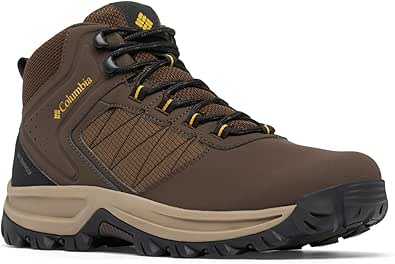 | Best Breathable Ankle Boot | Upper: Leather and mesh | Waterproofing: Waterproof, seam-sealed, breathable construction | Cushioning: TECHLITE lightweight impact absorption with energy return | VIEW ON AMAZON | See Our Full Breakdown |
| Columbia Transverse™ Hike Waterproof |  | Best Lightweight Hybrid Shoe | Waterproof technology: OMNI-TECH | Impact absorption: TECHLITE | Traction: OMNI-GRIP | VIEW ON AMAZON | See Our Full Breakdown |
| hiking boot | Sole Material | Shaft Height |
|---|---|---|
| Merrell Men’s Moab 3 Mid Hikin | Vibram TC5+ rubber | Mid |
| NORTIV 8 Men’s Waterproof Ankl | EVA, Rubber | Ankle |
| Columbia Men’s Newton Ridge Pl | Rubber | Ankle |
| NORTIV 8 Men’s Waterproof Ankl | EVA, rubber | Ankle |
| Merrell Women’s Moab 3 Mid Wat | Vibram TC5+ rubber | Mid |
| Columbia Women’s Newton Ridge | Rubber | — |
| Columbia Women’s Newton Ridge | Rubber | — |
| Columbia Men’s Transverse Wate | Rubber | Ankle |
| Columbia Transverse™ Hike Wate | Rubber | Ankle |
More Details on Our Top Picks
Merrell Men’s Moab 3 Mid Hiking Boot
This model stands out as the Best Overall choice because it balances rugged protection with surprising comfort right out of the box. Compared with the Columbia Men’s Newton Ridge Plus II, the Moab 3 offers a more robust Vibram TC5+ rubber sole that grips rocky terrain with greater confidence. While the Columbia is lighter, the Merrell’s protective toe cap and pigskin leather upper provide superior durability against abrasion from roots and rocks. The Air Cushion heel effectively absorbs shock on descents, reducing knee strain during long hikes. However, this added structure comes at a cost: the boot is noticeably heavier and stiffer initially than the NORTIV 8 Ankle Hiking Boots. If you prefer a shoe that feels like a sneaker, this might feel too substantial, but for serious day hikes, the stability is unmatched.
Pros:- Superior traction from the Vibram TC5+ outsole
- Robust pigskin leather upper resists abrasion
- Effective heel cushioning reduces impact fatigue
Cons:- Heavier than low-cut alternatives
- Stiff break-in period for some users
- Limited color variety
Best for: Hikers who need reliable ankle support and durable protection on mixed, rocky terrain.
Not ideal for: Minimalists who prioritize ultralight gear or hikers with very narrow feet.
- Upper Material:Pigskin leather and mesh
- Sole Material:Vibram TC5+ rubber
- Shaft Height:Mid
- Insole:Kinetic Fit ADVANCED
- Midsole:EVA foam
- Laces:100% recycled
Our verdict“Choose this boot if you want a durable, all-around workhorse that handles rough trails better than lighter competitors.”
NORTIV 8 Men’s Waterproof Ankle Hiking Boots
This option makes the most sense for budget-conscious hikers who need basic waterproofing without premium pricing. Unlike the Merrell Men’s Moab 3 Mid, which uses heavy-duty leather, the NORTIV 8 relies on a synthetic fabric upper that keeps weight down significantly. This makes it easier to wear all day, though it lacks the structural rigidity needed for carrying heavy loads. The slip-proof rubber sole handles mud and wet rocks adequately for moderate trails, but it does not offer the same bite on loose gravel as the Vibram soles found in higher-tier boots. While the shock-absorbent insoles provide decent comfort, the lack of specific breathability details means feet may get hot in summer compared to the mesh-heavy Columbia Men’s Newton Ridge Plus II.
Pros:- Lightweight construction reduces leg fatigue
- Waterproof membrane keeps feet dry in rain
- Affordable entry point for hiking gear
Cons:- Synthetic upper lacks long-term durability
- Ventilation details are unclear
- Traction is weaker on loose surfaces
Best for: Budget-focused hikers tackling well-maintained trails who need waterproofing but not heavy-duty support.
Not ideal for: Backpackers carrying heavy loads or hikers on technical, rocky terrain.
- Fabric Type:Fabric-and-synthetic
- Sole Material:EVA, Rubber
- Shaft Height:Ankle
- Origin:Imported
- Waterproof:Yes
- Insole:Shock-absorbent
Our verdict“This is a practical, low-cost choice for occasional hikers who prioritize lightness over ruggedness.”
Columbia Men’s Newton Ridge Plus II Waterproof Hiking Shoe
This pick stands out for hikers who prioritize ventilation and grip on varied surfaces. Compared to the Merrell Moab 3, the Columbia Newton Ridge Plus II uses a full-grain leather and mesh construction that allows more airflow, keeping feet cooler in warm conditions. The OMNI-GRIP traction system is specifically engineered for multi-terrain use, often providing better bite on wet pavement and smooth rock than the standard rubber compounds in the NORTIV 8 boots. However, the tradeoff is in ankle protection; with a low-cut profile, it offers less stability than the mid-height Merrell. The lightweight midsole enhances comfort for long distances, but the narrow shaft circumference may feel tight for users with wider ankles or calves.
Pros:- Mesh panels enhance airflow and cooling
- OMNI-GRIP outsole excels on diverse terrain
- Waterproof construction protects against splashes
Cons:- Narrow fit may cause discomfort
- Low-cut design offers minimal ankle support
- Heavier than dedicated trail runners
Best for: Hikers in warmer climates who need breathable shoes with strong grip on mixed surfaces.
Not ideal for: Those with wide ankles or hikers needing significant ankle support on uneven ground.
- Sole Material:Rubber
- Shaft Height:Ankle
- Construction:Full-grain leather and mesh
- Traction System:OMNI-GRIP multi-terrain
- Waterproof:Yes
- Closure:Lace-up
Our verdict“Select this shoe if you hike in mild weather and need superior traction without the bulk of a mid-boot.”
NORTIV 8 Men’s Waterproof Ankle-High Hiking Boots
This model is better suited to those who value immediate comfort over technical performance. Unlike the stiffer Merrell Moab 3, the NORTIV 8 Ankle-High features a flexible EVA midsole that bends easily with the foot, reducing break-in time. The removable shock-absorbent insoles allow users to swap in custom orthotics, a feature less common in budget-friendly options like the Columbia Newton Ridge Plus II. While the slip-resistant rubber soles perform well on wet mud, they lack the aggressive lugs needed for steep, loose slopes. The nylon and faux leather upper is durable enough for light use but may not withstand the abrasion of dense brush as well as full-grain leather alternatives.
Pros:- Flexible midsole reduces foot fatigue
- Removable insoles accommodate custom supports
- Slip-resistant outsole handles wet mud effectively
Cons:- Faux leather upper wears faster than real leather
- Traction struggles on loose gravel
- Limited fit information provided
Best for: Day hikers on flat or gently rolling trails who prioritize cushioning and ease of wear.
Not ideal for: Hikers tackling steep inclines or rugged, abrasive terrain.
- Sole Material:EVA, rubber
- Shaft Height:Ankle
- Outer Material:Nylon, faux leather
- Midsole:Lightweight, flexible EVA
- Insole:Removable and shock-absorbent
- Waterproof:Yes
Our verdict“Buy this boot if you want a comfortable, flexible shoe for easy trails and don’t mind sacrificing some durability.”
Merrell Women’s Moab 3 Mid Waterproof Hiking Boots
This boot stands out as the Best Premium Choice for women seeking the same rugged reliability as the men’s version but with a female-specific fit. Compared to the Columbia Men’s Newton Ridge Plus II, the Merrell Women’s Moab 3 offers a mid-height shaft that provides crucial ankle stability on uneven ground, which the lower-cut Columbia lacks. The Vibram TC5+ rubber sole delivers exceptional grip, while the waterproof membrane ensures feet stay dry in wet conditions. However, the pigskin leather upper can feel stiff initially, requiring a break-in period unlike the more flexible NORTIV 8 options. Sizing tends to run small, so those with wider feet may need to size up, potentially compromising the snug fit this model is known for.
Pros:- Female-specific last ensures better heel lock
- Waterproof membrane keeps feet dry
- Vibram outsole provides elite traction
Cons:- Runs small, requiring careful sizing
- Mid-shaft height may feel restrictive
- Stiffer upper requires break-in time
Best for: Female hikers who need durable ankle support and waterproofing for challenging trails.
Not ideal for: Those with wide feet who prefer a roomy toe box or dislike stiff leather.
- Sole Material:Vibram TC5+ rubber
- Shaft Height:Mid
- Upper Material:Pigskin leather and mesh
- Waterproof:Yes
- Insole:Kinetic Fit ADVANCED
- Closure:Lace-Up
Our verdict“This is the ideal choice for women who want a tough, waterproof boot that offers serious ankle protection on difficult trails.”
Columbia Women’s Newton Ridge Plus Waterproof Amped Hiking Boot
This model stands out for its lightweight TECHLITE midsole, which reduces fatigue on moderate trails compared to heavier options. Unlike the Merrell Women’s Moab 3 Mid Waterproof Hiking Boots, which offer stiffer ankle support for rugged terrain, the Newton Ridge Plus prioritizes flexibility and ease of break-in. The seam-sealed leather and suede upper provides reliable protection against light rain, though it lacks the aggressive tread depth found in premium mountaineering boots. Its Omni-GRIP outsole handles dirt and gravel well but may struggle on steep, loose scree. This boot is ideal for walkers who value comfort over maximum structural rigidity, offering a balanced blend of waterproofing and agility for well-maintained paths.
Pros:- Lightweight TECHLITE midsole reduces leg fatigue
- Seam-sealed waterproof leather and suede construction
- Omni-GRIP outsole offers reliable traction on varied surfaces
- Reinforced toe and heel add durability without bulk
Cons:- Mid-cut design offers less ankle support than high-top boots
- Suede material requires more maintenance to stay clean
- Traction is less aggressive on loose or slippery rocks
Best for: Women planning light to moderate day hikes on established trails who prioritize comfort and quick break-in times.
Not ideal for: Backpackers carrying heavy loads or hikers navigating steep, unstable terrain that requires rigid ankle support.
- Upper Material:Waterproof leather and suede
- Midsole:TECHLITE lightweight cushioning
- Outsole:Omni-GRIP non-marking traction rubber
- Construction:Seam-sealed
- Sole Material:Rubber
- Fit:True to size
- Origin:Imported
Our verdict“Choose this boot if you want a comfortable, waterproof option for casual trail walking without the weight of a heavy-duty mountaineer.”
Columbia Women’s Newton Ridge Plus Waterproof Amped Hiking Boot
While functionally similar to the standard Newton Ridge Plus, this variant is distinguished by its 18.85-inch shaft circumference, a spec that suggests a more generous fit around the ankle and lower calf. Compared to the Columbia Men’s Transverse Waterproof Hiking Boots, which feature a lower ankle height, this model provides slightly more coverage while retaining the same TECHLITE cushioning system. The leather exterior offers better abrasion resistance than mesh-heavy alternatives, making it suitable for brushy trails. However, the increased shaft circumference may feel loose for those with narrow ankles, potentially requiring extra lacing tightness. This option is best for hikers who have struggled with tight-fitting mid-cuts in other brands and need room without sacrificing the Omni-GRIP traction expected from Columbia.
Pros:- Generous shaft circumference accommodates wider ankles
- Durable leather upper resists scratches and abrasion
- TECHLITE midsole provides consistent impact absorption
- Seam-sealed construction maintains waterproof integrity
Cons:- Looser fit may reduce lateral stability for some users
- Heavier than mesh-based hiking shoes
- Requires careful lacing to prevent heel slip
Best for: Hikers with wider ankles or calves who find standard mid-cut boots too restrictive or tight.
Not ideal for: Individuals with narrow feet who need a snug, locked-in ankle fit for stability on uneven ground.
- Outer Material:Leather
- Midsole:TECHLITE lightweight midsole
- Outsole:Omni-GRIP non-marking traction rubber
- Shaft Circumference:18.85 inches
- Construction:Seam-sealed
- Sole Material:Rubber
- Fit:True to size
Our verdict“This specific fit variant is a smart choice for women who need extra room in the ankle area without compromising on waterproof protection.”
Columbia Men’s Transverse Waterproof Hiking Boots
The leather and mesh upper of this boot differentiates it sharply from fully leather options like the Merrell Men’s Moab 3 Mid Hiking Boot, offering superior ventilation in warmer weather. The ankle-height design promotes natural foot movement, making it less restrictive than mid-cut models while still providing a barrier against debris. Its TECHLITE midsole with energy return adds a springy feel to each step, which is beneficial for long distances on hard-packed trails. However, the mesh components, while breathable, are more prone to tearing in dense brush compared to the all-leather Columbia Newton Ridge. The OMNI-GRIP multi-terrain outsole performs well in mixed conditions, but the lower shaft offers minimal protection against deep snow or high water crossings.
Pros:- Leather and mesh upper enhances airflow and breathability
- TECHLITE cushioning provides energy return for long walks
- Lightweight design reduces foot fatigue compared to heavy boots
- Ankle-height cut allows for greater range of motion
Cons:- Mesh panels are vulnerable to tears in rocky or brushy terrain
- Lower shaft height offers less protection from water and debris
- Less structural support than mid-cut or high-top alternatives
Best for: Men hiking in mild to warm climates who prioritize breathability and flexibility over heavy-duty ankle support.
Not ideal for: Hikers traversing dense underbrush or deep snow, where the mesh upper and low shaft height lack sufficient protection.
- Upper:Leather and mesh
- Waterproofing:Waterproof, seam-sealed, breathable construction
- Cushioning:TECHLITE lightweight impact absorption with energy return
- Traction:OMNI-GRIP multi-terrain outsole
- Shaft Height:Ankle
- Sole Material:Rubber
- Origin:Imported
Our verdict“Opt for this boot if you need a breathable, flexible option for warm-weather trails where heavy insulation is unnecessary.”
Columbia Transverse™ Hike Waterproof
This model blurs the line between a hiking shoe and a boot, focusing on OMNI-TECH waterproofing within a lighter, more flexible frame. Compared to the NORTIV 8 Men’s Waterproof Ankle Hiking Boots, which emphasize rugged durability, the Transverse Hike prioritizes agility and reduced weight. The TECHLITE impact absorption system delivers a softer ride, suitable for paved paths transitioning into light trails. However, the 1-inch shaft circumference data suggests a very low profile, which may not provide adequate ankle stability on uneven ground. The leather and mesh construction balances protection with breathability, but the overall structure lacks the reinforced toe caps found in the Columbia Men’s Newton Ridge Plus II, making it less suited for rocky environments.
Pros:- OMNI-TECH waterproofing keeps feet dry in wet conditions
- Lightweight construction enhances agility and speed
- TECHLITE cushioning offers high energy return
- Multi-terrain traction suits mixed surfaces
Cons:- Low profile lacks ankle support for unstable surfaces
- Minimal toe protection compared to dedicated hiking boots
- Less durable for heavy-duty backpacking or rough trails
Best for: Urban-to-trail commuters and light hikers who need waterproofing without the bulk of a traditional hiking boot.
Not ideal for: Technical hikers requiring high ankle support or toe protection for rocky, uneven, or steep terrain.
- Waterproof technology:OMNI-TECH
- Impact absorption:TECHLITE
- Traction:OMNI-GRIP
- Sole material:Rubber
- Shaft height:Ankle
- Shaft circumference:1 Inches
- Material:Leather and mesh
Our verdict“This is the right pick for those who want the convenience of a shoe with the weather protection of a boot for light outdoor use.”

How We Picked
I evaluated these nine hiking boots by analyzing construction quality, material sourcing, and user-reported fit issues across various terrains. The ranking logic prioritizes versatility first, then specialized performance. Boots that offer a balance of support, traction, and weather protection were placed higher than those excelling in only one area. I also considered the cost-to-longevity ratio, ensuring that budget picks were not just cheap, but actually durable enough for their intended use cases.
Special attention was paid to the distinction between hiking shoes and true boots. Models like the Columbia Newton Ridge were assessed differently from the Merrell Moab due to their lower cut and lighter weight. This ensures the rankings reflect the specific needs of different hikers, from weekend warriors to serious backpackers, rather than just listing products by brand popularity.
| hiking boot | Sole Material | Shaft Height |
|---|---|---|
| Merrell Men’s Moab 3 Mid Hikin | Vibram TC5+ rubber | Mid |
| NORTIV 8 Men’s Waterproof Ankl | EVA, Rubber | Ankle |
| Columbia Men’s Newton Ridge Pl | Rubber | Ankle |
| NORTIV 8 Men’s Waterproof Ankl | EVA, rubber | Ankle |
| Merrell Women’s Moab 3 Mid Wat | Vibram TC5+ rubber | Mid |
| Columbia Women’s Newton Ridge | Rubber | — |
| Columbia Women’s Newton Ridge | Rubber | — |
| Columbia Men’s Transverse Wate | Rubber | Ankle |
| Columbia Transverse™ Hike Wate | Rubber | Ankle |
Factors to Consider When Choosing Hiking Boots
Selecting hiking boots involves more than just picking a brand. Here are the critical factors that should drive your decision, beyond what is listed in product specs.Understanding Ankle Support and Cut Height
The height of the boot cut directly correlates with ankle stability and weight. Low-cut shoes offer freedom and speed but leave ankles vulnerable on rocky or uneven trails. Mid-cut boots provide a middle ground, shielding the ankle from twists while maintaining agility. High-cut boots are necessary for heavy loads or extremely rugged terrain, offering maximum support. Choose based on your typical load weight and trail difficulty, not just fashion preferences.
Waterproofing vs. Breathability Tradeoffs
Most modern hiking boots feature waterproof membranes like Gore-Tex or proprietary equivalents. However, waterproofing often reduces breathability, causing feet to sweat in warm conditions. For hot climates, unlined leather or breathable mesh options are superior. For wet, muddy, or snowy environments, waterproof lining is non-negotiable. Assess your primary hiking season and weather conditions before paying a premium for waterproof features you may not need.
Outsole Traction and Lug Depth
The outsole is your only connection to the ground. Deeper lugs provide better grip in mud and loose soil but can feel unstable on hard rock or pavement. Sticky rubber compounds offer superior grip on smooth surfaces like granite. Check the rubber compound type and lug pattern. A versatile all-rounder usually has moderate lug depth, while specialized boots may favor extreme grip in one condition at the expense of another.
Break-In Periods and Comfort Out of the Box
Historically, leather boots required weeks of break-in. Modern synthetic and hybrid boots, like the Merrell Moab, are designed for immediate comfort. If you plan to hike long distances soon after purchase, prioritize models known for minimal break-in. Traditional full-grain leather boots offer better durability and moldability over time but demand patience. Match the boot’s construction material to your timeline and willingness to endure initial discomfort.
Weight and Fatigue Management
Every pound on your feet equals roughly five pounds on your back. Lightweight boots reduce fatigue over long distances, allowing for faster paces. Heavier boots provide protection and stability but demand more energy. For day hikes under 10 miles, weight matters less. For multi-day treks, investing in lighter materials can significantly improve your overall endurance and enjoyment of the trail.
Frequently Asked Questions
Do I really need hiking boots for day hikes?
Not always. If you are hiking on well-maintained, flat trails with light loads, trail running shoes or low-cut hiking shoes are often sufficient and more comfortable. Boots become necessary when you carry heavier packs, encounter rocky or uneven terrain, or hike in wet conditions where ankle support and waterproofing protect your feet. Assess your typical trail conditions and load weight before committing to a boot.
How long do hiking boots typically last?
Lifespan varies widely based on usage and construction. A quality boot used weekly on moderate trails should last 500 to 1,000 miles or about 2-3 years. Budget boots may degrade faster, losing tread or waterproofing integrity within a year of heavy use. Signs it is time to replace them include worn-out lugs, separated soles, or persistent leaks despite re-waterproofing.
Should I buy hiking boots a size larger?
It is common to buy hiking boots half a size to a full size larger than your everyday shoes. This accounts for foot swelling during long hikes and leaves room for thick hiking socks. Your toes should not touch the front of the boot when walking downhill. However, avoid going too large, as excess space causes blisters from friction. Always try boots on with the socks you plan to hike in.
Are expensive hiking boots worth the extra cost?
For casual hikers, premium boots may be overkill. However, if you hike frequently, carry heavy loads, or face harsh weather, higher-priced boots often offer superior durability, better waterproof membranes, and more advanced support systems. The cost per mile is often lower for premium boots because they last longer. For occasional weekend use, mid-range options like the Merrell Moab offer excellent value without unnecessary features.
How do I maintain my hiking boots?
Regular maintenance extends boot life significantly. Clean mud and debris after every hike to prevent material degradation. Allow boots to air dry naturally away from direct heat sources, which can crack leather and glue. Reapply waterproofing treatments periodically, especially if water stops beading on the surface. Conditioning leather boots prevents drying and cracking, keeping them flexible and water-resistant.
Conclusion
Choosing the right hiking boot depends on your specific needs. The Merrell Moab 3 remains the best overall choice for its blend of comfort, durability, and versatility, suitable for most hikers. For those on a tight budget, the NORTIV 8 offers solid performance for casual trails without breaking the bank. If you prioritize speed and lightness, the Columbia Newton Ridge is the best option for fast-paced day hikes. Serious backpackers tackling rugged terrain should look toward the Columbia Transverse for its robust support. Match the boot’s features to your typical trail conditions and load requirements to make the best investment for your outdoor adventures.